

The shipping industry has been grappling with the consequences of rising oil prices, which have led to an increase in the number of aging vessels continuing to trade. This trend is largely driven by the fact that higher oil costs make it more economical for ship owners to keep their vessels afloat rather than scrapping them. As a result, the demand for ship recycling services has decreased, leading to a surplus of available tonnage.
The situation is further complicated by the volatile U.S. dollar, which has been sending mixed signals in terms of its impact on the market. While it has strengthened against certain currencies, such as the Turkish lira, it has eased against others, like the Indian rupee. This volatility is making it difficult for buyers and sellers to anchor positions and has contributed to a lack of progress in clearing the tonnage backlog that has built up over the course of Q1.
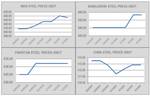
In terms of specific market developments, Bangladesh remains the standout positive in the region, with Chattogram recyclers actively seeking tonnage and maintaining the most engaged sentiment across the sub-continent. India and Pakistan, on the other hand, continue to operate cautiously, constrained by limited supply and ongoing uncertainty in steel fundamentals that continues to weigh on bidding confidence.
The question on everyone's mind is when will tonnage begin to arrive in sufficient volume to meet the growing appetite from recyclers, particularly in Bangladesh? This is a pressing concern for the industry, as it has significant implications for the overall market dynamics and pricing structure.
The lack of progress in clearing the tonnage backlog is having a ripple effect throughout the market. With buyers struggling to secure positions and sellers facing reduced demand, the situation is ripe for further price volatility. As such, it will be essential for industry stakeholders to work together to identify solutions and find ways to stabilize the market.
The global economic landscape is inherently complex and subject to numerous variables. However, one thing is clear: the ship recycling market is not immune to these trends and must adapt in order to navigate the challenges ahead.
In recent weeks, we have seen a number of developments that suggest the industry is on the cusp of a significant shift. As such, it will be crucial for players to remain vigilant and prepared to respond to changing market conditions.
Ultimately, the ship recycling market's future trajectory will depend on a range of factors, including global economic trends, technological advancements, and regulatory developments. By staying informed and engaged, industry stakeholders can position themselves for success in this complex and dynamic environment.
As we move forward into Q2, it is essential that the industry prioritizes finding solutions to the current challenges. This will require a concerted effort from all stakeholders, including buyers, sellers, and regulators. By working together, we can create a more stable and sustainable market for everyone involved.
The global ship recycling market is facing a challenging environment, with geopolitical risks and supply-demand fundamentals playing a significant role in shaping prices.