
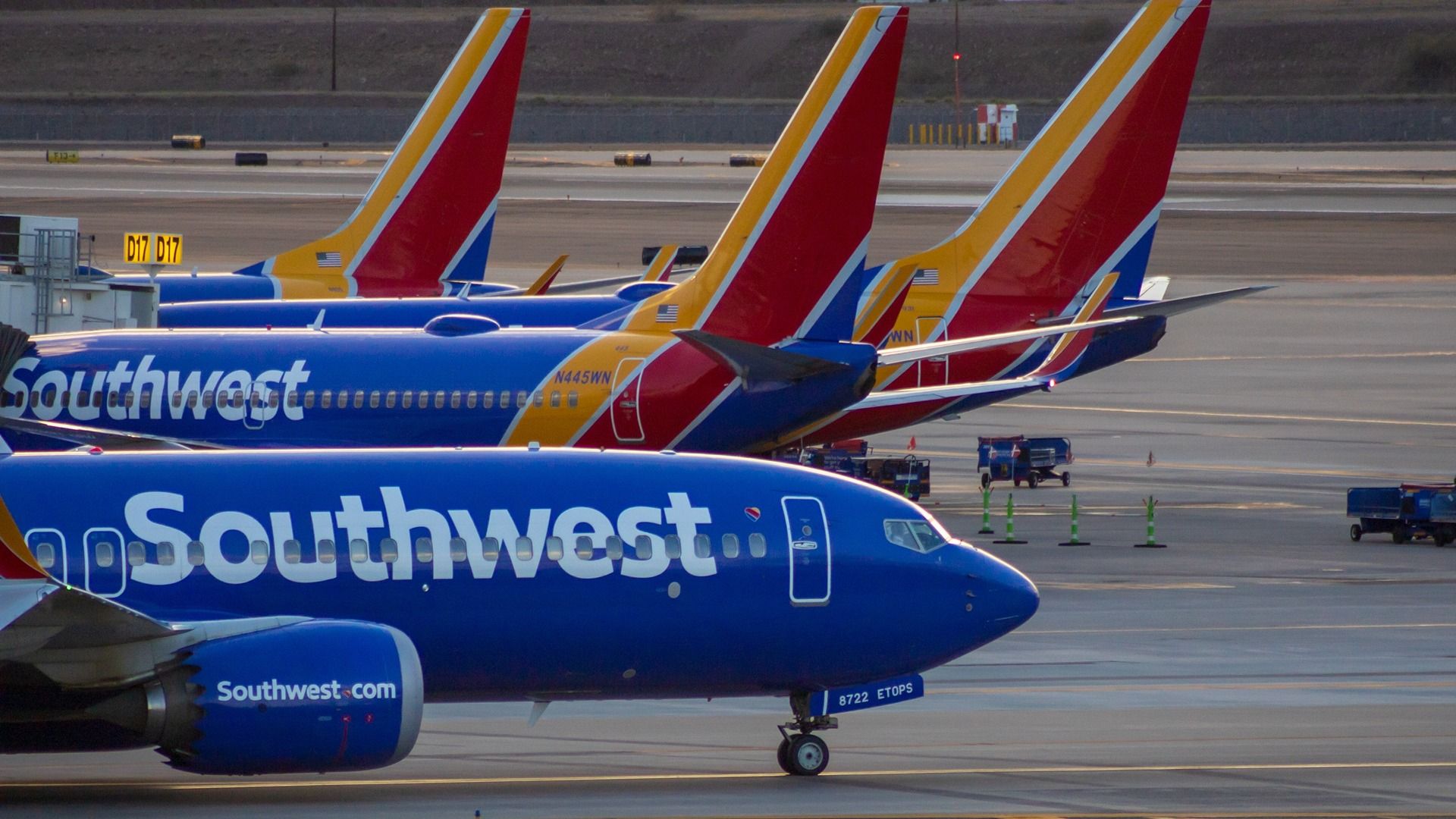
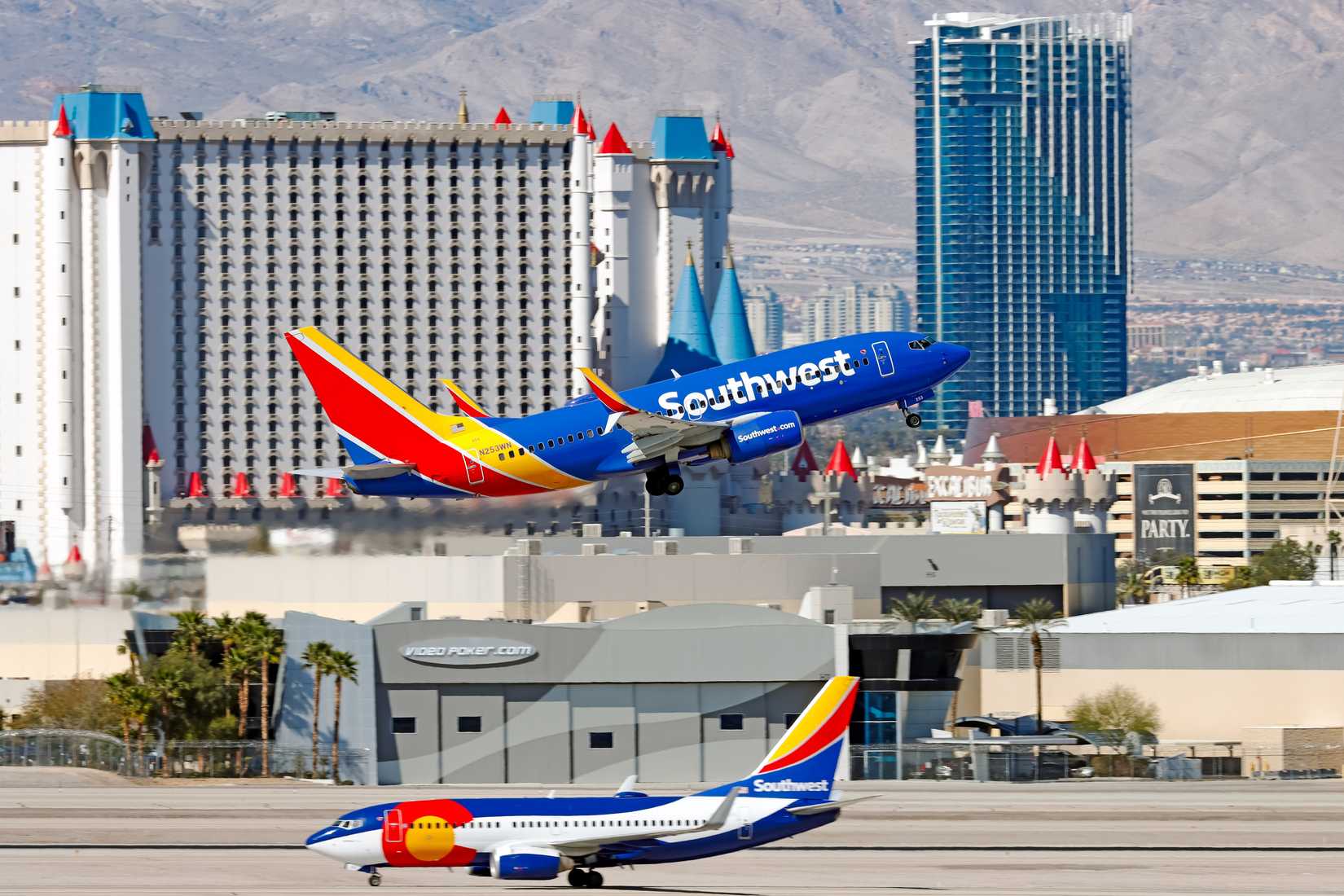
The Federal Aviation Administration (FAA) has issued a potential $304,272 civil penalty to Southwest Airlines over alleged failures in mandated drug and alcohol testing procedures. The issue centers on testing lapses involving 11 employees, including pilots, flight attendants, and mechanics responsible for safety-sensitive maintenance work in the United States. These violations reportedly span several years, from 2021 to 2024, raising serious concerns about oversight and operational safety at one of the country's largest carriers.
The investigation into Southwest Airlines' alleged failures stems from FAA audits that identified inconsistencies in how the airline administered required testing programs. These procedures are designed to ensure aviation personnel in safety-critical roles are fit for duty at all times, highlighting the importance of strict compliance with federal regulations.
The FAA alleges that Southwest failed to properly carry out drug and alcohol testing protocols for some of its employees, including those who continued to perform safety-sensitive duties without completing required follow-up testing after prior violations. This includes testing positive for alcohol and hard drugs such as cocaine and amphetamines.
In the event of missed or improperly documented tests, penalties can escalate rapidly, emphasizing the need for strict compliance with regulatory requirements. The FAA maintains that even minor lapses in safety protocols can undermine systems designed to protect passengers and crew.
Southwest has 30 days to respond to and review the FAA's findings and may challenge parts of the proposed penalty of about $304k. Regardless of the outcome, the situation is likely to prompt internal reviews and stronger compliance controls within the airline.
FAA fines often signal systemic issues rather than isolated incidents, underscoring the importance of administrative accountability in safety programs. This case highlights how failures in regulatory compliance can have severe financial and reputational consequences for airlines.
Drug and alcohol testing programs in aviation are governed by strict Department of Transportation regulations, including random testing, post-incident checks, and structured follow-up programs for employees who previously violated substance policies. Airlines must ensure compliance with these regulations, even when using external contractors.
While outsourcing is common for tasks such as drug and alcohol testing, it introduces additional layers of risk regarding regulatory compliance. The FAA has repeatedly emphasized that responsibility cannot be delegated, regardless of who performs the work.
The case also reflects broader concerns about the need for robust oversight and accountability in ensuring the safety of air travel. As the aviation industry continues to evolve, it is essential that airlines prioritize compliance with regulatory requirements and maintain a strong focus on operational safety.