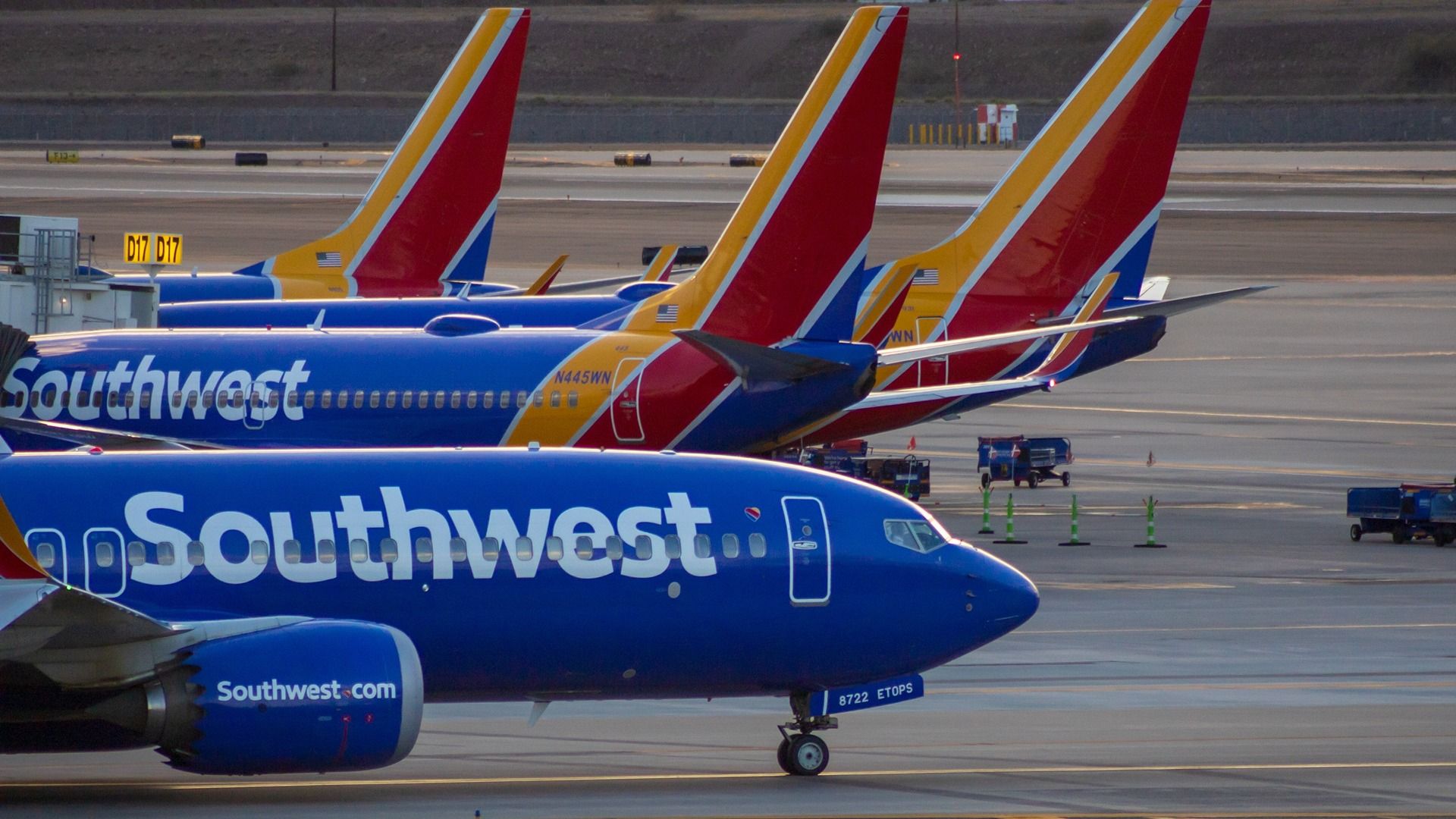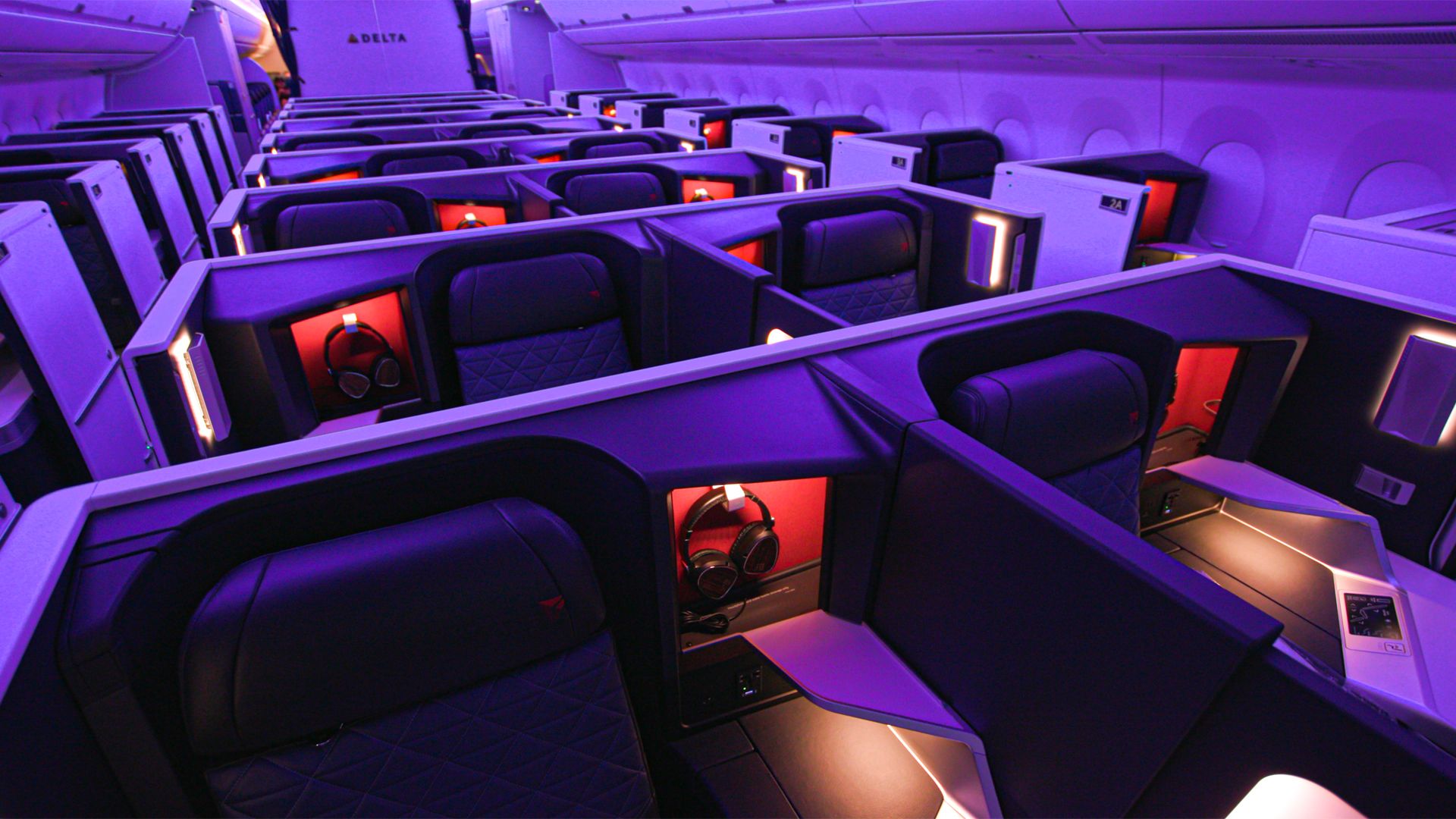

Faster aircraft have long captured the imagination of both passengers and engineers, symbolizing progress, innovation, and the relentless pursuit of shrinking the world. From the earliest aircraft to ambitious supersonic programs like Concorde , speed has often been linked to progress in commercial aviation, promising to dramatically reduce journey times across continents and oceans. At first glance, it appears logical that if an aircraft can fly faster, passengers should arrive at their destination more quickly. However, the reality of modern aviation is far more nuanced, as total travel time depends on a complex variety of factors that extend well beyond cruising speed alone.
The difference between an aircraft's cruising speed and the total door-to-door travel time experienced by passengers is significant. While airlines and manufacturers often emphasize cruise speeds in their marketing and technical specifications, passengers must contend with a sequence of processes that collectively define the overall journey. These processes begin well before takeoff , and include check-in, security screening, and boarding, all of which can take a considerable amount of time depending on the airport and time of day.
The process of flying is just one part of the travel experience. After landing , the process repeats in reverse, with taxiing, gate allocation, disembarkation, and baggage collection adding further delays. Even if a faster aircraft reduces the airborne portion of a journey by a meaningful margin, that improvement may represent only a relatively small percentage of the total travel time, especially on shorter routes where ground operations account for a larger share of the experience.
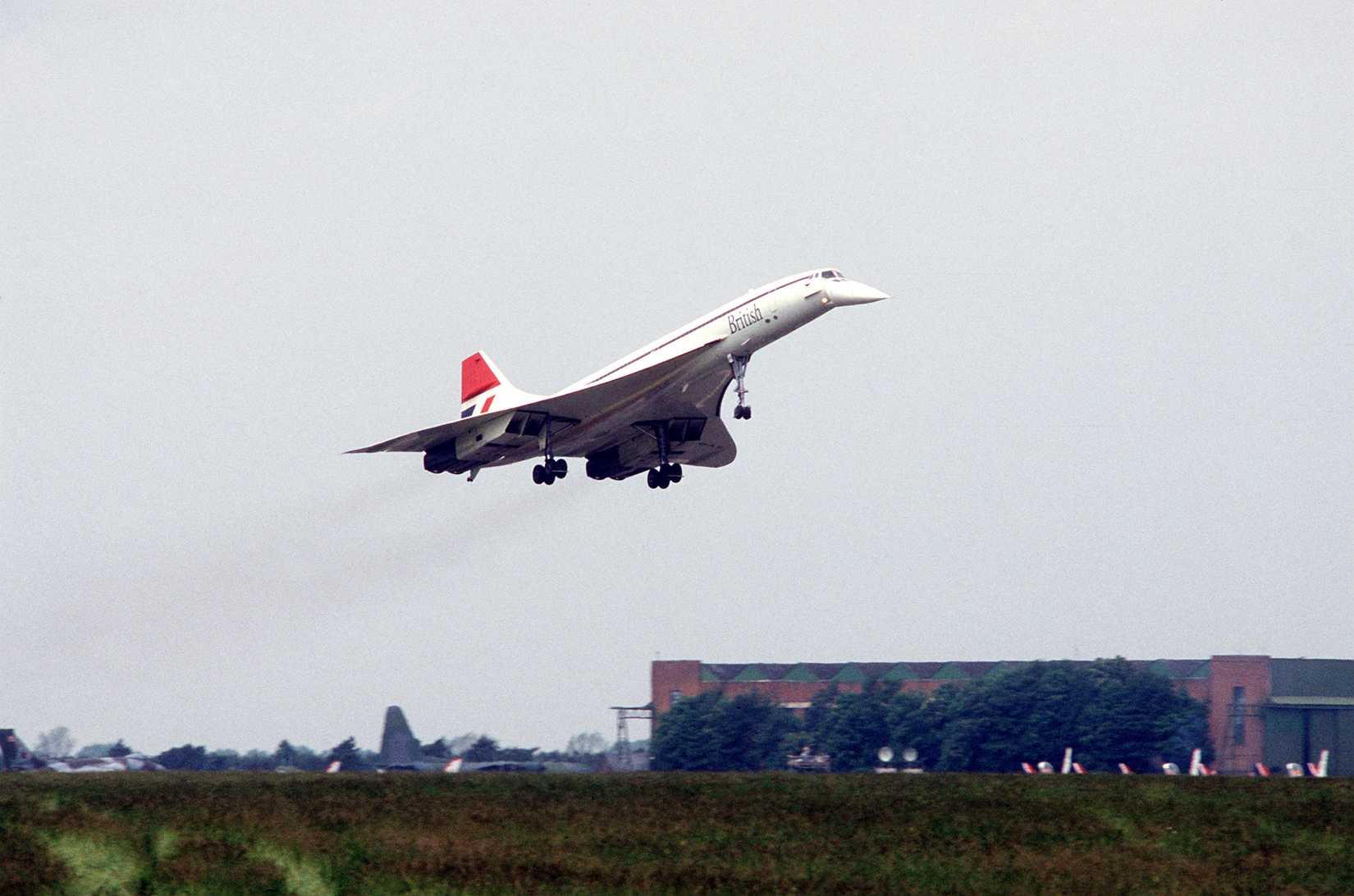
The benefits of speed in aviation are undeniable, but they must be weighed against the complexities of modern air travel. Aircraft speed has been a critical factor in aviation development, influencing passenger travel, cargo transport, and technological advancement. However, this focus on speed can sometimes lead to an oversimplification of the issues at hand.
A closer examination of the factors that influence total travel time reveals a more nuanced picture than initial impressions might suggest. Operational constraints, atmospheric conditions, airport infrastructure limitations, and economic considerations all play a role in shaping how long a journey actually takes from start to finish.
The structure of global air traffic control systems is another critical factor limiting the real-world benefits of faster aircraft. These systems are designed primarily around safety, predictability, and capacity rather than maximizing speed, highlighting the need for a more holistic approach to aviation development.

Ultimately, the relationship between aircraft speed and travel time is far more complex than a simple equation would suggest. As airlines and manufacturers continue to push the boundaries of what is possible in terms of speed and efficiency, it will be essential to consider these broader factors and develop solutions that address them.
In conclusion, while faster aircraft may offer some benefits in terms of reduced airborne travel times, they are unlikely to transform the travel experience overnight. By acknowledging the complexities of modern air travel and working to address the underlying issues, we can create a more efficient and effective aviation system for all.
Speed alone cannot define efficiency in commercial aviation.