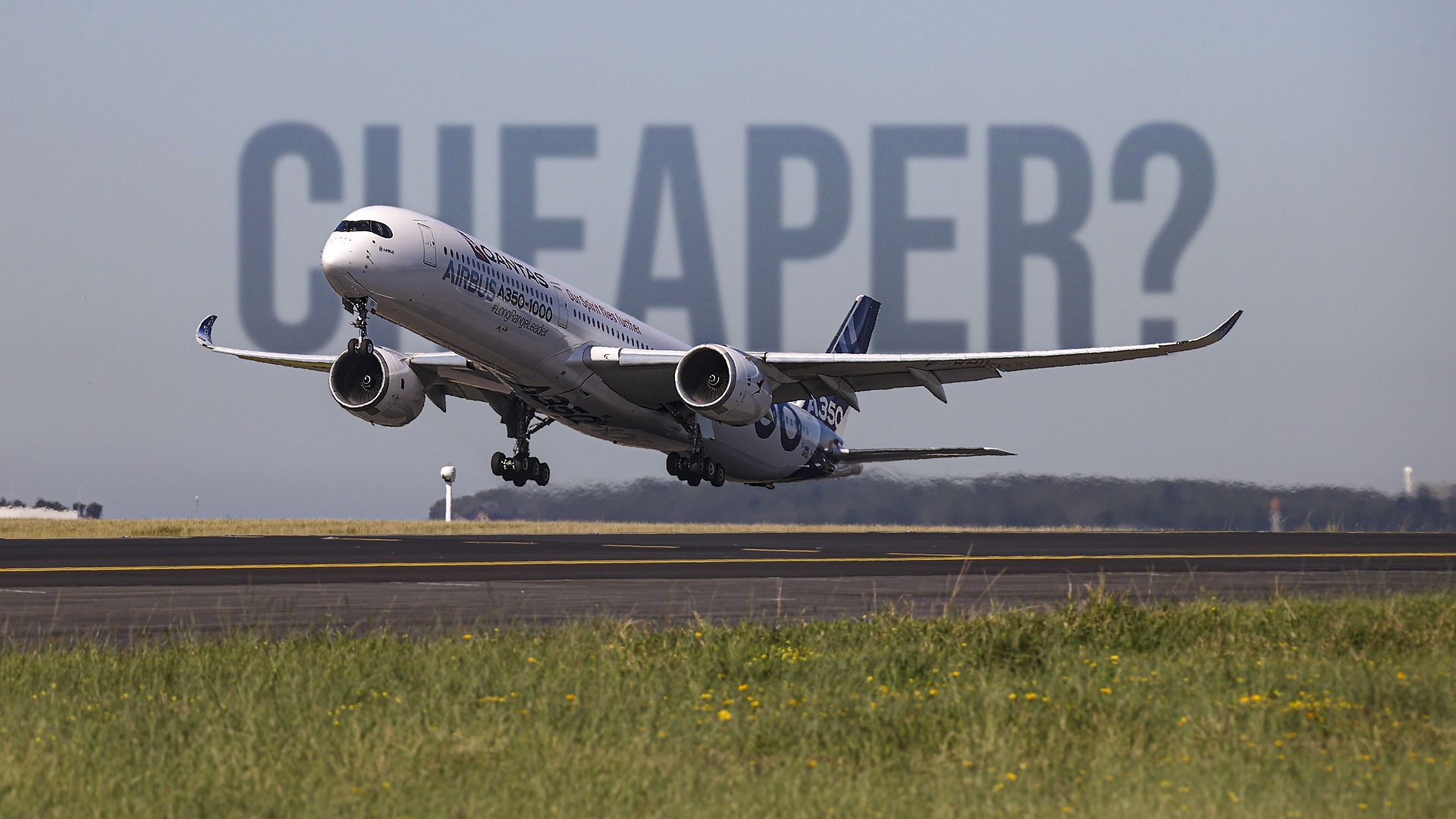


The Airbus A350 is a testament to human innovation in aviation engineering. At 35,000 feet, this aircraft maintains an optimal cabin pressure, allowing passengers to breathe comfortably without any issues. The advanced technology used in its pressurization system is a result of years of research and development by the world's leading manufacturers. By utilizing high-pressure air from engine compressor stages or electronically driven compressors, the A350 ensures a safe and pleasant flying experience for all on board.
The cabin pressure of an aircraft is crucial for passenger safety and comfort. At cruising altitudes, the outside air is too thin to support human life, making it essential to maintain a pressurized environment within the cabin. The Airbus A350's ability to regulate cabin pressure at 6,000 to 8,000 feet is a significant achievement in aviation engineering.
The use of advanced materials such as Carbon Fiber Reinforced Polymers has enabled the development of more efficient and lighter aircraft. This technology has also contributed to the creation of pressurized aircraft like the A350, which boasts some of the highest standards in cabin pressure and humidity.
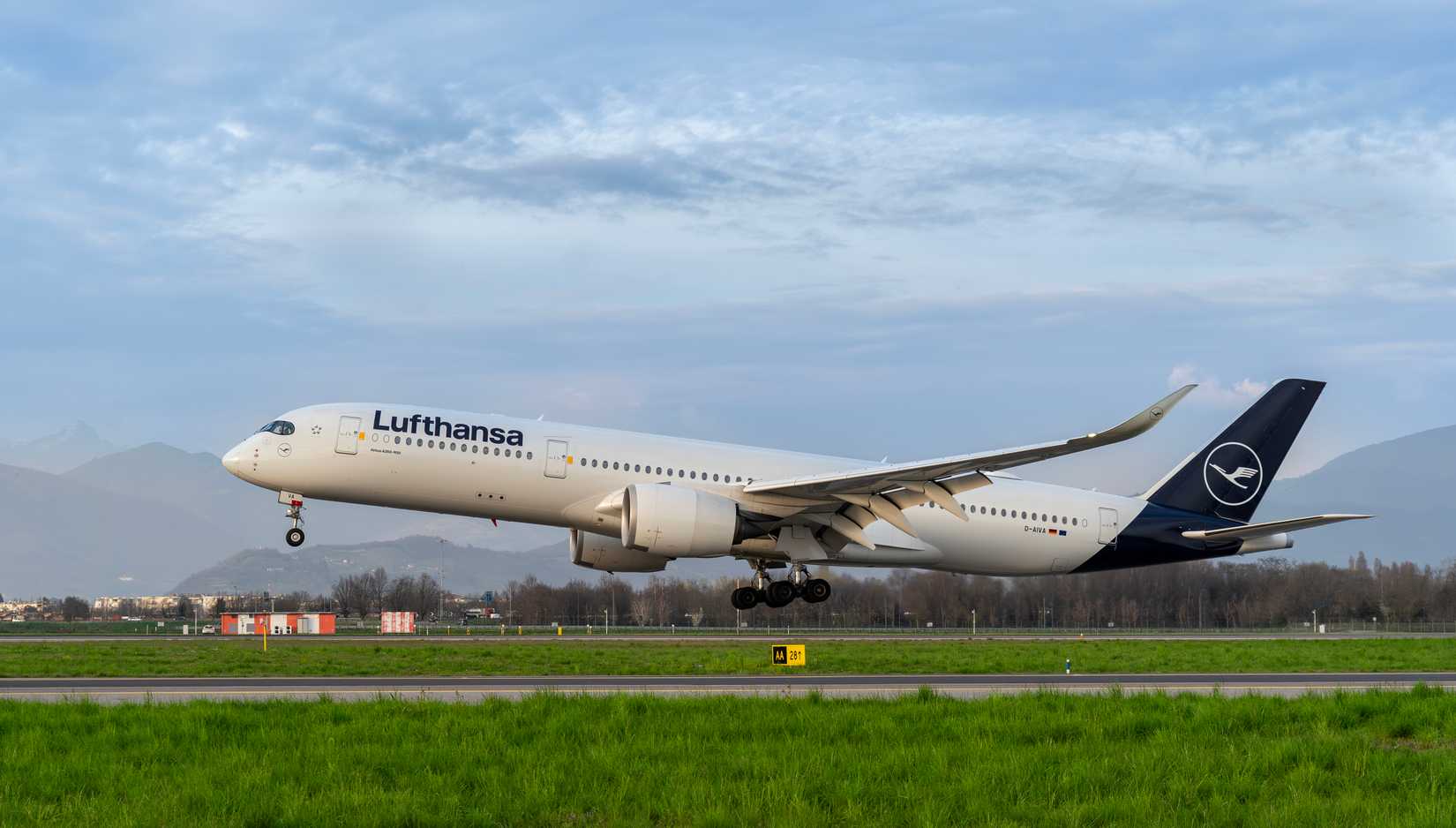
The Airbus A380 Superjumbo is known for its comfort and quiet ride, but it lacks the modern features that make the A350 stand out. The A350's advanced cabin pressurization system is a key factor in its superior performance, providing a smoother and more comfortable flying experience.
The development of automatic systems to take over from the crew in case of cabin pressurisation system failure is a significant safety feature. This technology ensures that passengers can breathe normally even in emergency situations.
The Environmental Control System (ECS) plays a vital role in managing air quality within the cabin. By regulating air pressure and temperature, the ECS maintains a comfortable environment for passengers, reducing fatigue and stress during long flights.
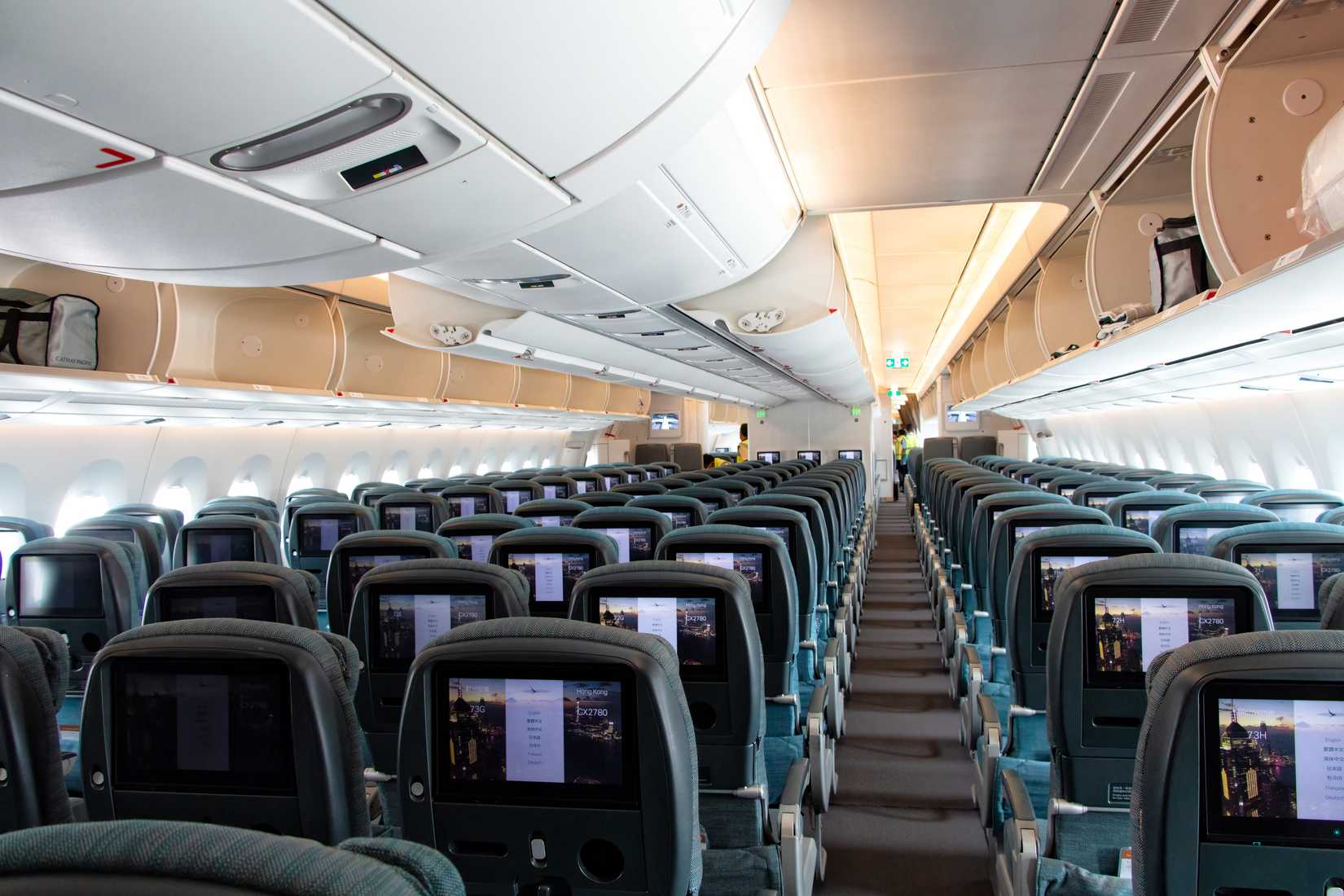
The Airbus A350's bespoke Rolls-Royce Trent XWB engines supply compressed air from their high-pressure states, which is then cooled, conditioned, and fed into the cabin. This efficient system enables the aircraft to maintain optimal cabin pressure while minimizing energy consumption.
The comparison between the A350 and Boeing 787 Dreamliner highlights the advancements in modern aviation technology. While both aircraft share some similarities, the A350's advanced cabin pressurization system sets it apart from its competitors.
As the aviation industry continues to evolve, advances in cabin pressurization technology will play a crucial role in shaping the future of air travel. The development of more efficient and sustainable systems will enable airlines to reduce their environmental impact while providing passengers with an even better flying experience.

The development of advanced cabin pressurization systems has revolutionized the aviation industry, enabling safer and more comfortable flights.