
The development cost of the Airbus A350 is roughly $15 billion, which is significantly lower than that of the Boeing 787 Dreamliner at around $30–32 billion. This disparity in price reflects the different strategies employed by each manufacturer during their respective development phases. The main factors contributing to this difference are the numerous delays, supply chain issues, and redesign cycles experienced by the 787 program, which ultimately pushed its entry into service from 2008 to 2011 and increased costs significantly.
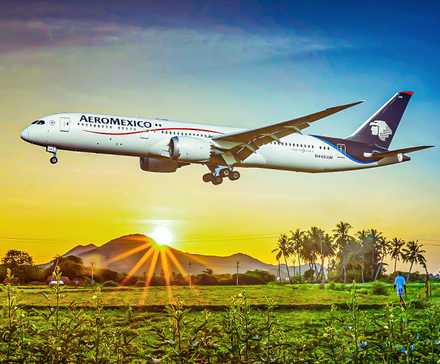
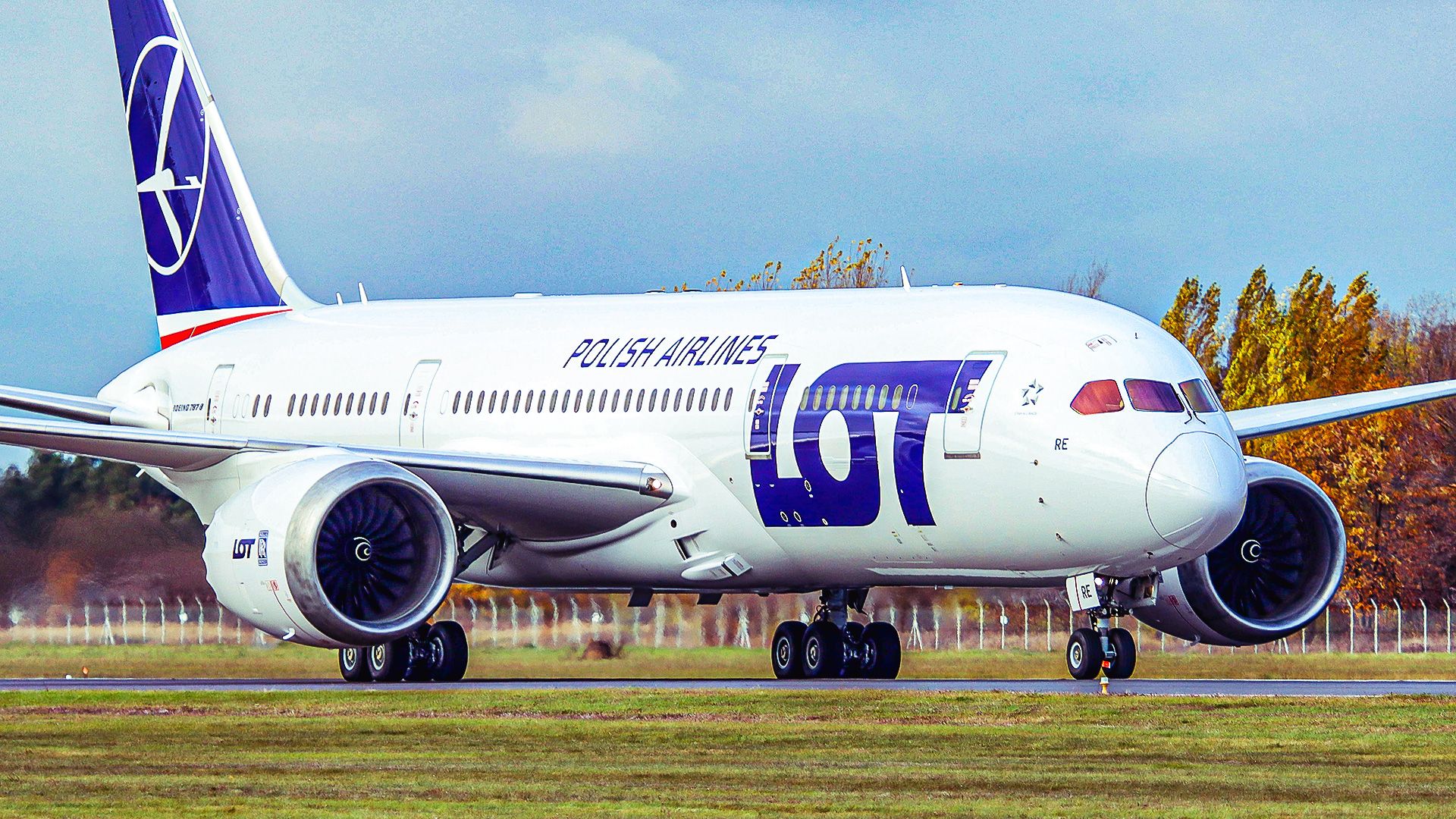
The Boeing 787 Dreamliner was one of the most complex commercial aircraft projects ever undertaken, aiming to revolutionize long-haul travel through advanced technology. The use of carbon-fiber-reinforced composites in its structure resulted in a significant reduction in weight compared to traditional aluminum aircraft, leading to improved fuel efficiency and passenger comfort.
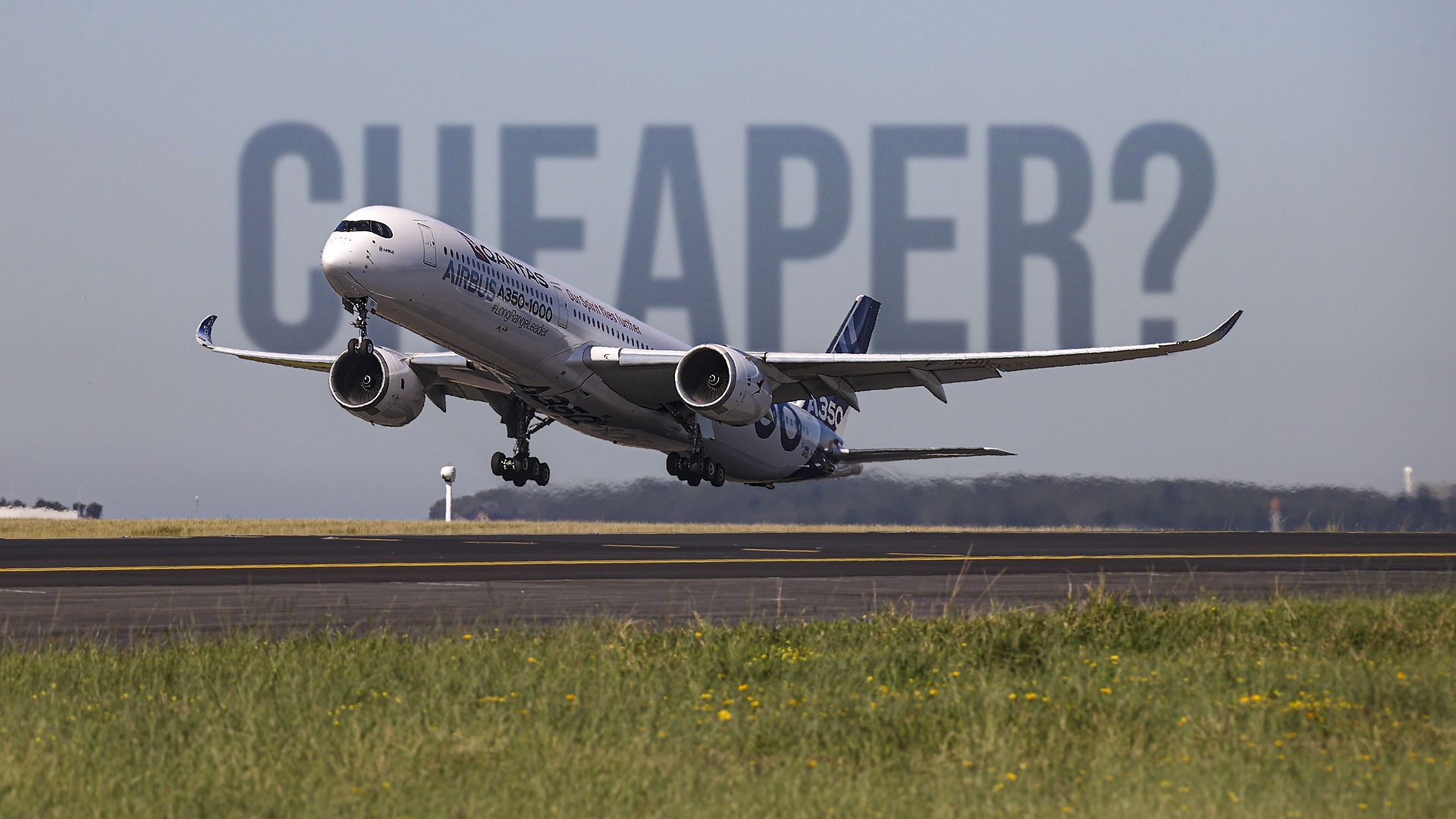
The Airbus A350, on the other hand, adopted a more controlled approach to development, retaining greater control over design and integration compared to Boeing's outsourcing strategy. This allowed Airbus to minimize costs and optimize production, resulting in a lower price tag for the A350.
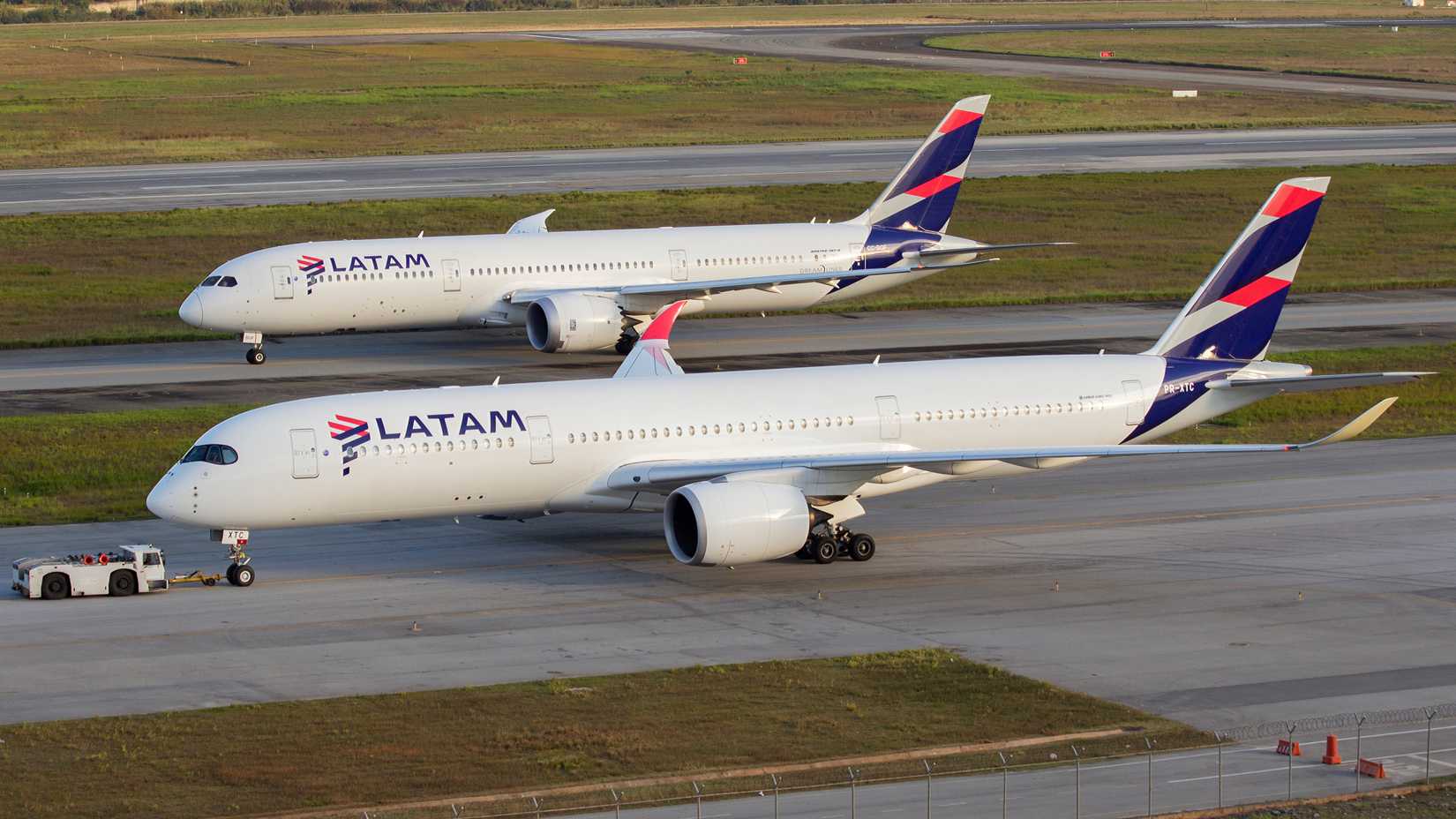
The two aircraft are often compared due to their similarities in size and role, but they differ notably in terms of capacity and passenger comfort. The 787 family is well-suited for long-haul routes with moderate demand, while the A350 is better suited for busier routes with higher passenger loads.
The performance of both aircraft is designed for long-haul and ultra-long-haul operations, with the A350 having a slight advantage in range and payload. This allows it to operate some of the longest routes in the world with heavier passenger and cargo loads, making it an attractive option for airlines seeking to expand their route networks.
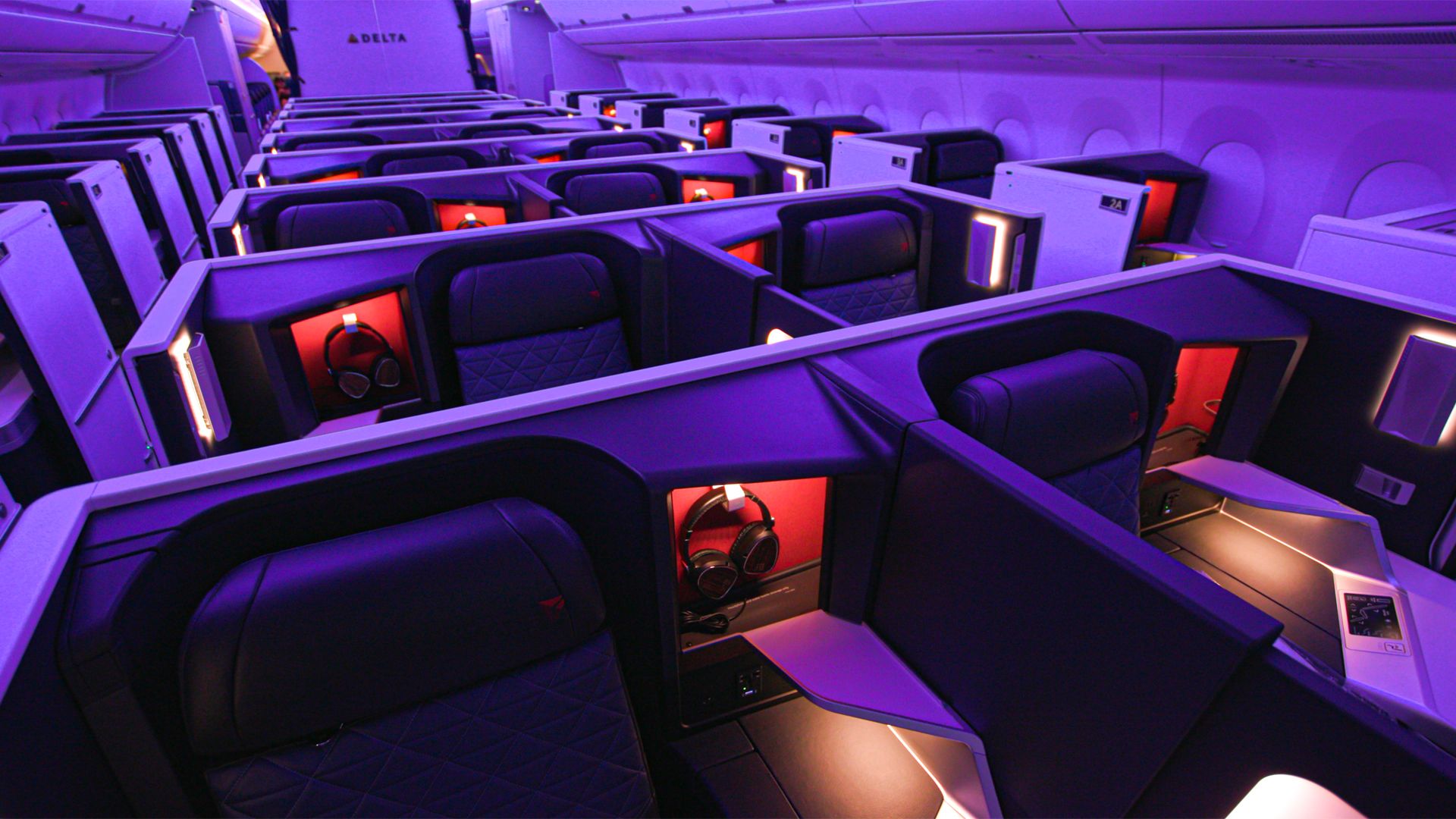
The Airbus A350 offers several environmental benefits compared to previous generations, including a wider cabin that enables more comfortable seating layouts. In contrast, the Boeing 787 is known for its larger dimmable windows, higher cabin humidity, and lower cabin altitude, which help reduce fatigue on long flights.
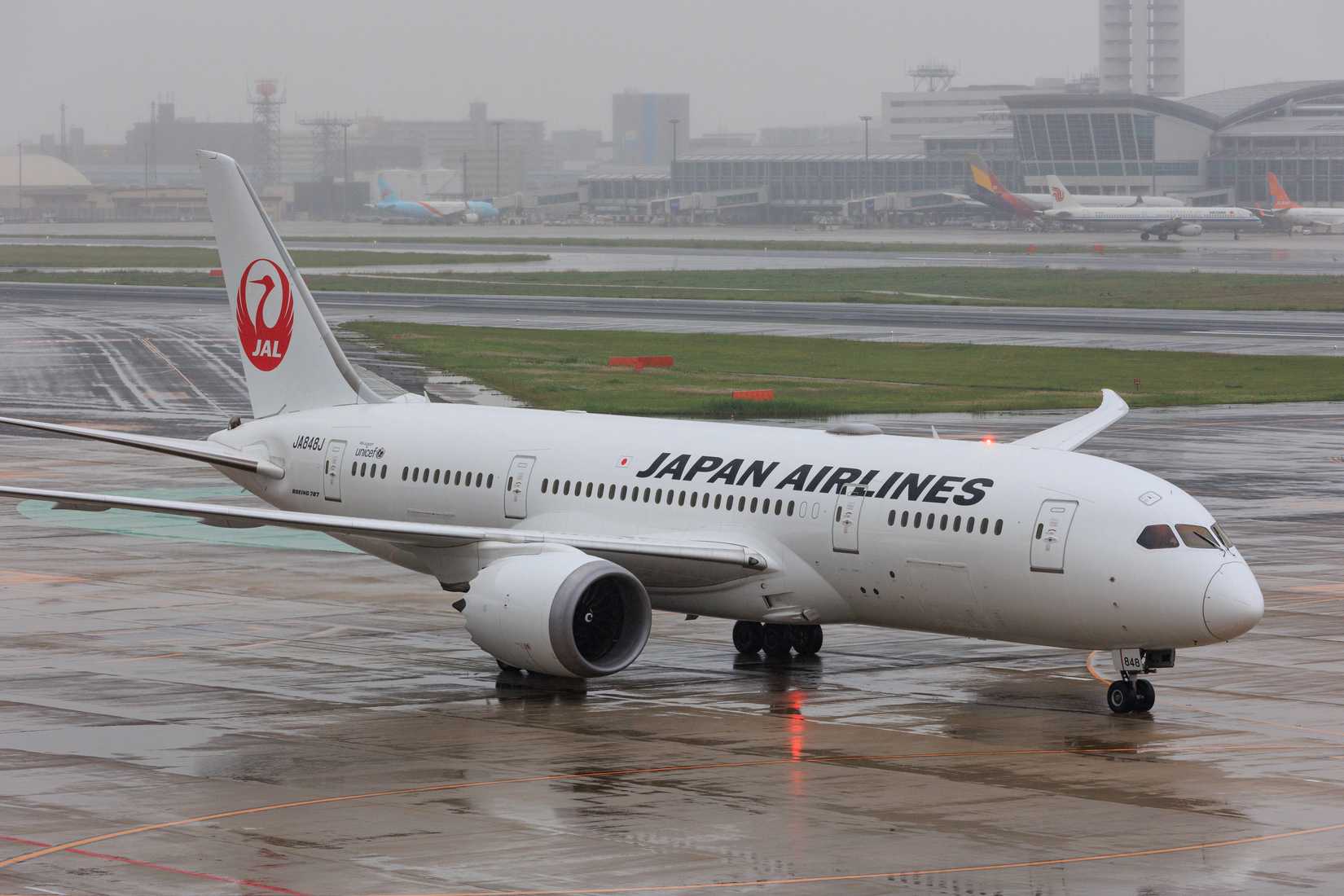
The choice between the two aircraft ultimately depends on airline priorities and route demand. Airlines seeking to improve fuel efficiency and passenger comfort may prefer the 787, while those prioritizing capacity and range may opt for the A350.
Despite the differences in development strategies and outcomes, both aircraft have delivered significant improvements over previous generations. The Airbus A350's wider cabin and more comfortable seating layouts make it an attractive option for airlines seeking to enhance passenger experience.
The Boeing 787 Dreamliner program was a landmark project that showcased the potential of advanced technology in commercial aviation. Its success has paved the way for future aircraft development, with manufacturers continuing to push the boundaries of innovation and efficiency.