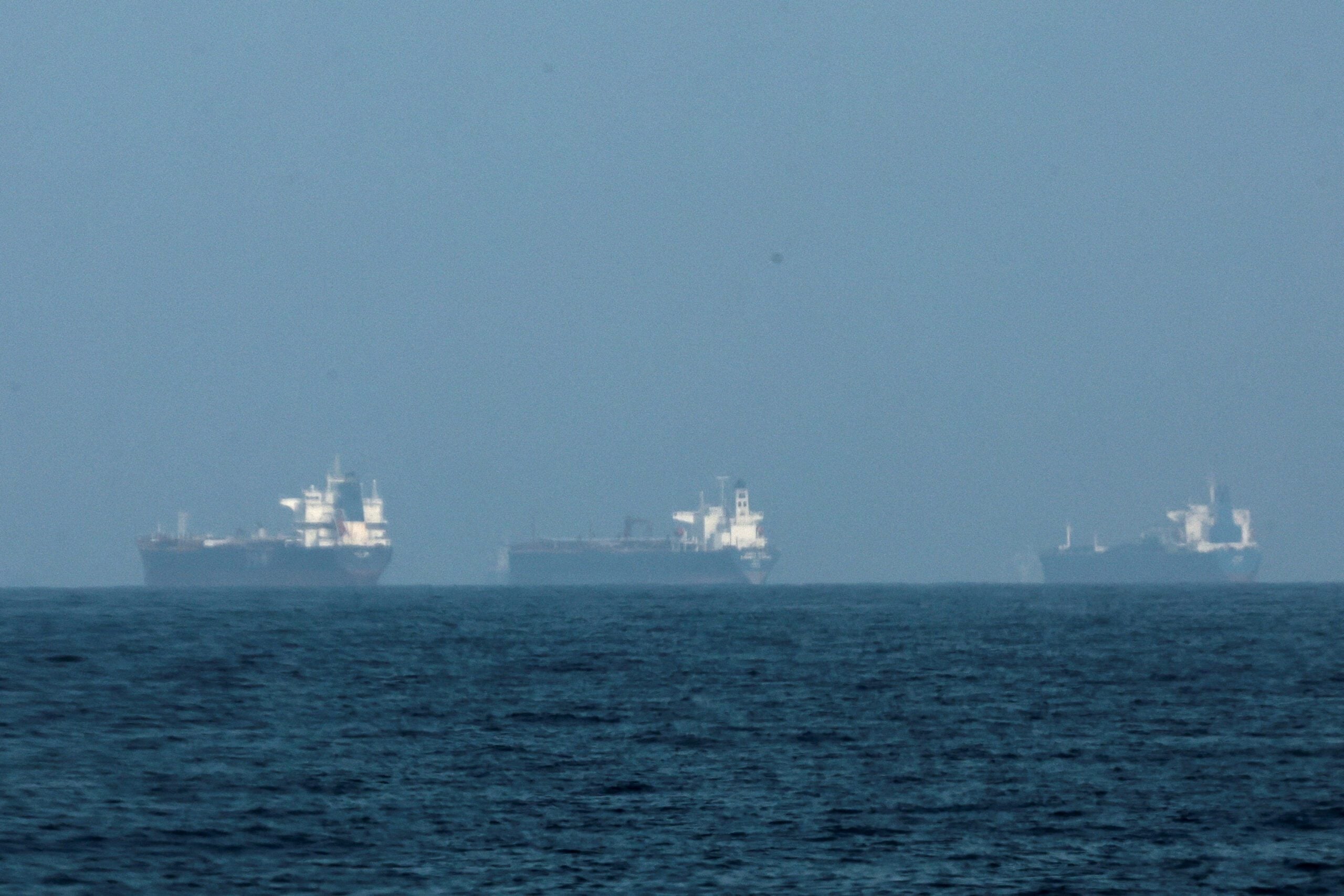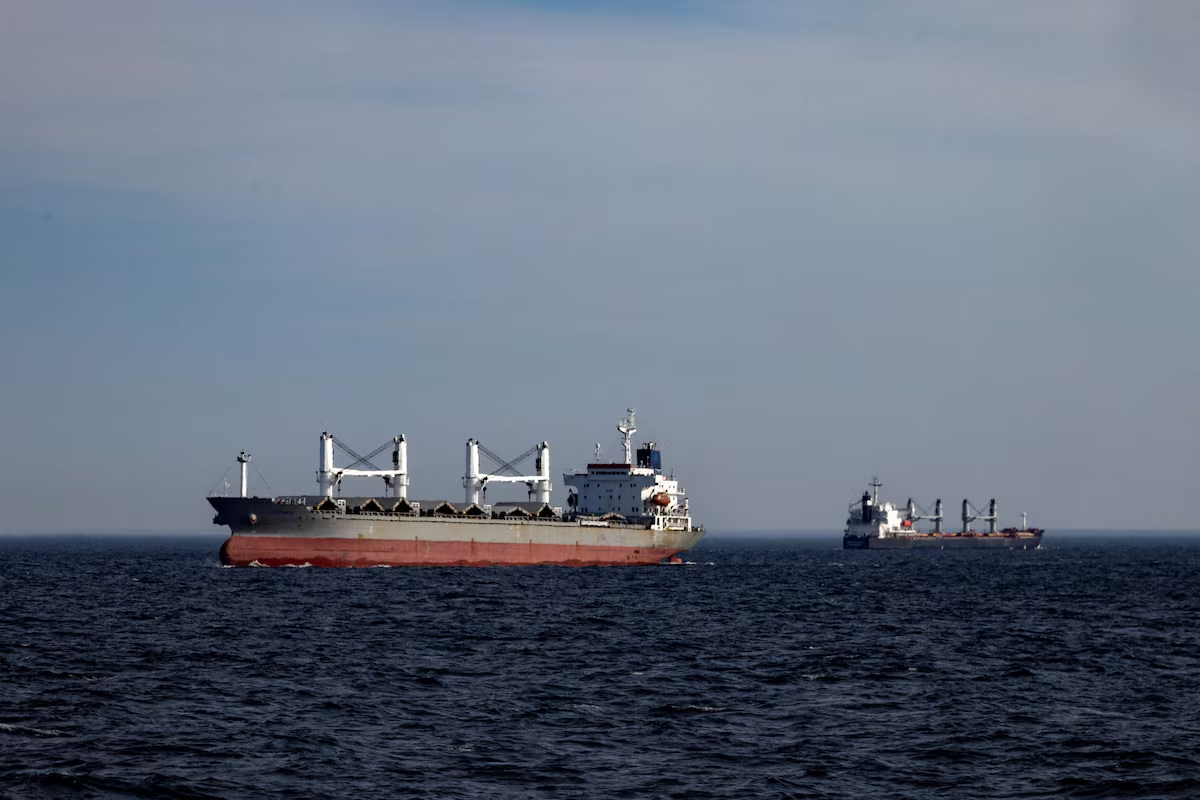


The United Arab Emirates (UAE) has emphasized the importance of ensuring access through the Strait of Hormuz in any potential US-Iran deal. The country's diplomatic adviser, Anwar Gargash, stated that the strait cannot be weaponized and its security is a global economic imperative. This stance underscores the critical role the strait plays in international oil trade, with approximately a fifth of global oil and liquefied gas supplies passing through it daily.
The UAE's position highlights the escalating tensions between Iran and its regional adversaries, including the US and Israel. The conflict has resulted in severe disruptions to global energy supplies, exacerbating an already fragile economic landscape. As the situation continues to unfold, the international community must address the root causes of instability in the region.
Anwar Gargash warned that a deal failing to rein in Iran's nuclear program and its missiles and drones would lead to a more volatile Middle East. This sentiment is echoed by other regional officials, who describe the UAE as one of the countries most heavily targeted by Iranian strikes.

The US has threatened to rain 'hell' on Tehran if it does not make a deal and reopen the Strait of Hormuz by its Tuesday deadline. However, this approach risks further escalation and may be perceived as an aggressive move by Iran.
Despite the escalating tensions, the UAE remains committed to finding a peaceful resolution to the conflict. Anwar Gargash emphasized that the country wants to see the war end but is wary of a ceasefire that leaves unresolved issues.
The global energy crisis triggered by the conflict has significant implications for international trade and economic stability. As the situation continues to unfold, it is essential to address the root causes of instability in the region.
Anwar Gargash stated that the UAE is ready to join any US-led international effort to secure shipping through the strait. This move would demonstrate the country's commitment to regional security and its willingness to work with international partners.
The Strait of Hormuz remains a critical chokepoint in global oil trade, and its security is essential for maintaining economic stability. The international community must prioritize finding a peaceful resolution to the conflict that addresses the root causes of instability in the region.
As the worst-case scenario unfolds, it is crucial to address the escalating tensions between Iran and its regional adversaries. A comprehensive solution that prioritizes regional security and addresses the underlying issues driving the conflict is essential for maintaining peace and stability in the Middle East.