

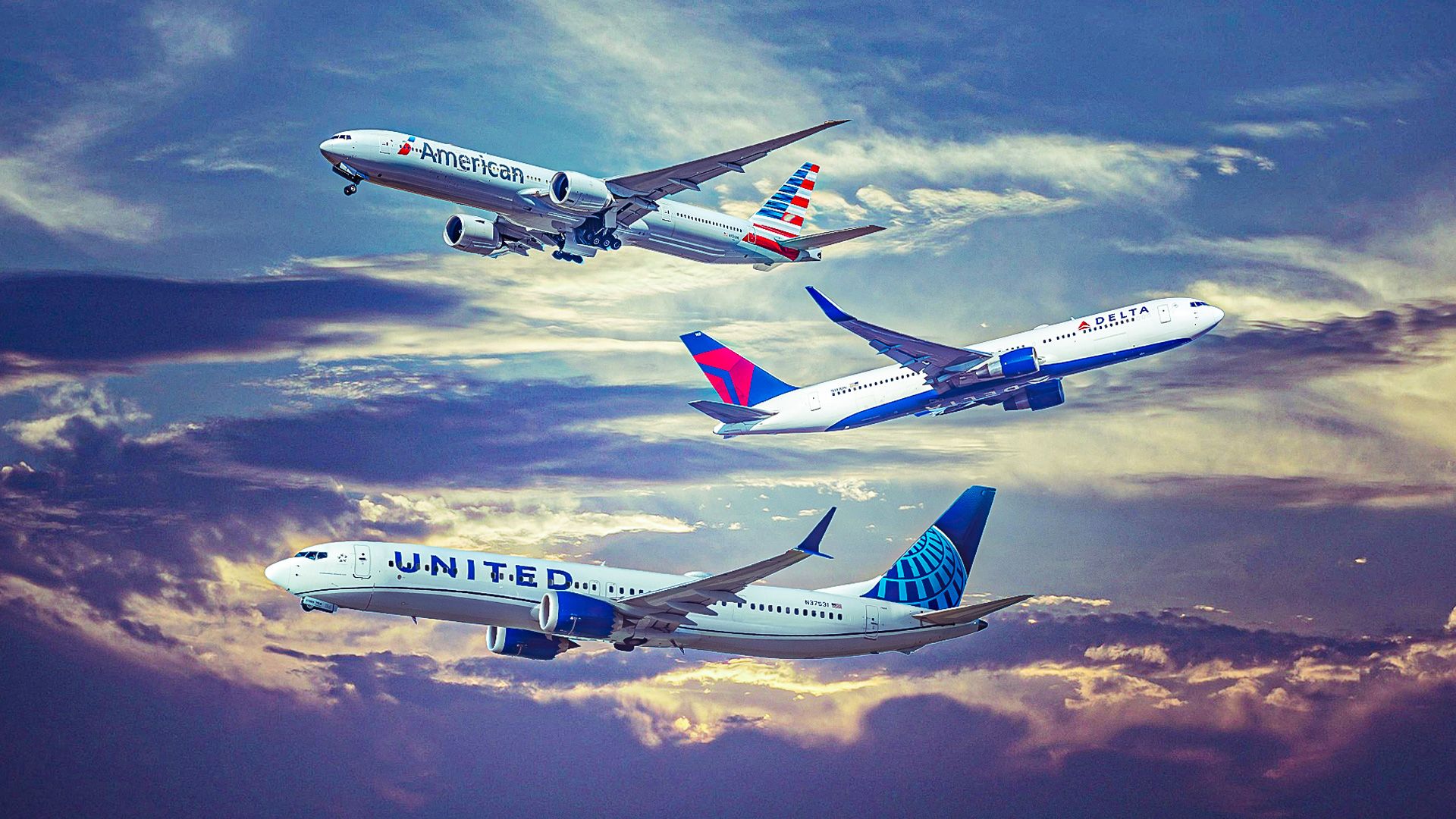
Pilot pay has long been a contentious issue in commercial aviation, but recent developments have brought record-breaking salaries to the forefront. The 'big three' US airlines - American Airlines, Delta Air Lines, and United Airlines - have witnessed significant increases in pilot compensation, driven by a combination of economic factors and strengthened labor negotiations.
These changes reflect not only wage inflation but also a redefinition of how airlines value their most essential professionals. With major labor contracts being renewed and a persistent shortage of qualified flight crew, the industry has been forced to adapt its compensation strategies to remain competitive.
The numbers behind the pay boom are striking, with new first officers earning six-figure salaries and captains taking home nearly half a million dollars annually. These figures underscore the dramatic evolution of the pilot career path in the United States, where pilots today enjoy more leverage, transparency, and long-term security than ever before.
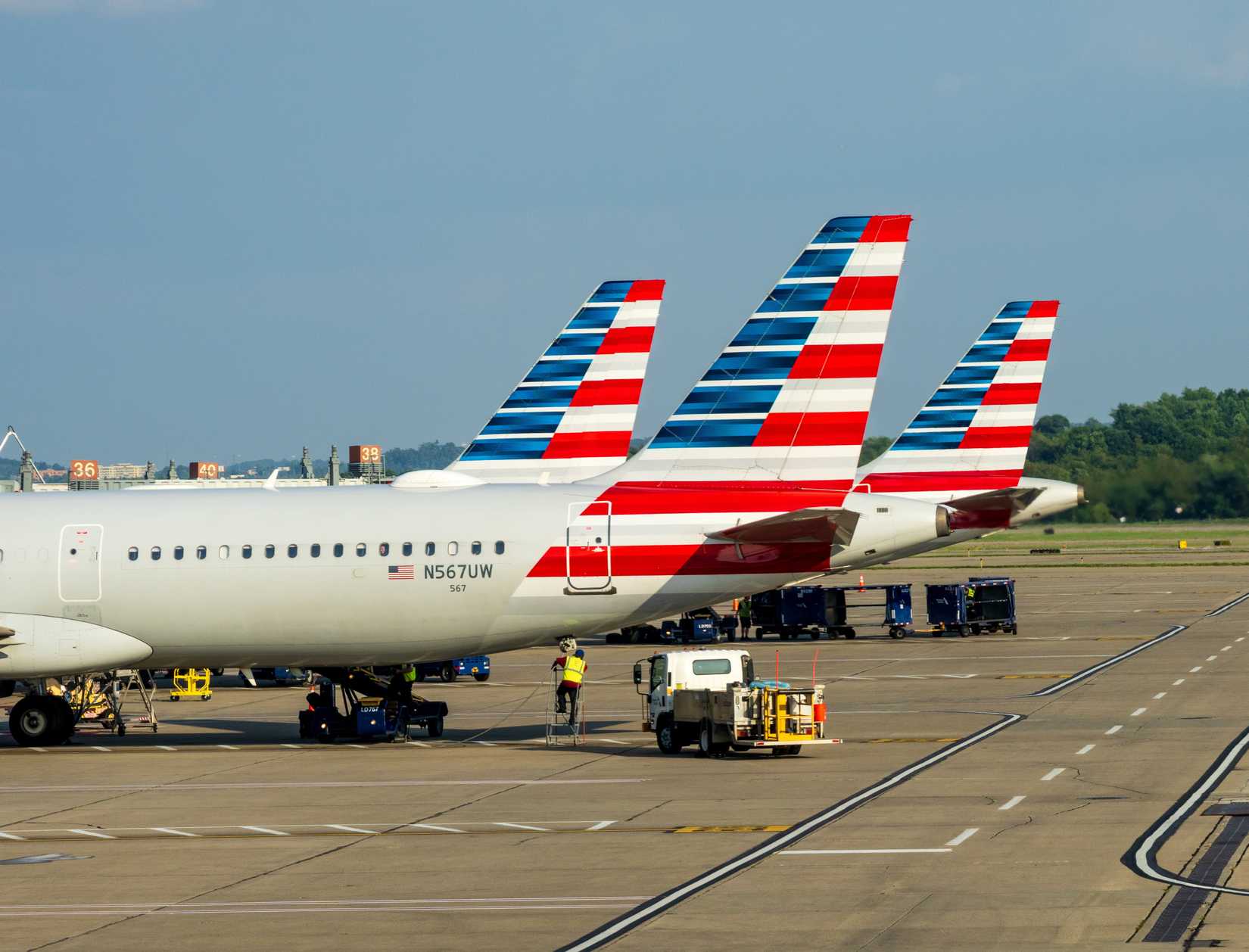
Airlines competing for experienced crew have transformed salary structures, benefits, and lifestyle provisions to remain attractive in a competitive market. This shift has created a landscape of opportunity that is expanding faster than ever before, with flight students and professionals alike benefiting from the increased demand.
According to ATP Flight School, the average airline pilot now earns around $186,000 per year, though exact figures vary widely by aircraft type, experience, and employer. Captains at major carriers can exceed $500,000 annually when factoring in bonuses, per diems, and overtime pay.
The record numbers stem from an industry grappling with demand that far outpaces the available pilot supply. This has led to a market where pilots, rather than airlines, finally hold the negotiating power.
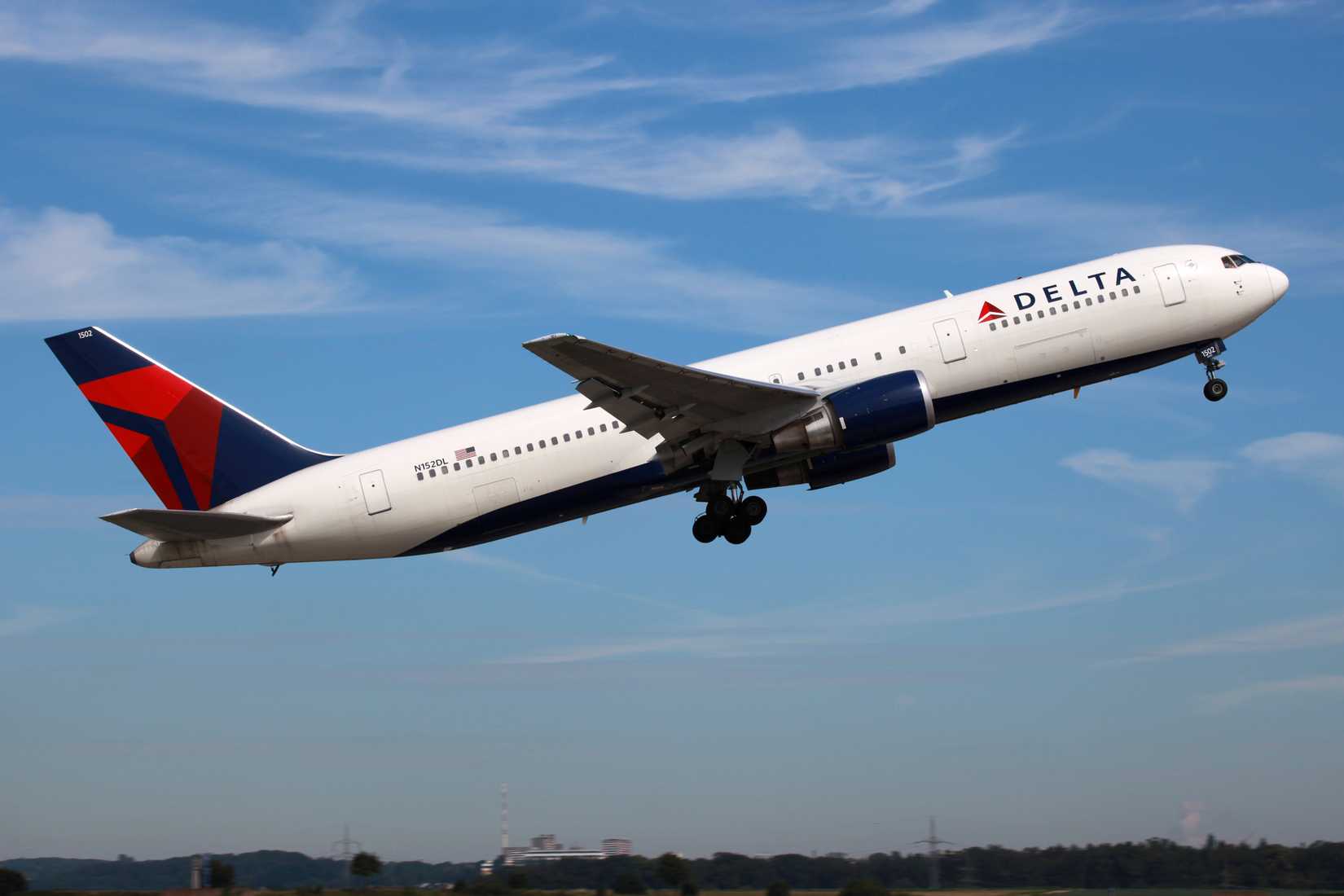
Delta Air Lines' landmark 2023 contract marked a turning point in this shift, raising pilot pay by 34% over four years and sending a clear signal across the aviation world that the era of stagnant wages was over. Competitors such as American and United quickly followed with similar wage adjustments to keep talent from migrating.
These moves created a ripple effect that boosted compensation even at smaller carriers seeking to remain competitive. The collective impact has reshaped the economics of flying for the better, providing pilots with greater financial security and stability.
However, stark contrasts remain between different tiers of the profession, with regional first officers still earning only a fraction of what senior widebody captains make. This disparity reflects both aircraft complexity and airline profitability, highlighting the need for more nuanced compensation strategies in the industry.

The surge in pilot earnings highlights the evolving dynamics of the US airline industry, with pilots now wielding significant bargaining power.