

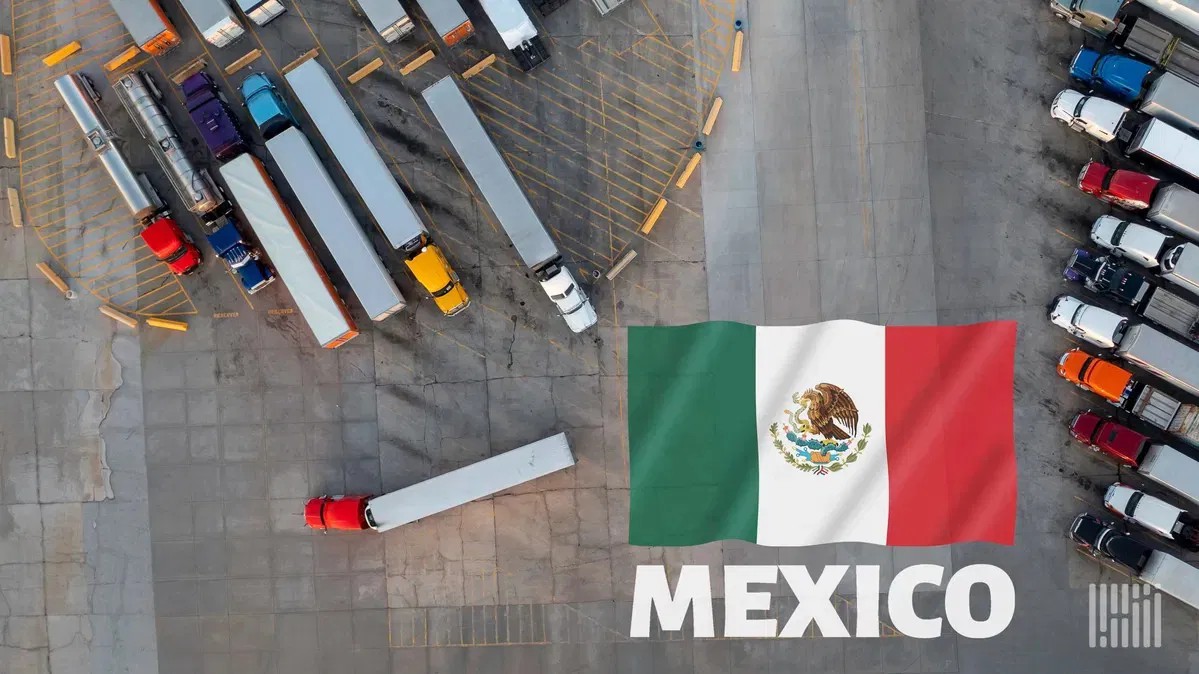
A nationwide strike by Mexican truckers and farmers blocked major highways and freight corridors across Mexico on Monday, disrupting access to Mexico City, industrial zones and several U.S.-Mexico border crossings. The protest, organized by the National Association of Transporters (ANTAC) and the National Front for the Rescue of the Mexican Countryside (FNRCM), included road blockades in at least 20 states and began around 7 a.m. CST, with disruptions expected to last several hours or longer in some areas.
The groups say the strike is in response to rising cargo crime, high diesel and operating costs, deteriorating road infrastructure and a lack of progress on agreements with the federal government related to highway security and extortion. This highlights the growing concerns within the Mexican trucking industry about safety and security issues that are affecting their operations.
According to Mexican media reports, blockades were reported on several of Mexico’s most important freight routes, including major highways and toll roads. These corridors connect Mexico’s manufacturing hubs, ports and border crossings, making them critical for domestic distribution and cross-border trade. The impact of the strike will be felt across various sectors, from manufacturing to agriculture.

The strike is affecting access to industrial corridors, customs facilities and toll roads, similar to protests in November 2025 that disrupted more than 40 highways and access to industrial zones and customs facilities. This demonstrates the complexity of the issues at play and the need for a comprehensive solution.
Transport and agricultural groups say insecurity remains one of the biggest issues facing freight operators in Mexico. The lack of progress on agreements with the federal government has led to frustration among these groups, who are demanding better security measures and support.
Official government data shows 6,263 investigations into cargo truck robberies were opened in 2025, but industry groups estimate the true number of cargo theft incidents — including unreported cases — exceeded 16,000, with losses topping 7 billion pesos annually. This highlights the severity of the problem and the need for urgent action.
Protesters are demanding better working conditions, higher wages, and improved safety measures to address the issues affecting the trucking industry. The strike is also a call for greater transparency and accountability from the government in addressing these concerns.
Farmers joining the strike say insecurity, high fuel costs and agricultural pricing pressures are hurting rural producers and transport operators alike. This underscores the interconnectedness of the supply chain and the need for a holistic approach to address the issues at hand.
The Mexican government has held multiple meetings with transport and agricultural groups, but the strike is ongoing, raising concerns about the impact on supply chains and freight movement across Mexico. The government's response to the crisis will be crucial in determining the outcome of the strike and finding a lasting solution.