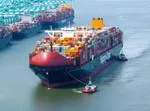

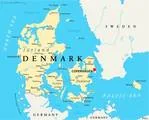
The global oil trade has seen a significant shift in recent years, with almost five million barrels of oil passing through Danish waters every day. This staggering amount is equivalent to the entire daily production of Denmark's oil refineries combined. The sheer volume of oil being transported through Danish waters highlights the importance of effective marine environmental preparedness for the country.
In the first half of 2025, the Great Belt and the Sound saw an unprecedented increase in oil transport, with 4.9 million barrels of oil shipped through both places per day. This represents a 58% rise from 2021 to 2025, underscoring the impact of international sanctions on Russian oil exports.
The increased demand for Norwegian and American oil has led to a significant shift in the global oil trade, with more oil being transported through the Baltic Sea than ever before. This change is largely attributed to the international sanctions imposed on Russia following their invasion of Ukraine.
The Danish Shipping Companies' analysis reveals that the Strait of Malacca and the Strait of Hormuz are the global hubs for oil transport, with over 20 million barrels of oil shipped daily through these straits alone. The significance of this finding cannot be overstated, as it highlights the critical role these waterways play in maintaining global energy stability.
The war in Iran has significant implications for shipping and the world economy, as the Bab el-Mandeb Strait and the Suez Canal have become increasingly important routes for oil transport. However, the Houthis' attacks on shipping in the Red Sea have resulted in a substantial increase in oil being shipped around Africa.
The increased oil traffic through Danish waters has raised concerns about the safety of ships operating in the area. The use of so-called shadow fleet ships, which are often in poor condition and have uncertain insurance and ownership conditions, is particularly alarming.
Furthermore, the lack of adequate marine environmental preparedness in Denmark poses a significant risk to the country's ability to respond to an oil disaster in its waters. The CEO of Danske Rederier emphasizes the need for a new government to prioritize establishing this necessary infrastructure.
The Danish Shipping Companies' analysis demonstrates the critical importance of effective marine environmental management and preparedness in the face of increasing global energy demands. As the world continues to navigate the complexities of international sanctions and shifting global energy dynamics, it is essential that countries like Denmark take proactive steps to ensure their readiness for the challenges ahead.
Ultimately, the increased oil transport through Danish waters serves as a stark reminder of the need for greater cooperation and preparedness among governments, shipping companies, and other stakeholders to mitigate the risks associated with this critical industry.