Global shipping company Hapag-Lloyd has estimated that the ongoing crisis in the Middle East could result in weekly costs of up to $60 million, with resuming normal operations taking at least 6-8 weeks. The company's cautious optimism on resuming shipping through the Strait of Hormuz comes after a two-week ceasefire agreement between the U.S. and Iran. However, Hapag-Lloyd CEO Rolf Habben Jansen emphasized that more security assurances are needed before normal traffic can resume throughout its network.
According to Jansen, the conflict in the Middle East is still severely disrupting shipping and supply chains, despite the recent ceasefire agreement. He noted that the situation remains fluid and unpredictable, which could impact the company's ability to operate efficiently.
Hapag-Lloyd's estimated costs of $50 million to $60 million a week are significantly higher than its previous estimates of $40-$50 million. This increase is largely due to the prolonged disruption caused by the crisis in the Middle East, with approximately 1,000 ships still stuck in the region.
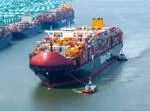
Six of Hapag-Lloyd's ships are currently stranded in the region, with a combined capacity of around 25,000 standard containers. The company has warned that it will have to pass on some of these additional costs to its customers.
The shipping industry is facing significant challenges due to the ongoing crisis in the Middle East. The disruption to global trade and supply chains could have far-reaching consequences for businesses and consumers alike.
Resuming normal operations will require a significant amount of time, with Hapag-Lloyd estimating that it will take at least 6-8 weeks. This timeframe may vary depending on the level of security assurances provided by the U.S. and Iran.
The Hormuz crisis has highlighted the importance of security in international shipping. The Strait of Hormuz is a critical waterway for global trade, and any disruption to its operations can have significant economic consequences.
As the situation continues to unfold, it remains to be seen how the shipping industry will adapt to the new reality. One thing is certain, however: the ongoing crisis in the Middle East will have a lasting impact on global trade and supply chains.
The shipping industry's response to the Hormuz crisis will be closely watched by businesses and consumers alike. As the situation continues to evolve, it is essential for companies like Hapag-Lloyd to prioritize security and adapt to changing circumstances.