


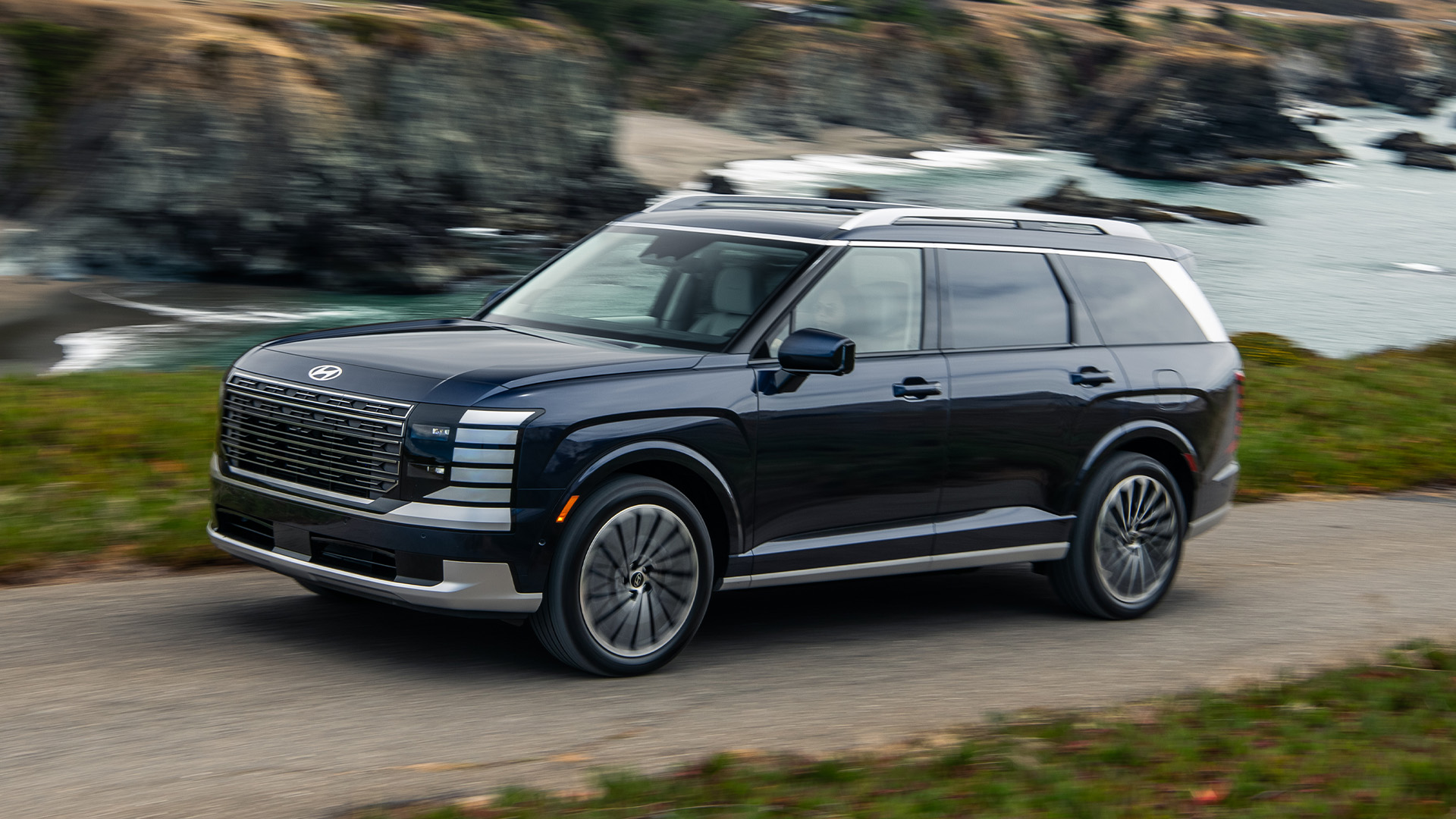
According to a Cox Automotive study, six years ago, buyers who made at least $150,000 annually accounted for 29 percent of new-car sales. Recently, this group accounted for 42 percent during a month-long span in 2025.
This shift is largely due to the average new-car transaction price breaking through the $50,000 barrier last year. As a result, many buyers who might have walked out of a dealership with a new car five or ten years ago are instead taking a used vehicle home.
The average used car cost just shy of $26,000 as of October, according to Kelley Blue Book, a Cox subsidiary. Dealerships have responded by reducing their margins on new vehicles and focusing on making money through service.
However, even with this adjustment, the market is still driven by demand for low-mileage certified pre-owned vehicles with 100,000-mile warranties. Interestingly, buyers who can afford to go new seem to be happier than ever with their decisions, attributing their satisfaction to improved vehicle selections and smoother experiences at the sales and finance desks.
New cars are generally very good and reliable, just like used cars, which also benefit from this trend as older vehicles fall out of the market. This shift in the market is clear, with shoppers who come in expecting a relatively inexpensive new car being pushed toward the used lot.
The 2020s have already been marked as the era when new cars definitively became a luxury.
The trend towards more buyers opting for used vehicles is a reflection of the changing landscape of the automotive market, where affordability has become a major factor in car-buying decisions.


