The Strait of Hormuz, a critical waterway for global oil trade, is facing new challenges with plans to toll vessels that could add up to $1 per barrel to the price of crude oil transiting the area. The proposed tolls would significantly impact the global energy market, particularly in regions heavily reliant on Middle Eastern oil supplies.
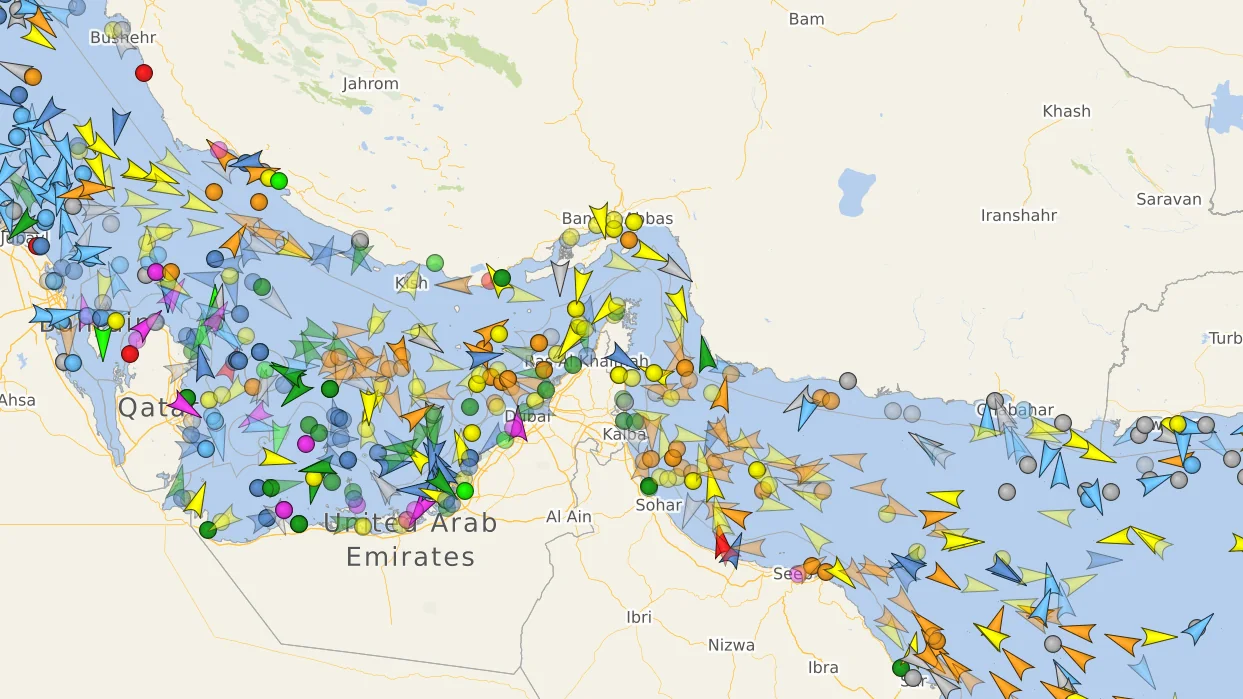
Despite a recent ceasefire between Iran and the United States, commercial shipping remains tightly constrained relative to pre-conflict levels, with many vessels opting for routes that skirt around the strait. This has resulted in a significant increase in costs for operators of very large crude carriers (VLCCs), which are currently paying $2 million per ship to ensure safe passage through the strait.
The blockade by Iran has throttled supply and sent prices of fuel soaring, with reports suggesting that Brent crude prices rose as high as $110 a barrel on Monday before falling to just over $90 following the ceasefire announcement. This volatility in oil prices is likely to have far-reaching consequences for the global economy.

Analysts estimate that under a plan by Oman and Iran to make tolls permanent, a typical VLCC holding 2 million barrels of oil would translate to a potential $1 dollar more per barrel charged to buyers on delivery. This increase in costs could lead to higher fuel prices, potentially exacerbating the economic impact of the ongoing conflict.
The Federal Maritime Commission has rejected multiple requests from carriers asking to waive the 30-day waiting period to implement emergency fuel surcharges, further limiting operators' ability to adapt to changing market conditions. This decision underscores the need for greater flexibility in the global shipping industry to respond to emerging challenges like tolls on the Strait of Hormuz.
Vessel traffic through the strait has shown a steady increase, with 21 ships making the passage over the weekend according to reports from Xeneta. However, the company has not yet confirmed any inbound or outbound container vessel transits since the ceasefire announcement, suggesting that the impact of tolls on container shipping may be more limited.
The monetization of passage through the strait is an unsettling reality that deeply influences what happens next in the scale and pace of any recovery from the conflict. Russia and China's recent veto of the United Nations Security Council resolution to reopen the waterway increases the likelihood that this becomes the operating status quo.
While tankers are limited by the location of oil production, container shipping is already adapting to the new reality. Liner networks have implemented structural adaptations, introducing new connections to ports in Saudi Arabia and Turkey, with weekly capacity into Jeddah increasing by 19% since March 1.
However, higher costs are likely with new routings that rely on intermodal solutions that are more complex, as trucking and rail move containers slower and in smaller quantities. This could have significant implications for the global supply chain, particularly in regions heavily reliant on just-in-time delivery systems.