

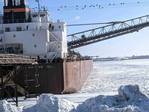
9 percent from the previous year. 1 percent decline below the fleet's five-year average. 8 percent and coal cargos declining by 12 percent.
7 percent compared to last year. 1 percent respectively. 1 percent, however.
The Great Lakes freighter fleet has been experiencing a decline in cargo volume over the past few years. This trend is likely due to various factors such as changes in global demand, increased competition from other modes of transportation, and environmental regulations. As a result, shipping companies must adapt to these changes and find new ways to optimize their operations.

-flag shipping on the Great Lakes has significant implications for the economy and the environment. With fewer ships carrying cargo, there is less risk of spills and pollution, but also reduced economic activity in ports and communities along the lake. -flag shipping on the Great Lakes is a concerning trend that requires careful analysis and planning to mitigate its effects.
The long-term average for dry-bulk cargo carriage on the Great Lakes has been steadily declining over the past few years, with some fluctuations. This downward trend is likely to continue unless steps are taken to address the underlying causes of this decline. -flag shipping on the Great Lakes to identify opportunities for growth and improvement.
The decline in U.S.-flag shipping on the Great Lakes is a concerning trend that highlights the need for the industry to adapt to changing market conditions and environmental regulations. To mitigate its effects, shipping companies must invest in more efficient technologies and strategies to optimize their operations.