


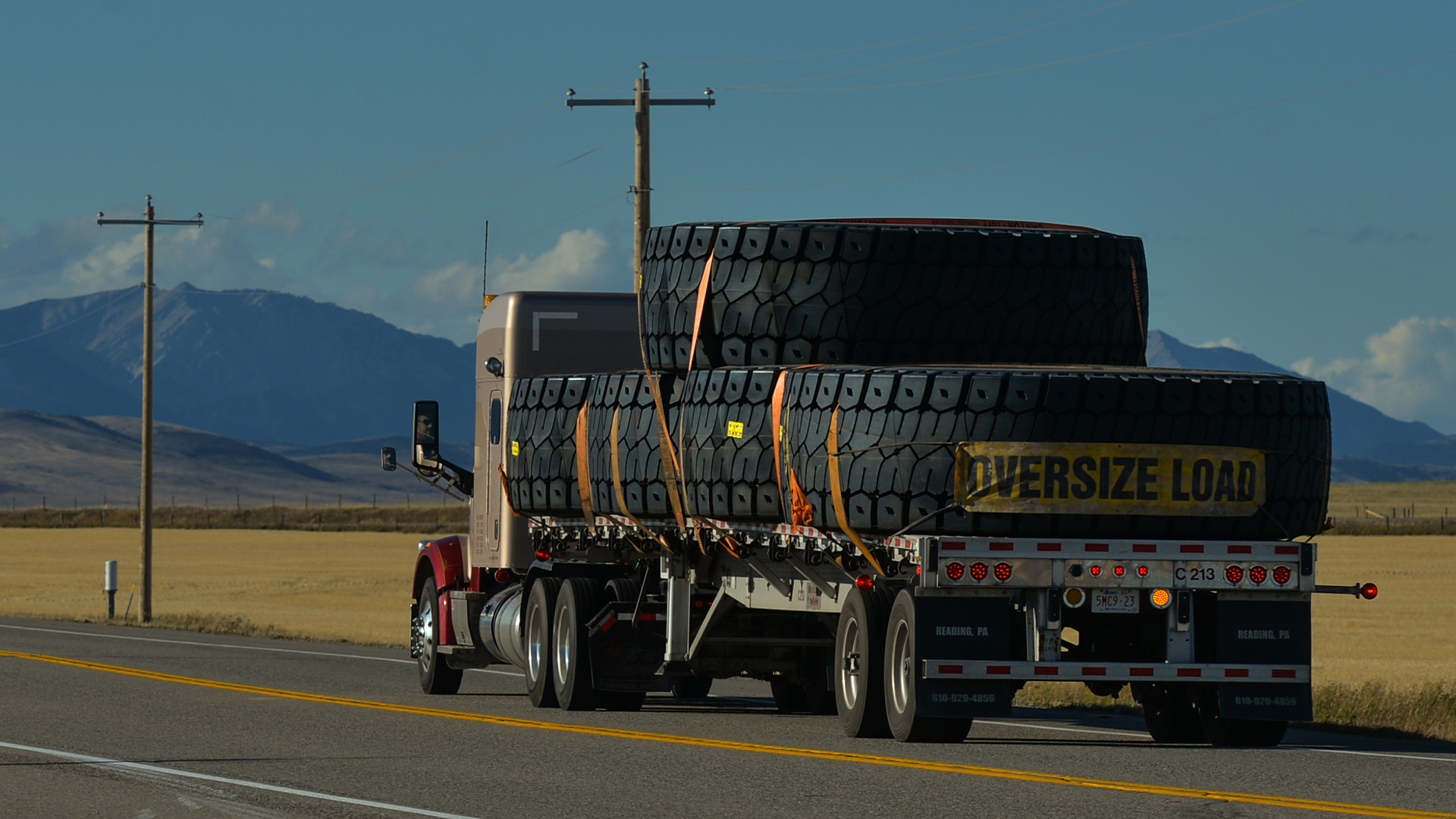
The debate over allowing heavier semi trucks weighing 90,000 pounds or more on US roads has been ongoing for decades. R.
S. House of Representatives proposing a pilot program to increase max tractor-trailer weights from 80,000 pounds to 91,000 pounds on six-axle combinations.
The proposal aims to move more freight at once, but it has sparked concerns about the impact on local bridges and infrastructure. Freight logistics are complex, and finding ways to haul cargo efficiently while being mindful of the country's aging infrastructure is a delicate balance.

6 billion. On the other hand, proponents argue that heavier trucks can reduce road wear and diesel emissions.
However, the issue is complicated by the fact that trucks often have to cross bridges belonging to municipalities that may not be able to upgrade them. Both sides will need to find solutions independently of each other as they vie for lawmakers' support.
The debate highlights the need for a nuanced approach to freight logistics that takes into account both efficiency and infrastructure concerns.
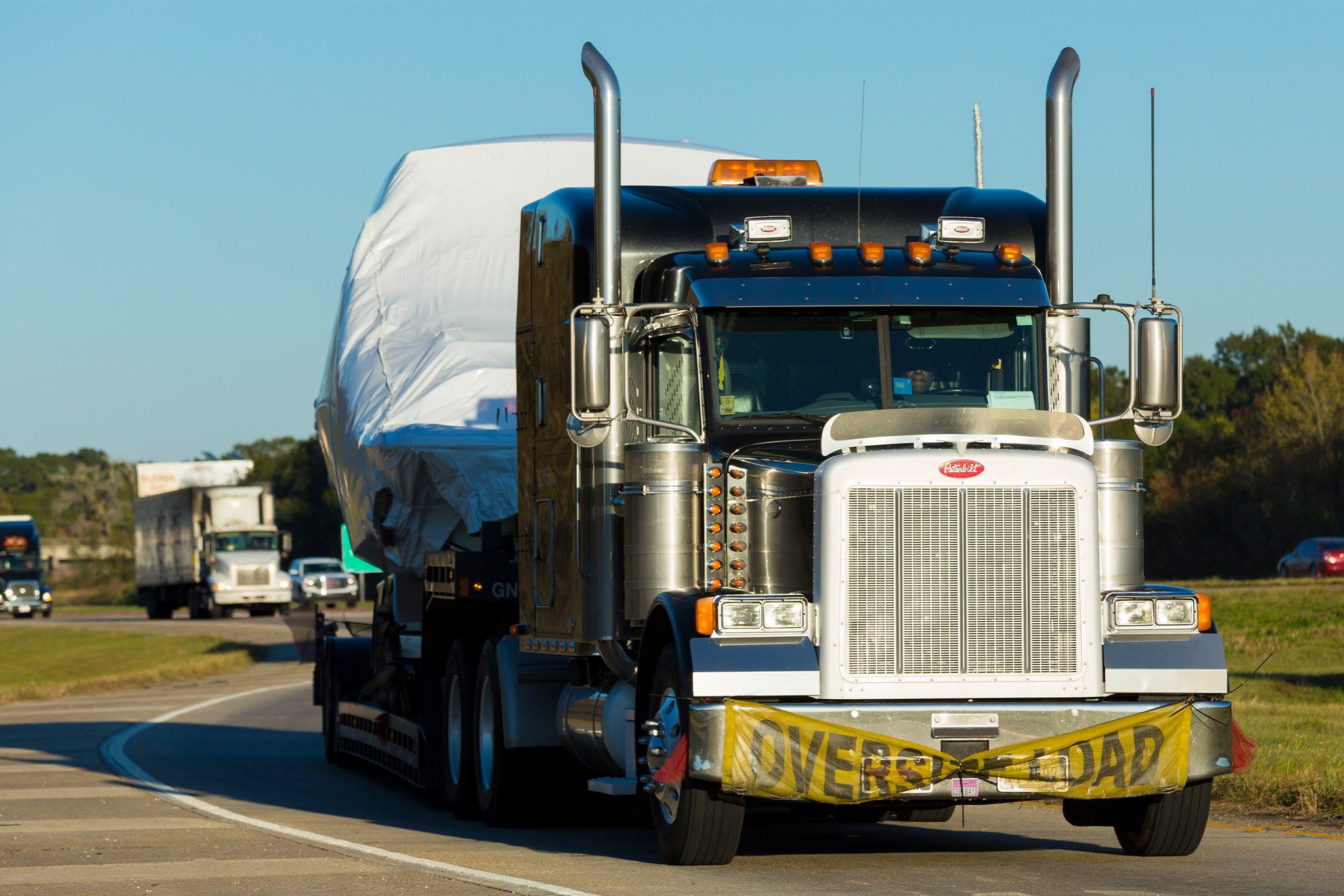
The debate over heavier semi trucks weighing 90,000 pounds or more on US roads is a classic case of competing priorities. On one hand, increasing weight limits could lead to significant cost savings by reducing the number of trucks needed to move the same amount of freight. However, this comes at the cost of potentially straining local infrastructure, particularly bridges. As we navigate this complex issue, it's essential to consider the long-term implications and explore innovative solutions that balance efficiency with infrastructure concerns.


