
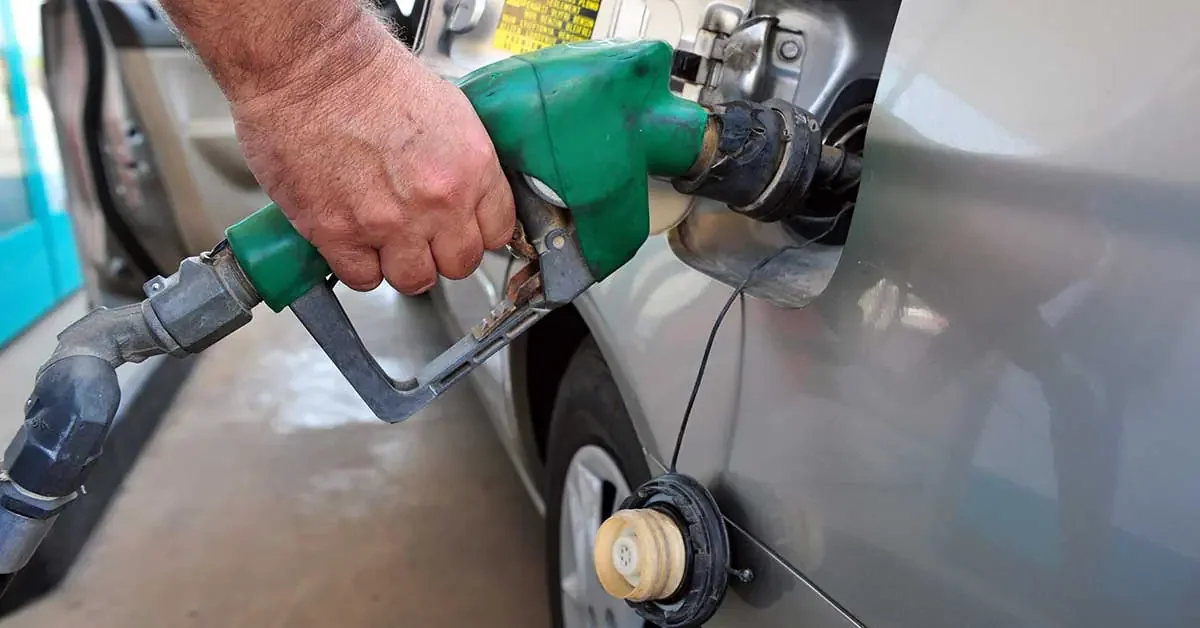
The recent surge in gas prices has sent shockwaves through the economy, leading to a significant spike in inflation. According to the latest data, consumer prices rose 3.3% in March from a year earlier, marking the largest monthly jump in six decades. This sharp increase is largely attributed to the rising cost of gasoline, which has been driven by global events such as the Iran war. As a result, consumers are feeling the pinch, and the impact on inflation is being closely monitored by policymakers and economists alike.
The Labor Department reported that consumer prices rose 0.9% in March from February, the largest such increase in nearly four years. This significant jump in gas prices has had a ripple effect on other categories, with core prices rising 2.6% from a year earlier. However, it's worth noting that last month's core prices only rose modestly, suggesting that the impact of rising gas prices may not be as widespread as initially thought.
The Iran war has been a major contributor to the surge in gas prices, and its effects are being felt across the economy. As inflation's trajectory shifts further away from the Fed's 2% target, policymakers will need to reassess their approach to interest rates. With many Fed officials warning of a potential rate hike if inflation doesn't cool, it's clear that the central bank is taking the situation very seriously.
The impact of gas prices on consumer confidence and political sentiment cannot be overstated. As prices continue to rise, consumers are becoming increasingly wary of spending, and this can have far-reaching consequences for economic growth. The White House will also need to navigate these challenges, with rising costs posing a significant challenge to the administration's economic agenda.
The Fed's response to the surge in gas prices will be crucial in determining the trajectory of inflation. With interest rates likely to remain unchanged for months, policymakers are facing a difficult balancing act. If inflation doesn't cool, a rate hike may become necessary to bring it back under control.
As the situation continues to unfold, one thing is clear: the surge in gas prices has sent a powerful signal about the state of the economy. With inflation on the rise and interest rates likely to remain unchanged for months, policymakers will need to be prepared for a prolonged period of economic uncertainty.
The impact of the Iran war on global energy markets cannot be ignored. As tensions escalate, oil prices are expected to continue rising, which will only exacerbate the challenges facing policymakers. The Fed will need to keep a close eye on these developments and adjust its approach accordingly.
While some may argue that the surge in gas prices is a temporary blip, it's clear that its effects will be felt for months to come. As inflation continues to rise, policymakers will need to be prepared for a prolonged period of economic uncertainty. The Fed's response will be crucial in determining the trajectory of inflation and the state of the economy.
In conclusion, the surge in gas prices has sent shockwaves through the economy, leading to a significant spike in inflation. As policymakers navigate this challenging situation, it's clear that the impact of gas prices on consumer confidence and political sentiment cannot be overstated. The Fed's response will be crucial in determining the trajectory of inflation and the state of the economy.