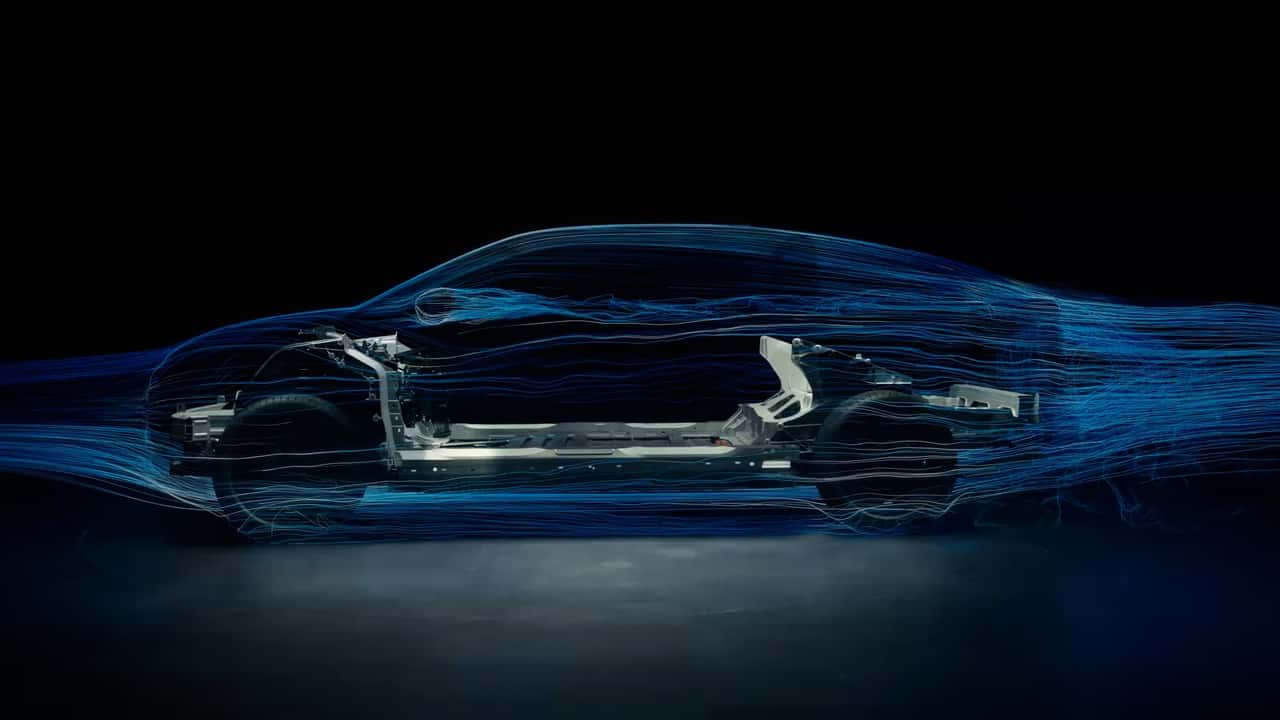

Toyota has published two related patents that could significantly impact its upcoming electric vehicles. The patents describe an electric vehicle with two rows of seats and integrated electromechanical units that can be rearranged to improve handling and interior space.
By moving powertrain components away from the large battery under the seats, Toyota may create a thinner space required for the battery, allowing for more design flexibility in passenger and cargo space. This could also enable the use of plug-in power in less-tall vehicles, such as sedans or hatchbacks.
Additionally, the patents include details related to a manual gear shift simulator for an electric vehicle, which may be an innovative solution for future EVs. While it's unclear whether these technologies will make it into production, patents can provide valuable insight into a company's R&D efforts and potential future innovations.

Toyota's experience with two-motor powertrains, such as the bZ Woodland, is also relevant to this development. As the automotive industry continues to shift towards electric vehicles, companies like Toyota are exploring new technologies to improve performance, efficiency, and design.
The benefits of these patents could be significant, but it's essential to note that patents do not guarantee production, and further testing and validation are needed before any technology can be confirmed.
These patents demonstrate Toyota's commitment to innovation in electric vehicle design, particularly in terms of improving interior space and handling. By exploring new ways to integrate powertrain components, Toyota may be able to create more efficient and versatile EVs that appeal to a wider range of customers.