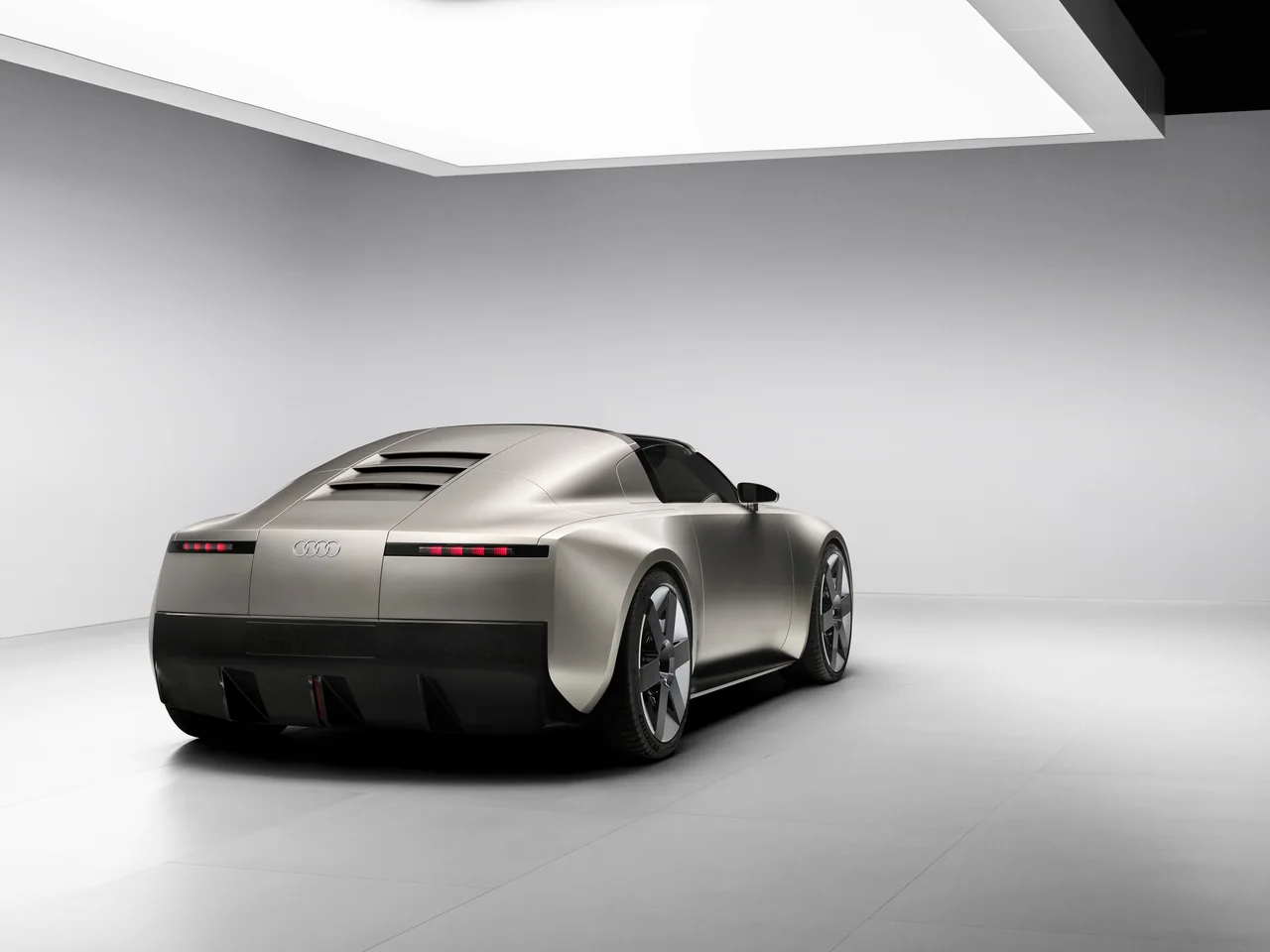
Automotive manufacturer Audi has reaffirmed its commitment to building an electric sports car, regardless of whether Porsche decides to proceed with its own 718 EV model or not. The concept car, known as the Concept C, was previewed last year and is being developed on the same platform as Porsche's electric 718 models. This shared platform will enable Audi to enter production in 2027, marking a significant milestone for the company's electric vehicle program.
Audi's decision to press forward with its electric sports car is a testament to the brand's focus on innovation and sustainability. The company's CEO, Gernot Döllner, has confirmed that the delivery of the platform by Porsche is not in question, despite mounting financial losses for Porsche's EV business and a retracting market for EVs in the United States.
The internal letter from Döllner to employees suggests a strong collaboration between Audi and Porsche teams, with both companies working together on the shared platform. This cooperation highlights the growing importance of partnerships and collaborations within the automotive industry as manufacturers navigate the challenges of electric vehicle production.

However, it's worth noting that Porsche's financial struggles and market uncertainty have raised questions about the company's commitment to its electric sports car program. The recent meeting between Porsche executives to discuss the 718 EV's fate has left many wondering about the future of this model.
The departure of Oliver Blume as Porsche CEO and the subsequent appointment of Michael Leiters have also contributed to the uncertainty surrounding the 718 EV program. As a result, it remains unclear whether Porsche will ultimately decide to proceed with production or cancel the project altogether.
Audi's decision to move forward with its electric sports car is a bold move that underscores the brand's commitment to sustainability and performance. By developing its own electric sports car on the same platform as Porsche's 718 EV models, Audi is well-positioned to capitalize on the growing demand for eco-friendly vehicles.

The shared platform between Audi and Porsche will enable the company to take advantage of economies of scale and reduce development costs. This strategic decision highlights the importance of collaboration and partnership within the automotive industry.
As consumers increasingly prioritize sustainability and performance in their vehicle choices, manufacturers must adapt their strategies accordingly. Audi's commitment to electric sports cars is a key aspect of this shift, and the company's decision to press forward with its program is a positive step towards a more sustainable future.
Audi's electric sports car is set to enter production in 2027, marking an exciting milestone for the brand's electric vehicle program. With Porsche's uncertain future looming over the project, it remains to be seen whether Audi will ultimately benefit from or be impacted by its decision.
Regardless of the outcome, Audi's commitment to sustainability and performance is a clear indication that the company is dedicated to leading the charge in the automotive industry's transition towards electric vehicles. As consumers continue to prioritize eco-friendliness and performance, manufacturers like Audi will play a crucial role in shaping the future of the industry.
Audi's decision to move forward with its electric sports car program highlights the growing importance of sustainability in the automotive industry. By prioritizing eco-friendly vehicles, manufacturers can tap into the growing demand for environmentally responsible transportation options.
The decision by Audi to move forward with its electric sports car, despite Porsche's potential cancellation of the 718 EV, highlights the growing importance of sustainability in the automotive industry. As consumers increasingly prioritize eco-friendliness and performance, manufacturers must adapt their strategies accordingly.