
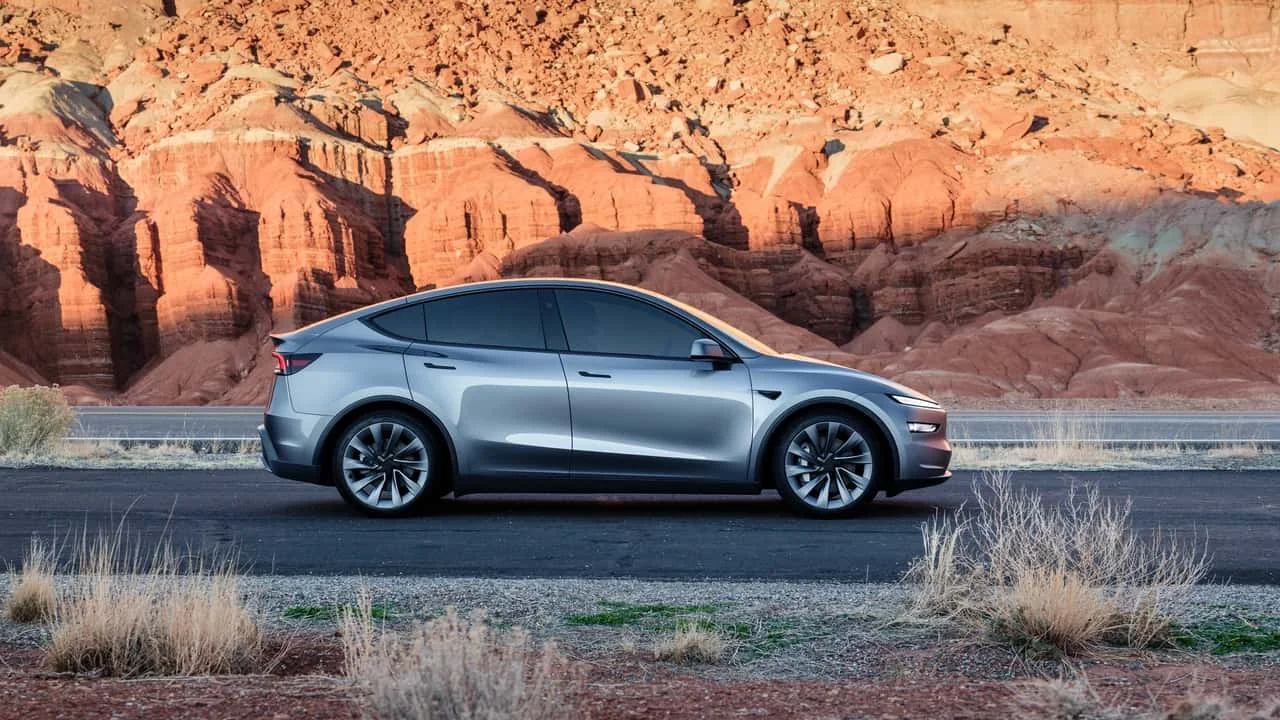
Tesla Inc.'s U.S. sales plummeted in the first quarter of the year, marking a significant decline from previous periods. According to recent data, the electric vehicle manufacturer reported a substantial drop in its Q1 sales, which has raised concerns about the overall health of the EV market. Despite this downturn, Tesla managed to maintain its market share, a testament to the brand's resilience and loyal customer base.
The decline in Tesla's U.S. sales can be attributed to various factors, including increased competition from other electric vehicle manufacturers and rising prices for EVs. As more models enter the market, consumers are faced with an array of options, making it challenging for individual brands to stand out. Additionally, the high cost of EVs continues to deter some potential buyers.
Tesla's Q1 sales figures reveal a stark contrast between the company's performance and that of its competitors. While Tesla's sales declined, other electric vehicle manufacturers reported significant gains in the same period. This trend suggests that the market is becoming increasingly saturated, making it essential for companies to differentiate themselves through innovative features and competitive pricing.
The shrinking EV market poses a significant challenge for Tesla and other players in the industry. As consumers become more discerning, they are opting for alternative modes of transportation or waiting for prices to drop before making a purchase. This shift in consumer behavior is forcing manufacturers to reevaluate their strategies and adapt to changing market conditions.
Tesla's ability to maintain its market share despite declining sales is a notable achievement. The company's loyal customer base, combined with its strong brand recognition and reputation for delivering high-quality products, have enabled it to weather the storm. However, this success comes at a cost, as Tesla's focus on maintaining market share may lead to compromises in other areas, such as product development and innovation.
The Q1 sales data also highlights the importance of regional differences in the EV market. While Tesla's U.S. sales declined, the company reported significant gains in international markets. This trend suggests that Tesla is benefiting from its global presence and ability to cater to diverse customer needs.
As the EV market continues to evolve, manufacturers must prioritize innovation and sustainability to remain competitive. The increasing adoption of autonomous driving technologies and advancements in battery technology will play a critical role in shaping the future of the industry. Companies like Tesla are well-positioned to capitalize on these trends, but others may struggle to keep pace.
The Q1 sales figures serve as a reminder that the EV market is still in its early stages of development. As consumers become more familiar with electric vehicles, they will begin to make more informed purchasing decisions. Manufacturers must be prepared to adapt to changing consumer preferences and technological advancements to ensure long-term success.
In conclusion, Tesla's Q1 sales decline serves as a cautionary tale for the EV market. While the company maintained its market share, the overall trend suggests that the industry is facing significant headwinds. As manufacturers navigate this challenging landscape, they must prioritize innovation, sustainability, and customer satisfaction to remain competitive in the years to come.
The EV market is facing significant headwinds, and Tesla's performance is a reflection of this trend.