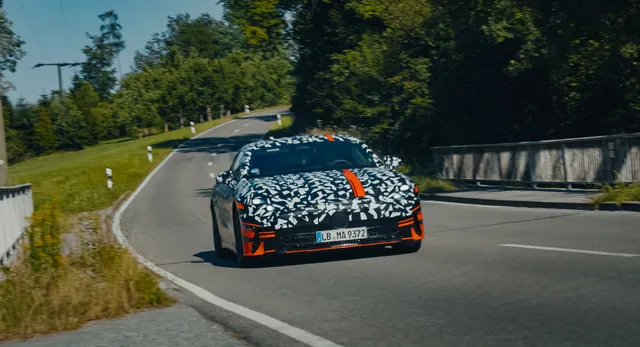

Leading global battery maker CATL and Changan Automobile unveiled the world’s first passenger EV powered by a sodium-ion battery on Thursday. The vehicle showcased was the Changan Nevo A06 (also known as the Qiyuan A06), but CATL will supply sodium-ion batteries for all Changan brands, including Qiyuan, Deepal, Avatr, and Uni. The company achieves an energy density of up to 175 Wh/kg with its “Naxtra” sodium-ion batteries, putting it on par with lithium iron phosphate (LFP) batteries.
Passenger EVs will use the same 45-kWh sodium-ion battery pack, which delivers up to 400 km (248 mi) of range. As the new battery tech advances, the Chinese EV battery giant expects range to improve to around 500-600 km (310-372 mi). Sodium-ion batteries offer a lower-cost alternative to lithium-ion batteries, with CATL citing improved resilience and wider operating temperature ranges.
The new technology is also safer and less flammable than traditional lithium-ion batteries. With lithium prices rising, CATL is investing heavily in sodium-ion batteries to combat the price surge. The company aims to bring sodium-ion battery energy densities on par with LFP within the next three years.

In 2025, sodium-ion battery shipments reached 9 GWh, up 150% from 2024. Over the next four years, that number is expected to reach over 1,000 GWh. CATL expects 2026 to be a turning point for the new battery tech with plans to launch its first sodium-ion battery EV by mid-year.
The introduction of sodium-ion batteries could significantly disrupt the EV market, offering a more sustainable and cost-effective alternative to traditional lithium-ion batteries. As the technology continues to advance, we can expect to see even greater improvements in range and performance.