
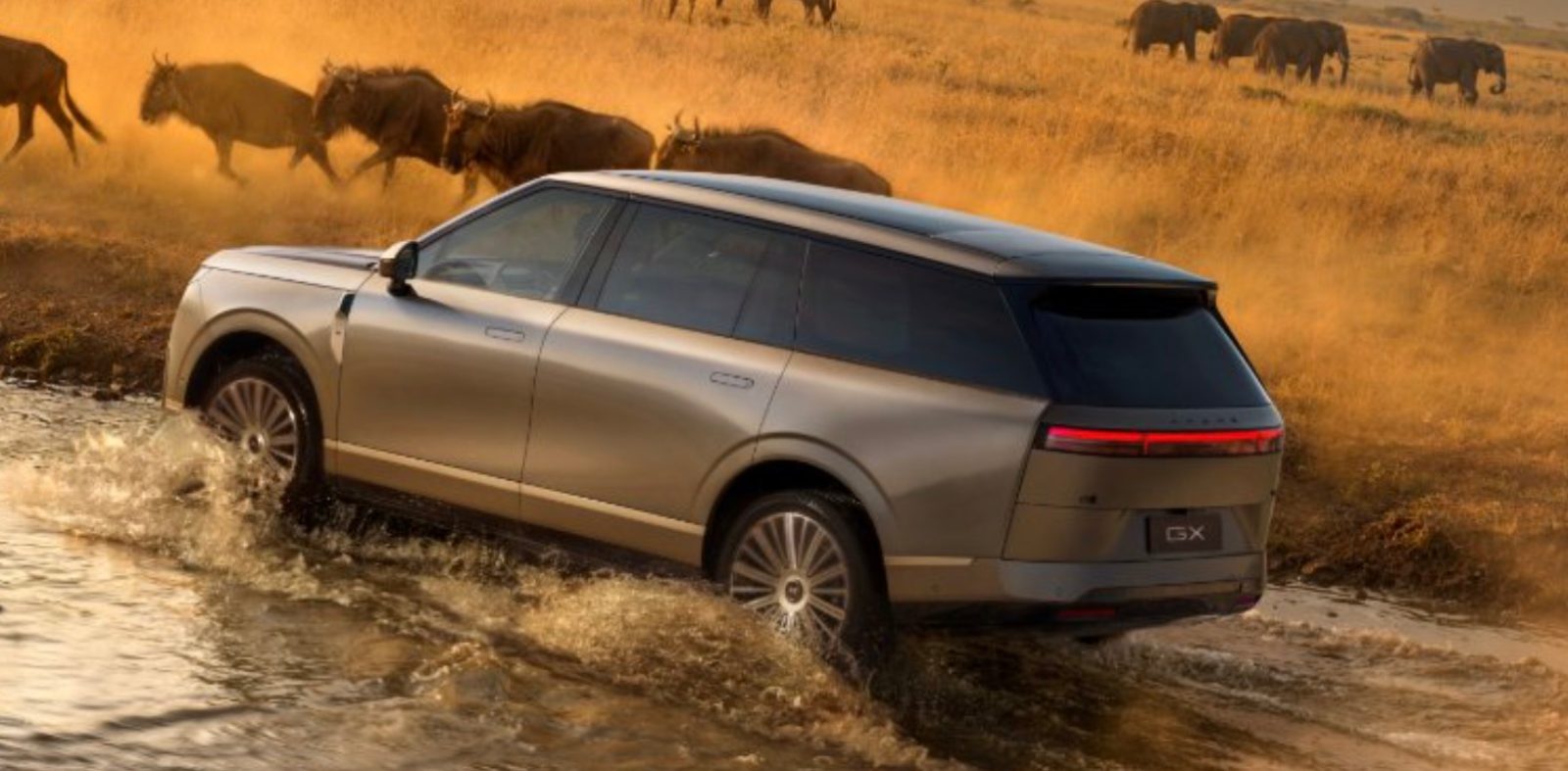
Chinese EV maker Xpeng has unveiled the first official images of its new flagship six-seat SUV, the GX. The GX takes clear design inspiration from the Range Rover while packing the company's most advanced technology yet. The exterior styling makes no attempt to hide its Range Rover influence, featuring slanted A and B pillars and a split two-piece tailgate design.
However, where the Range Rover relies on traditional engineering, the GX leans heavily into Xpeng's tech-forward approach. 0 'physical AI vehicle architecture' and features retractable door handles, a design element China is banning starting January 2027 over safety concerns. The GX aims to solve what Xpeng calls the 'impossible triangle' of comfort, space, and handling, delivering all three in a package that works for both daily city commuting and long family trips.
' While Xpeng hasn't confirmed powertrain details, the GX is expected to offer both pure battery-electric and extended-range electric variants. The EREV version is expected to deliver over 1,000 km of combined range, addressing one of the biggest remaining concerns for EV buyers in China. The GX will be Xpeng's most expensive model, positioned above the G9, with pricing falling between 400,000-500,000 yuan ($57,600-$72,000).
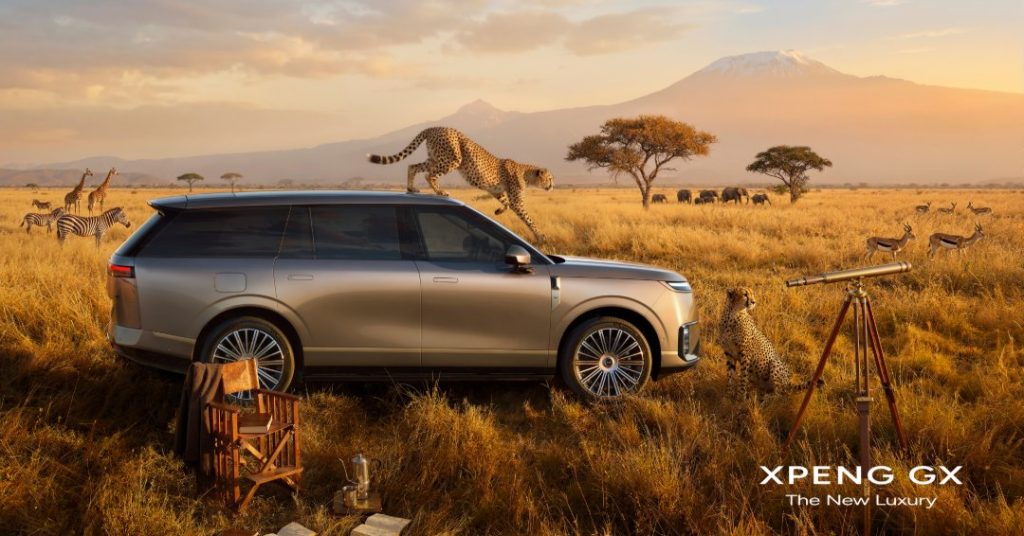
The full reveal is expected at the Beijing Auto Show in late April 2026, with China's MIIT homologation filing likely to expose detailed specifications soon. Xpeng is making a bold move here, as the premium three-row SUV segment in China is brutally competitive, with every major EV maker fighting for affluent family buyers. The GX's technology stack, including steer-by-wire, rear-wheel steering, and AI-powered chassis control, sets it apart from its rivals.
If Xpeng can deliver on the 'impossible triangle' promise while keeping the price competitive, this could be a serious hit.
Xpeng's GX is an ambitious attempt to solve the 'impossible triangle' of comfort, space, and handling in a premium three-row SUV. The company's tech-forward approach and advanced features like steer-by-wire and AI-powered chassis control will likely appeal to affluent family buyers in China.