Virgin Atlantic has announced a significant shift in its plans to equip its aircraft with Starlink Wi-Fi connectivity. The airline had initially targeted the third quarter of this year for the introduction of the system, but it now aims to bring forward the launch date to May. This move marks an accelerated pace for Virgin Atlantic as it seeks to capitalize on the growing demand for in-flight connectivity services.
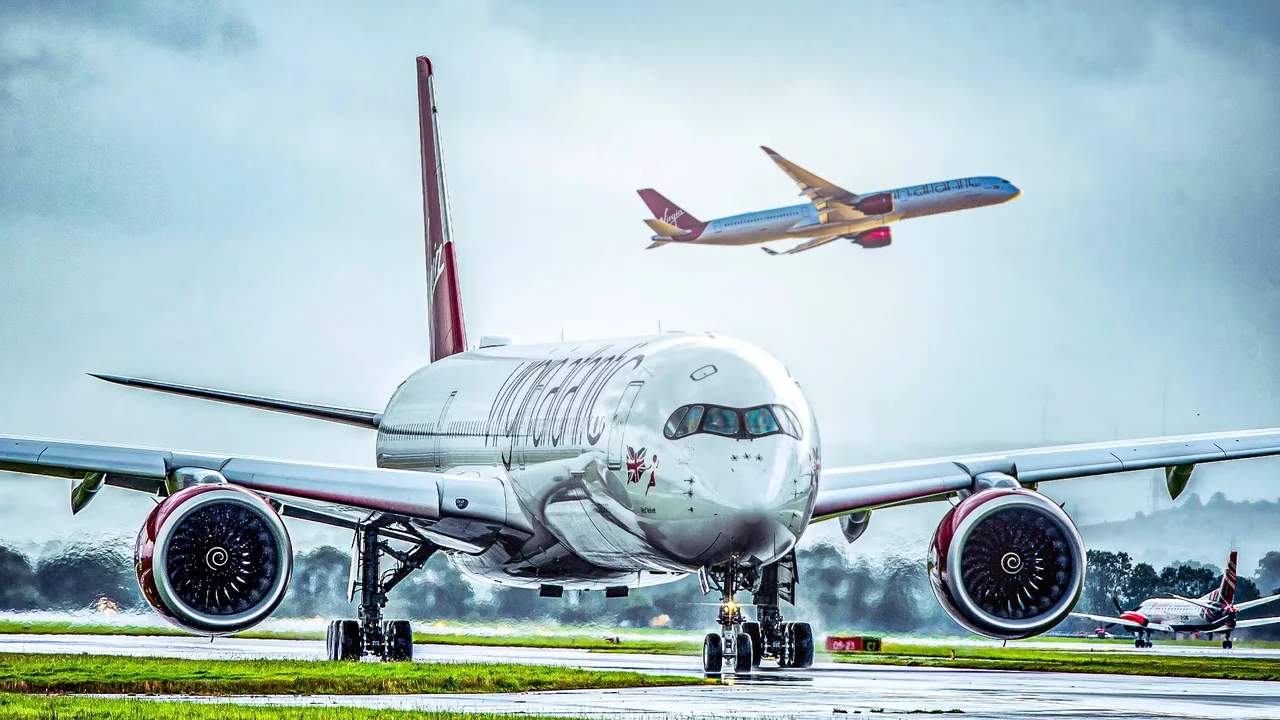
The first aircraft type to receive Starlink in the Virgin Atlantic fleet will be the Airbus A350, before it is rolled out onto the remaining widebody aircraft in its fleet. The airline's decision to prioritize the A350 reflects its commitment to providing a seamless and high-quality passenger experience across all its routes.
Virgin Atlantic has revealed that it had originally planned to introduce Starlink Wi-Fi in June 2025, becoming the first UK-based airline to partner with Starlink. However, the airline has now accelerated its plans, aiming to have its first aircraft equipped with the system and operating by early May.

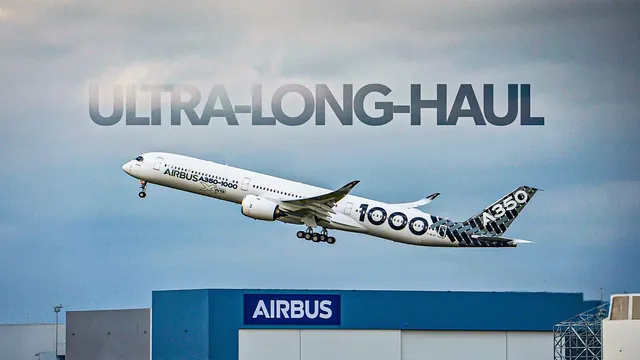
The carrier states that the first of its aircraft to be equipped with Starlink will be an Airbus A350-1000 aircraft, and the first flight equipped with the system will operate between London Heathrow Airport (LHR) and New York JFK Airport. This flagship route is a testament to Virgin Atlantic's commitment to providing exceptional in-flight connectivity services.
The airline aims to have all its aircraft equipped with Starlink by the end of 2027, marking a significant milestone in its efforts to enhance passenger experience and stay competitive in the market.
British Airways has already taken the lead in introducing Starlink Wi-Fi on board its flights, operating its first flight with the system on March 19. The airline's decision to roll out the service across its entire fleet reflects its commitment to providing a premium passenger experience.

The rollout of Starlink connectivity on board British Airways flights is part of the International Airline Group (IAG)'s wider plan to introduce the service across all its member airlines. This includes Iberia, Aer Lingus, LEVEL, and Vueling, with access to the service being free for passengers flying with these airlines.
However, IAG's low-cost carriers - LEVEL and Vueling - will charge a fee from their passengers who wish to access the onboard Starlink Wi-Fi. This move is intended to offset any potential costs related to additional weight on board the aircraft.
The introduction of in-flight Wi-Fi services is becoming increasingly important for airlines as they look to enhance passenger experience and stay competitive in the market. As more airlines adopt this technology, we can expect to see improved connectivity and convenience for air travelers.

The rollout of in-flight Wi-Fi is becoming increasingly important for airlines looking to enhance passenger experience and stay competitive.