

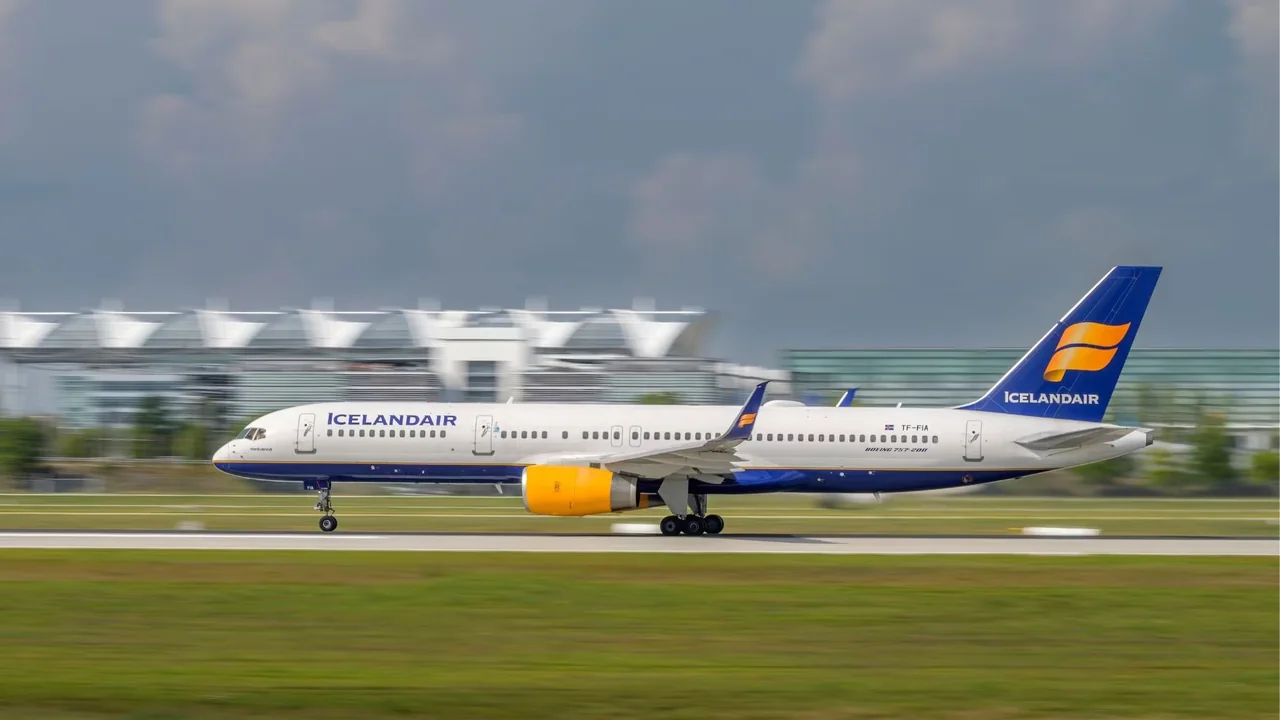
The aviation world was left stunned after a veteran pilot's unauthorized low-altitude flyover during his final commercial flight. On April 11, 2026, Icelandair Flight TF-ISR from Frankfurt Airport to Keflavik International Airport took an unexpected turn as the aircraft descended to approximately 328 feet above ground level over Vestmannaeyjar. The maneuver, which raised immediate safety concerns, was reportedly carried out by a retiring pilot who wanted to bid farewell to his hometown in a personal gesture.
The incident has drawn significant attention due to the apparent lack of authorization and the unusual low altitude. While farewell gestures are not unheard of in aviation, they are typically pre-approved and conducted within strict operational limits. This case highlights how even experienced pilots can fall short of adhering to safety protocols.
As the aircraft passed overhead, residents in the area reportedly experienced noticeable noise and vibration. The maneuver was not part of the approved flight plan, and its low altitude posed significant risks to passengers and people on the ground. Aviation regulators will assess whether the pilot breached safety regulations or endangered anyone during the incident.

Icelandair has launched an internal investigation into the matter and formally referred it to law enforcement authorities. The airline stated that such actions are treated with severity due to the potential risks involved. The outcome could include penalties or further legal consequences, even after the pilot's retirement.
The incident serves as a reminder of the importance of adhering to strict operational frameworks in commercial aviation. Even minor deviations from standard procedures can have severe consequences. Aviation regulators will closely monitor this case to ensure that safety protocols are upheld and that such incidents do not recur.
In the world of commercial aviation, pilots are bound by tightly controlled rules governing altitude, routing, and pilot discretion. Unauthorized low passes are rare in commercial service due to the inherent risks involved. This incident highlights how even experienced pilots must operate within these strict guidelines.

Airlines and regulators generally discourage unsanctioned actions, especially when passengers are onboard. In recent years, there have been past instances of pilots performing symbolic gestures such as wing waves or low approaches, but these are usually coordinated in advance and executed within safe margins.
The incident has sparked a renewed focus on the importance of safety protocols in aviation. As the industry continues to evolve, it is essential that pilots, airlines, and regulators work together to ensure that safety remains the top priority.
As the investigation into this incident unfolds, it will be crucial to determine whether any safety regulations were breached or if the pilot's actions put anyone at risk. The outcome of this case will serve as a reminder of the importance of adhering to strict operational guidelines in commercial aviation.