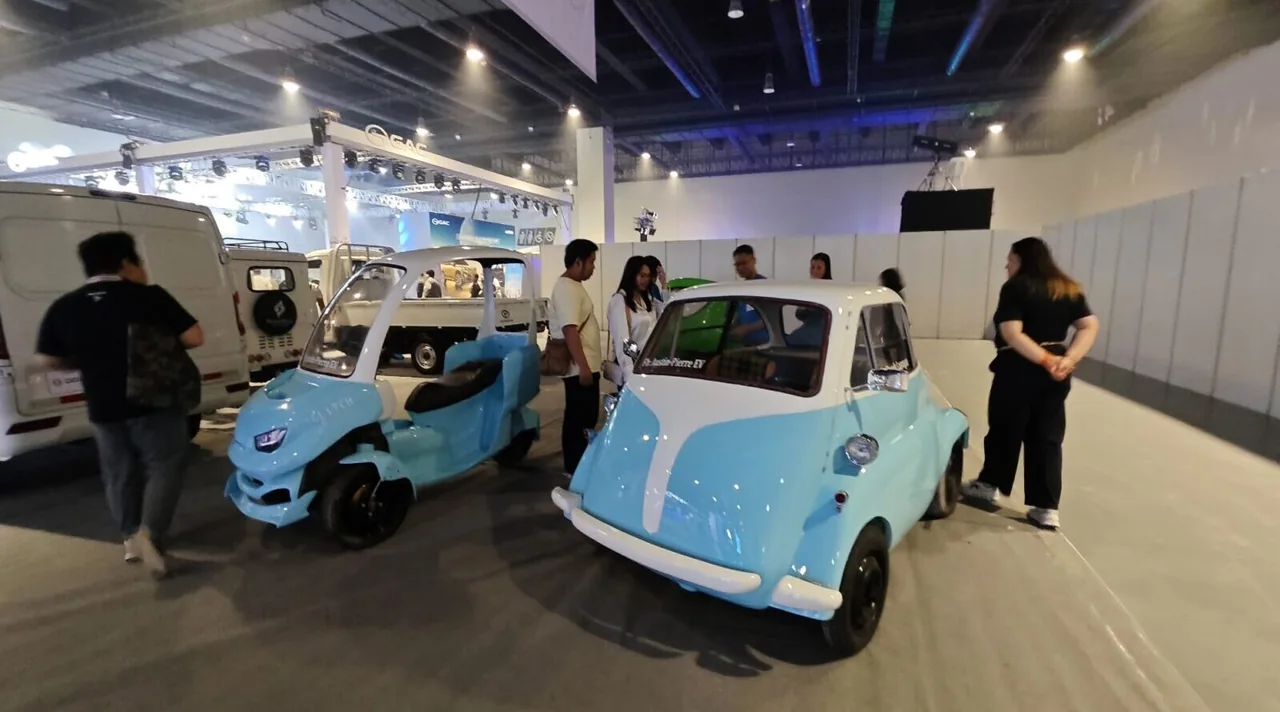
The world of high-performance automotive engineering demands precision and attention to detail. Adonis Lagangan, founder of Austin-Pierre Motor Vehicle Manufacturing, has spent years honing his skills in elite coachbuilding, mastering techniques such as crafting 'Class-A surfaces' and achieving aerodynamic symmetry. These standards have been essential in building the fiberglass shell of the original British Keating TKR supercar, capable of reaching speeds of over 400 km/h (~248 mph).
However, Lagangan's focus has shifted from high-performance sports cars to a more practical goal: reducing the Philippines' dependence on imported, inefficient transport. As a coach-building startup, he aims to prove that local talent can create electric vehicles designed for Filipino roads and conditions.
Lagangan's journey began with a mechanical engineering degree and a decade at Mitsubishi Heavy Industries, where he developed his skills in disciplined systems engineering and documentation. His experience laid the groundwork for his future endeavors, including the creation of the Genius MUV (Micro Utility Vehicle), which initially ran on internal combustion engines.
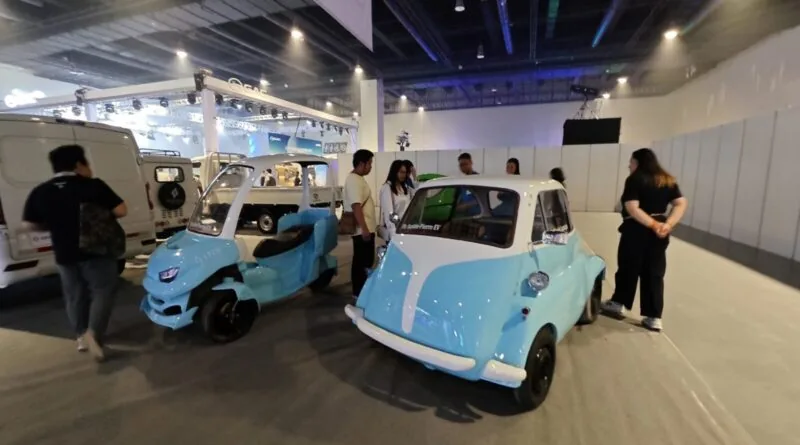
The turning point came when affordable EV components became available, allowing Lagangan to explore electric technology. He realized that electric vehicles were the future, driven by declining battery costs and increasing environmental concerns.
During the COVID-19 pandemic, Lagangan turned his living space into a design lab, utilizing 3D CAD software to virtually test fitment and ergonomics for his projects. This approach reduced the need for costly trial and error, enabling him to move forward with his designs more efficiently.
The Genie E-Trike, a modular platform designed for last-mile commuting in the Philippines, is one of Lagangan's notable creations. The wooden body patterns were developed during lockdown, showcasing his ability to adapt to challenging circumstances and innovate.
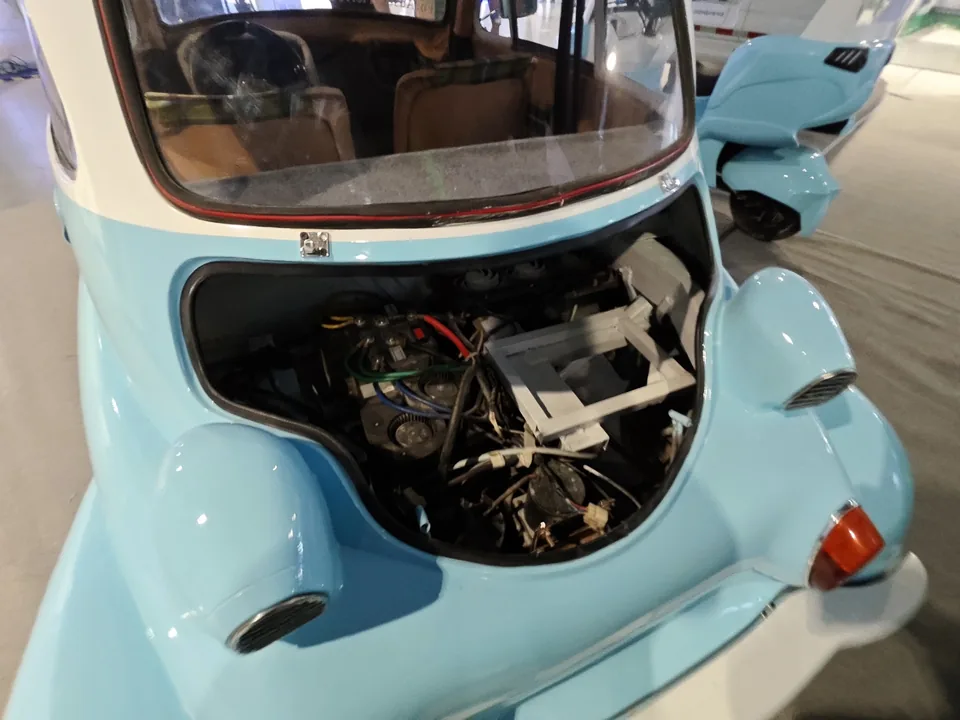
Lagangan sees the Philippine market as an opportunity to differentiate his products from imported EVs, which often struggle with the country's unique climate and intense duty cycles. By focusing on durability, local serviceability, and long-term value, he aims to create a loyal customer base.
By targeting e-trikes and logistics vehicles, Lagangan is practicing 'capital efficiency,' reducing development costs while achieving significant social and environmental benefits. These vehicles are the backbone of Philippine commerce, and electrifying them can help meet national carbon reduction goals.
The startup's mission is to create a cleaner transportation ecosystem in the Philippines, one that prioritizes sustainability and local expertise. As Lagangan continues to innovate and expand his product line, he remains committed to making a positive impact on the country's transport sector.
By focusing on e-trikes and logistics vehicles, the startup aims to create a cleaner transportation ecosystem.