
Australia has taken steps to safeguard its urea supplies, which are at risk due to disruptions linked to the ongoing conflict in Iran. The country's Agriculture Minister, Julie Collins, has set up a government working group with the fertilizer industry to address this issue. This move aims to ensure a stable supply of urea, a key nitrogen fertilizer used to boost crop yields, and mitigate its impact on the economy.
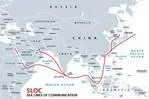
About 60% of Australia's urea exports pass through the Strait of Hormuz, a critical shipping route that remains constrained despite a US-Iran ceasefire that took effect in April. This has raised concerns about the potential disruption to energy markets, fertilizer trade, and vulnerable economies. The government is working with industry stakeholders to secure longer-term availability of urea.
Australia is among the world's largest exporters of wheat, beef, wool, and dairy, making it essential to maintain a stable supply of urea. The country has sufficient supplies in reserve and 'on the water,' but the government is taking proactive measures to address potential shortages. This includes working with industry partners to secure longer-term availability of urea.

Domestic production of urea is expected to begin in mid-2027 at the A$6.5 billion Perdaman Urea Plant in Western Australia's Pilbara region. This new facility will help reduce reliance on imports and provide a more stable supply of urea for domestic use.
The government has also warned that grocery prices may rise by 3% to 4% due to higher fuel and fertilizer costs linked to the conflict. Treasury estimates suggest that these price increases will have a significant impact on the economy, highlighting the need for proactive measures to mitigate this effect.
Australia is operating at level 2 of its four-tier National Fuel Security Plan, indicating that supplies are continuing but under pressure. The government is bracing for a 'long tail' of economic effects and working to shore up fuel supply, including Infrastructure Minister Catherine King's efforts to support agriculture and other industries.
Western Australia is considering building a separate diesel reserve to address concerns about national stockholding rules and ensure that supply reaches all regions during disruptions. This move aims to prioritize high-need areas and release diesel into tight-spot markets.
The federal government has launched an A$20 million campaign, 'Every Little Bit Helps,' to raise awareness of fuel price pressures and encourage households to reduce fuel use. This initiative highlights the government's commitment to supporting vulnerable households and businesses during this challenging period.
Meanwhile, the government is considering further measures to support households and businesses, including advancing renewable energy and electrification initiatives. Domestic production of low-carbon liquid fuels and sustainable aviation fuel are among these plans, which aim to reduce reliance on fossil fuels and mitigate the impact of price increases.