
The disruption to Saudi Arabia's East-West pipeline has been resolved, with the country successfully restoring its full pumping capacity of 7 million barrels a day. This vital link for oil exports via the Red Sea was damaged during a strike last week, which had reduced throughput by 700,000 barrels a day. The incident occurred hours after a ceasefire was declared in the Iran war, highlighting the ongoing security concerns in the region. The restoration of the pipeline is a testament to Saudi Aramco's operational resilience and crisis management efficiency.
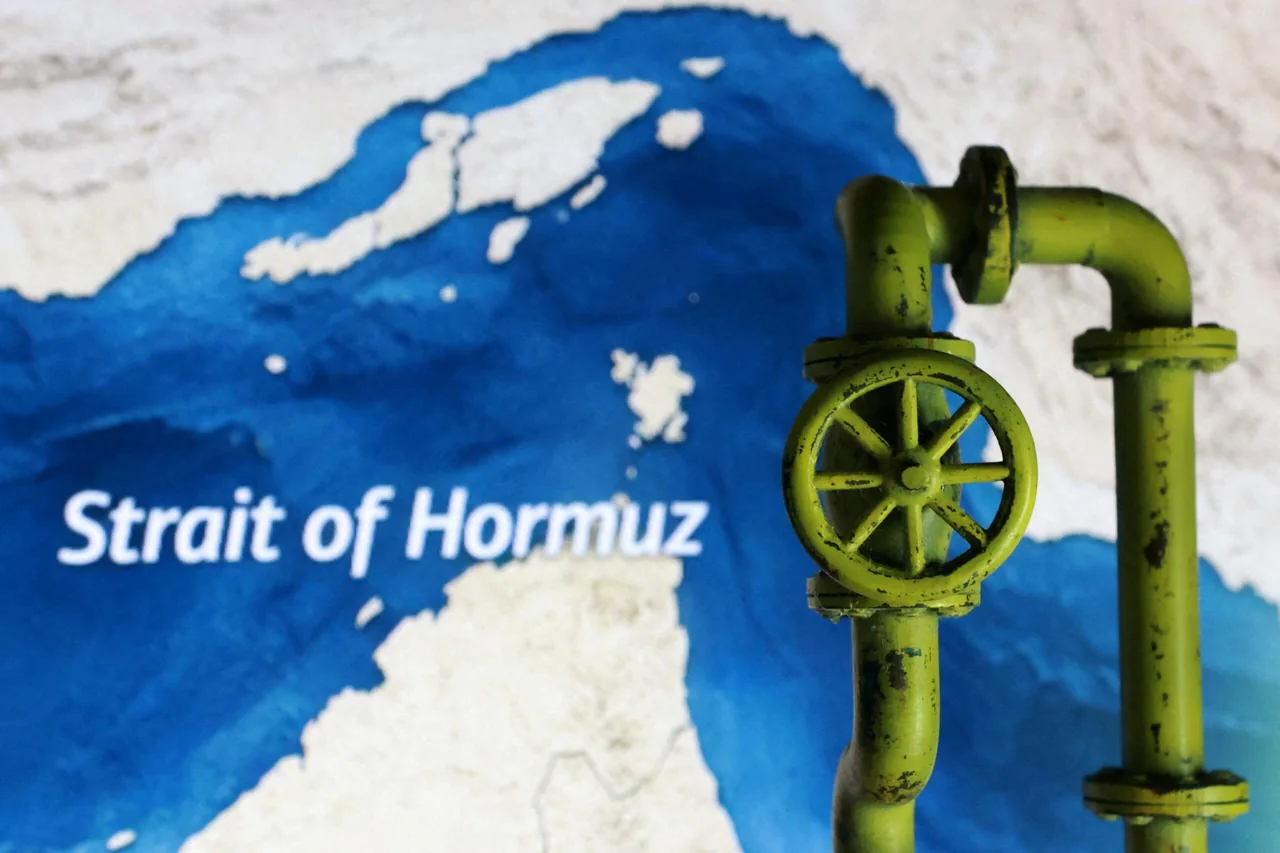
The East-West pipeline plays a crucial role in Saudi Arabia's oil exports, with crude shipments quadrupling from its Red Sea terminals since the end of February. This surge in production was necessary due to the near-total shutdown of the Strait of Hormuz, which had significantly impacted global oil supplies. The restored pipeline is expected to alleviate some pressure on this critical waterway.
Saudi Aramco's offshore Manifa oil production facility has also been restored, although work continues at the Khurais onshore complex. Attacks on these facilities had previously cut production capacity by about 300,000 barrels a day each. The restoration of Manifa and Khurais is seen as a significant step towards enhancing the reliability and continuity of supplies to local and global markets.
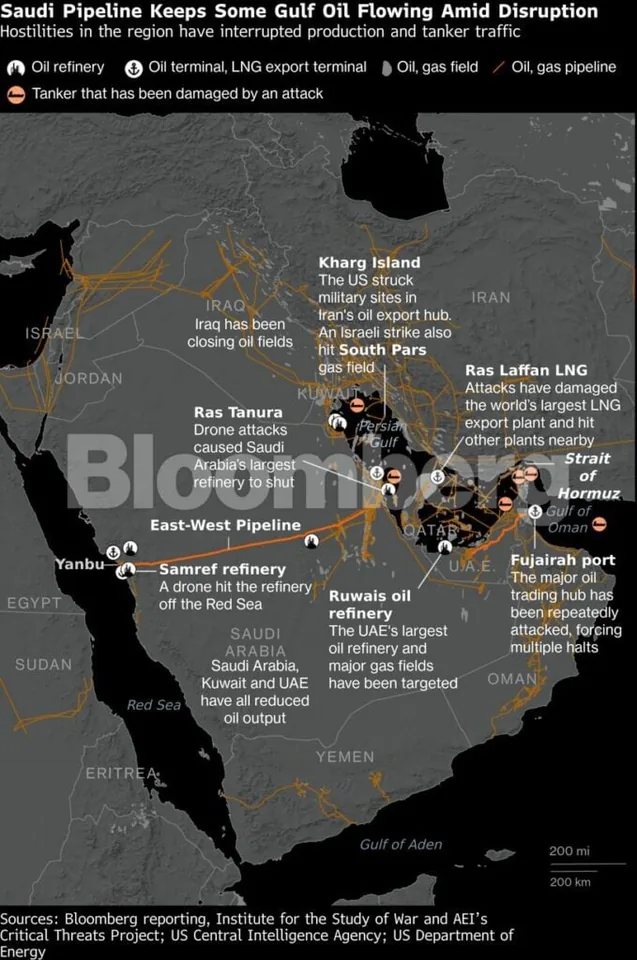
The type of light crude produced at Khurais was being pumped through the East-West pipeline, while Manifa and Aramco's other offshore deposits generally pump thicker and heavier barrels. The restored pipeline is expected to provide a stable supply of these lighter crudes, which are in high demand by refineries around the world.
The restoration of the East-West pipeline is a significant development for the global oil market, ensuring a stable supply of crude oil. This is particularly important given the ongoing volatility in global energy markets and the increasing demand for oil from emerging economies.
Saudi Arabia's energy ministry has praised the operational resilience and crisis management efficiency of Saudi Aramco and the kingdom's energy ecosystem as a whole. This reflects the company's ability to quickly respond to disruptions and restore production capacity.
The restored pipeline is also seen as a boost to Saudi Arabia's reputation as a reliable oil supplier. This is critical for the country's economy, which relies heavily on oil exports.
Despite the disruption, Saudi Aramco has continued to invest in its infrastructure and operations. The company's commitment to maintaining its production capacity is expected to ensure a stable supply of crude oil for years to come.
The restored East-West pipeline is an important reminder of the critical role that oil plays in the global economy. As the world continues to transition towards cleaner energy sources, the importance of reliable oil supplies will only continue to grow.
Overall, the restoration of the East-West pipeline is a positive development for the global oil market. It ensures a stable supply of crude oil and provides relief to refineries around the world that rely on this critical waterway.
The restored East-West pipeline is a significant development for the global oil market, ensuring a stable supply of crude oil.