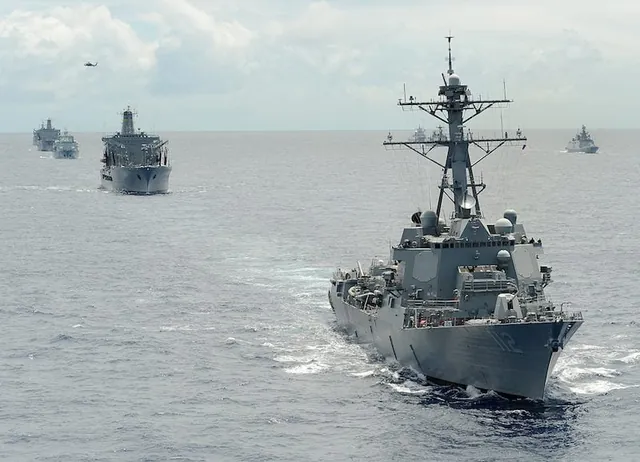
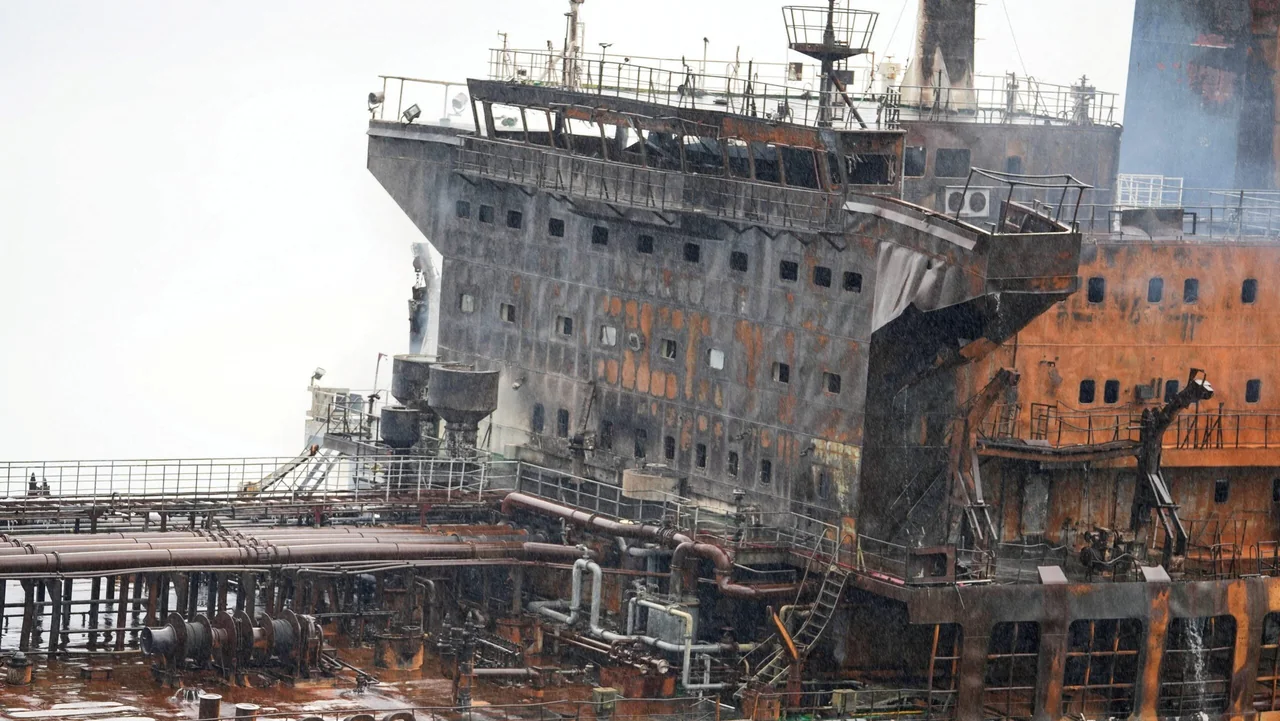
Gulf energy infrastructure has been severely impacted by missile and drone strikes, resulting in dozens of damaged refineries, oil fields, gas plants, ports, and other critical facilities. The attacks have occurred over six weeks, causing widespread disruption to global energy markets. As a result, the operational status of many sites remains unclear, with some restarting after temporary shutdowns but others still under repair or maintenance.
The recent conflict has highlighted the vulnerability of critical infrastructure in the Middle East, particularly in countries heavily reliant on oil exports. The attacks have also underscored the importance of international cooperation and diplomacy in resolving such conflicts, as senior US and Iranian officials meet in Islamabad to discuss a potential resolution.
A ceasefire was announced on April 7, but some incidents appear to predate this announcement, with Iran claiming that Israeli attacks on Lebanon breached the terms of the accord. The Saudi Press Agency has reported extensive recent attacks, including damage to refineries and gas-processing facilities, which were not previously listed.
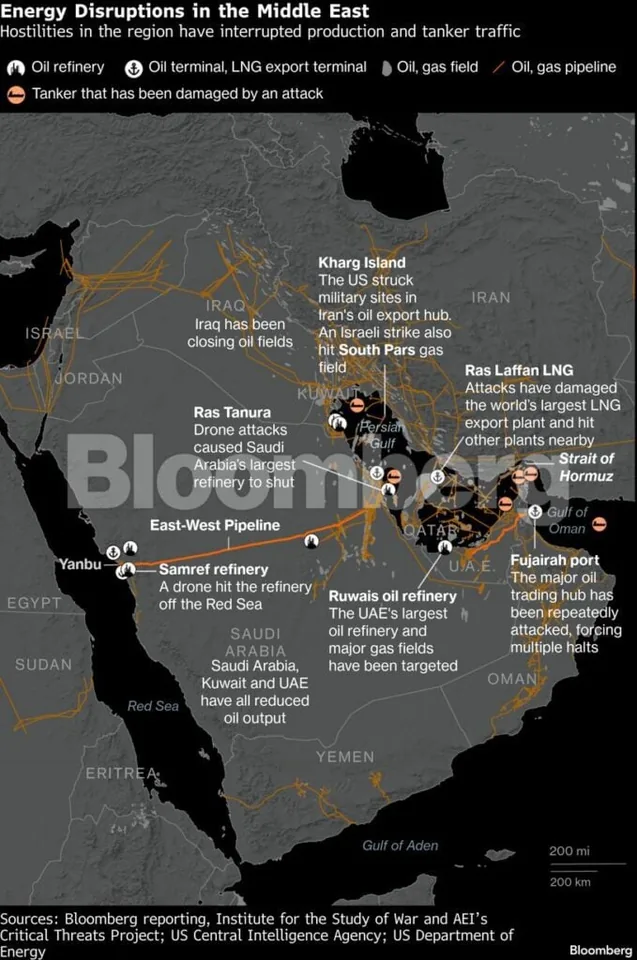
The operational status of many affected sites remains unclear, with some restarting after temporary shutdowns but others still under repair or maintenance. This lack of clarity is likely to continue until a more permanent resolution is reached, which could take weeks, months, or even years.
The damage to Gulf energy infrastructure has significant implications for global energy markets, particularly in terms of supply and demand. The Strait of Hormuz, a critical waterway for oil exports, is effectively shut, resulting in increased costs and reduced efficiency for ships navigating the region.
The ongoing conflict also highlights the importance of diversifying energy supplies and reducing reliance on a single region or supplier. As global energy markets continue to evolve, it is likely that countries will seek alternative sources of energy and invest in new infrastructure to mitigate such risks.
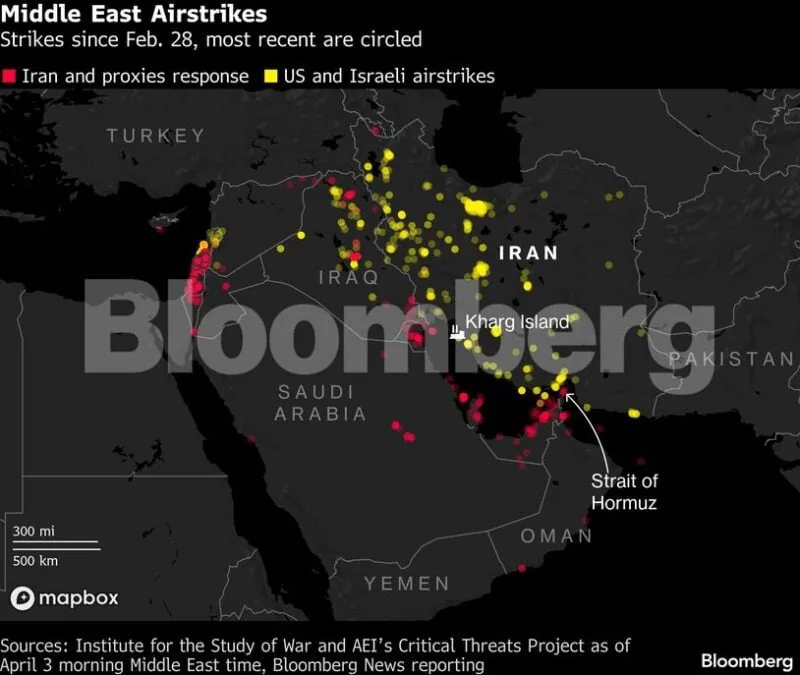
In addition to the economic implications, the damage to Gulf energy infrastructure has also raised concerns about regional stability and security. The conflict has highlighted the need for greater cooperation and diplomacy between nations to prevent similar disruptions in the future.
The international community is likely to continue monitoring the situation closely, with many countries expressing concern about the impact of the conflict on global energy markets. As a result, there may be increased pressure on both sides to reach a more permanent resolution.
The ongoing conflict in the Middle East serves as a reminder of the importance of investing in critical infrastructure and developing strategies for mitigating the risks associated with such disruptions. As the world continues to evolve, it is likely that countries will prioritize resilience and adaptability in their energy systems.
As the situation continues to unfold, one thing is clear: the damage to Gulf energy infrastructure has significant implications for global energy markets, and it will take time and effort to restore normal operations and ensure a stable supply of oil and gas.
The ongoing conflict in the Middle East has significant implications for global energy markets, with the Strait of Hormuz effectively shut and oil supplies disrupted.