
Wheel loaders are essential for various industries such as construction, quarrying, aggregates, and industrial applications. With their day-to-day lift-and-carry or load-and-dump work cycles seeming simple, selecting the right wheel loader for your job site and production targets can be complex due to numerous variables.
The basic design of wheel loaders comes in articulated or rigid frame designs, both compatible with a wide range of attachments. Articulated wheel loaders feature a centre-pivot design that allows the rear tires to follow the path of the front tires, particularly useful when working in confined spaces and around obstacles.
Rigid frame designs are most suitable for high-capacity environments, offering superior durability and high breakout forces. The size of a wheel loader is often top of mind for new buyers, with compact, medium, or large machines available depending on the type of work being done and job sites that it will be used on.
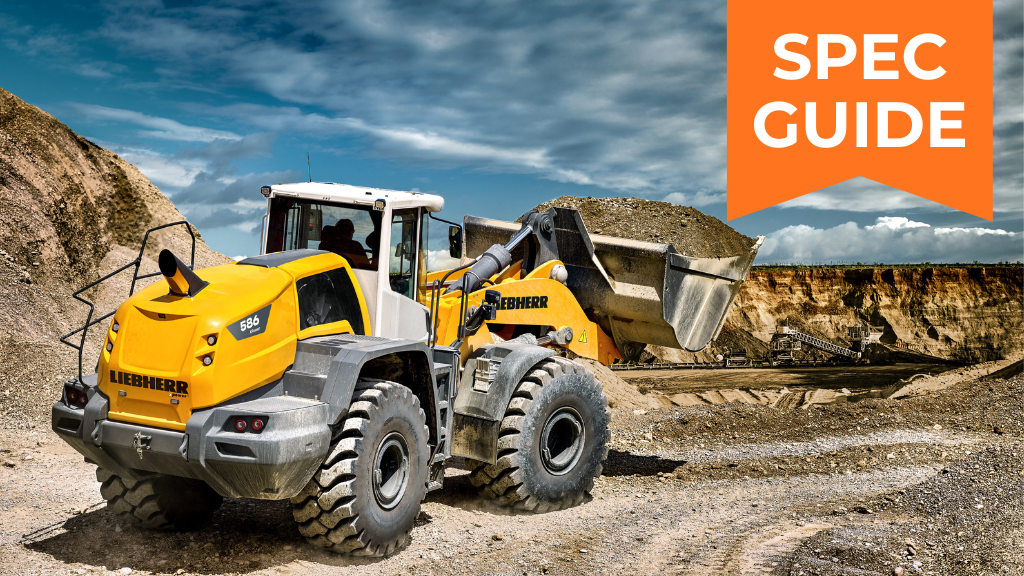
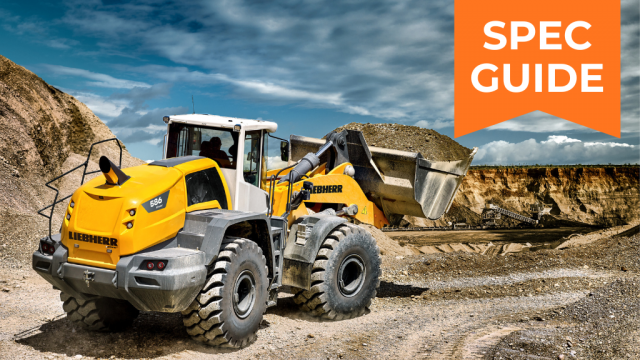
Liebherr's L 566 XPower wheel loader offers powerful and efficient solutions for heavy-duty material handling across construction, aggregates, industrial yards, forestry, and mining support. DEVELON's DL320-7 wheel loaders deliver enhanced performance with higher capacities, faster cycle times, and enhanced lift capabilities.
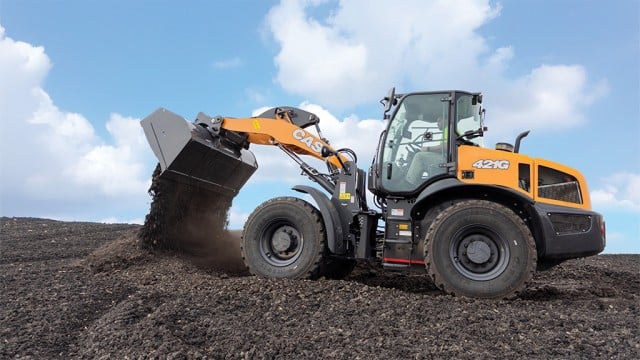
CASE Construction Equipment's G Series wheel loader lineup provides contractors with powerful, smart, and efficient solutions to conquer tough job site challenges and boost productivity. Volvo's new-gen large wheel loaders are built to maximize productivity, fuel efficiency, and operator comfort.
Komatsu wheel loaders span from versatile mid-size to heavy yard loader configurations, supporting a wide range of applications from aggregates and quarry to waste, infrastructure, and general construction.

When selecting a wheel loader for your job site and production targets, it's essential to consider factors such as the type of work being done, job sites that it will be used on, and the size of the machine. A compact, medium, or large machine may be suitable depending on these variables. Additionally, the design of the wheel loader, including its articulated or rigid frame design, can significantly impact its performance and durability.