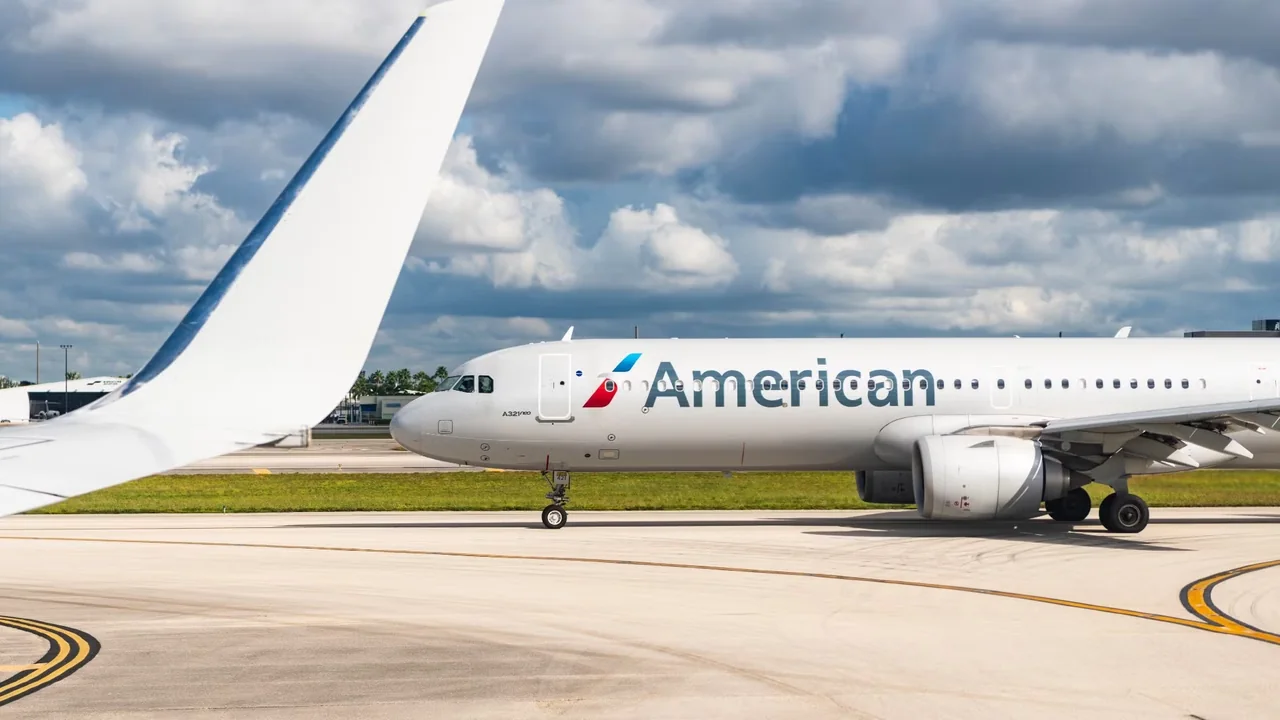
A unique initiative has taken off at American Airlines, with the carrier's pilot team launching a new program that allows them to hand out collectible aircraft trading cards to passengers. This move brings the airline in line with other major US carriers, who have also adopted similar programs. The Allied Pilots Association, which represents the pilots' union, is behind the initiative, and it has sparked both support and criticism within the union itself.
The program was not launched by American Airlines directly, but rather by its pilot team, who organized access to the cards for their members. This approach highlights the growing influence of unions in shaping airline policies and customer experiences. The trading cards themselves are a key part of the program, featuring designs of various aircraft types that are operated by American Airlines.
The cards are not just promotional handouts, but rather genuine collectibles designed to bring smiles to passengers' faces. Each card spotlights a specific aircraft type, with examples including flagship models that are core pieces of the airline's operations. The artwork on these cards is polished and pairs the aircraft with destination-themed imagery, giving them a unique travel-postcard feel.

The introduction of trading cards by pilots underscores the importance of branding and customer experience in shaping passengers' perceptions of an airline. By providing a tangible keepsake that connects an airplane's name and shape to the flight, these cards can improve passengers' experiences and create a more memorable journey.
However, the program has also raised questions about the role of unions in supporting airline branding initiatives. Some critics argue that union dues should not be used to fund perks that promote the airline's public image, while supporters see it as a way to enhance the passenger experience.
The debate within the Allied Pilots Association highlights the complex relationships between labor and branding in the airline industry. As airlines increasingly focus on customer experience, unions are playing a key role in shaping these initiatives.

The trading cards program is just one example of how pilots are taking ownership of their work and pushing for initiatives that enhance the passenger experience. By providing a unique perk like this, American Airlines' pilot team can build stronger relationships with passengers and differentiate themselves from competitors.
Ultimately, the success of the trading cards program will depend on its impact on passenger satisfaction and loyalty. If these cards can create a more memorable and enjoyable flying experience, they may prove to be a valuable addition to American Airlines' customer experience strategy.
As the airline industry continues to evolve, it's likely that we'll see more initiatives like this from pilots and unions. By embracing innovation and taking ownership of their work, airlines can build stronger relationships with passengers and stay ahead of the competition.

The introduction of trading cards by pilots highlights the blurred lines between labor and branding in the airline industry.