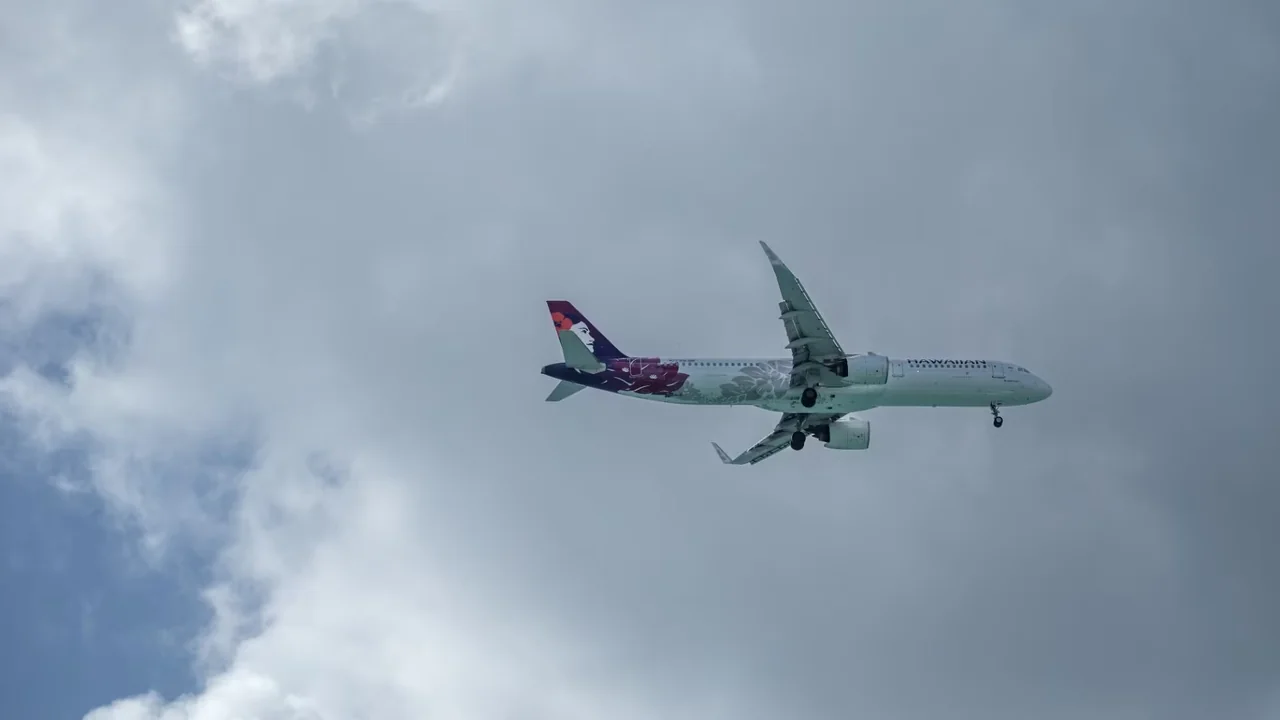
The airline industry is witnessing a significant transformation in its operational strategies, with Hawaiian Airlines set to permanently remove Airbus A321neo flights between Honolulu and Oakland. The change, which will take place through mid-2026, marks an important shift in capacity strategy for this key Hawaii-California corridor. As part of their integration efforts, Alaska Airlines will assume operational control over the route planning, leading to a more permanent realignment of aircraft utilization on the Honolulu-Oakland market.
The gradual transition beginning in June 2026 and fully implemented by July signifies a long-term commitment to optimizing aircraft deployment across overlapping networks. This strategic move highlights the evolving nature of airline operations, where capacity adjustments are crucial for maintaining competitiveness and meeting growing passenger demands.
Hawaiian Airlines' decision to phase out its A321neo service on the Honolulu-Oakland route is largely driven by the need to increase seating capacity and enhance cargo capability. The introduction of larger widebody aircraft operated by Alaska Airlines will significantly boost passenger numbers, making the route more attractive for travelers.

The transition from narrowbody to widebody operations in stages during 2026 reflects a broader trend in the airline industry towards more efficient use of resources. By upgrading to larger aircraft, airlines can reduce costs per trip and increase revenue through higher seat counts.
As part of their integration strategy, Hawaiian Airlines and Alaska Airlines are consolidating operations and optimizing aircraft deployment across overlapping networks. This move will enable both carriers to better manage capacity and respond to changing market conditions.
The shift to the A330-200 aircraft will also have a positive impact on the airline's bottom line, as the larger plane can accommodate more passengers and cargo. This increase in capacity justifies higher seat counts and enhanced cargo capability, indicating sustained demand for the route.

From a fleet perspective, the transition aligns closely with the broader integration strategy between Hawaiian and Alaska Airlines. The use of similar aircraft types will enable both carriers to share resources and expertise, leading to improved operational efficiency.
The introduction of larger widebody aircraft on the Honolulu-Oakland route represents a significant increase in passenger capacity and onboard product consistency. This shift is likely to have a positive impact on the airline's revenue and competitiveness in the market.
As the airline industry continues to evolve, airlines must adapt their operations to meet changing market demands. The shift to larger aircraft like the A330-200 is an important step towards optimizing resource utilization and improving operational efficiency.

The shift to larger aircraft justifies higher seat counts and enhanced cargo capability, indicating sustained demand for the route.