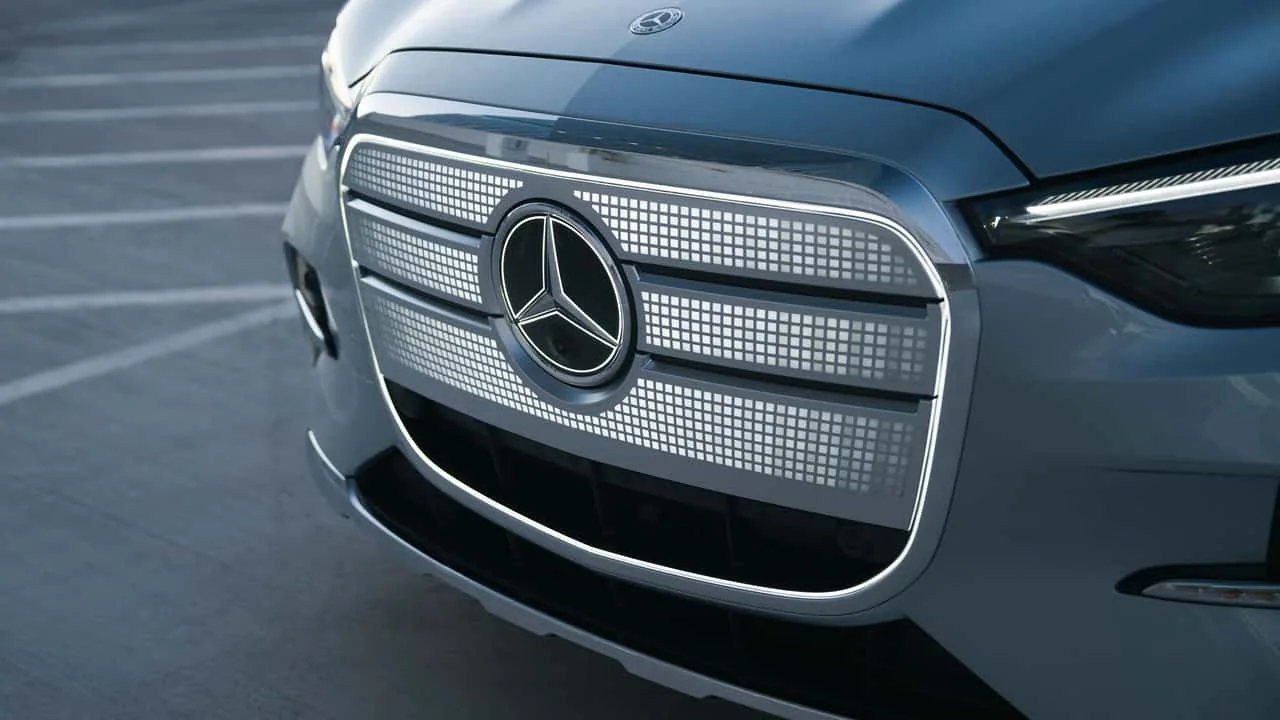
Until recently, European manufacturers were preparing for the 2035 ban on combustion engines by setting up new production lines and investing heavily in electric vehicle technology. However, a recent decision has changed the landscape, forcing companies like Mercedes to reassess their strategies. The European Union has announced that it will not impose a blanket ban on gas-powered cars by 2035, instead opting for a more gradual approach to phasing out combustion engines.
This move is expected to have significant implications for manufacturers and consumers alike. With the new regulations, companies are now required to achieve at least 50% of their sales from electric vehicles by 2025, with a goal of reaching 100% by 2030. While this may seem like a more manageable target, it still represents a major shift in the automotive landscape.
The eased regulations have left many manufacturers scrambling to adapt their production lines and product offerings. Mercedes, in particular, has been heavily invested in electric vehicle technology and is now facing a significant challenge. The company's decision to focus on hybrid models will not be enough to meet the new requirements, leaving it to explore other options such as partnerships with electric vehicle startups or investments in battery technology.
As the automotive industry continues to navigate this changing landscape, one thing is clear: the future of gas-powered cars looks uncertain. With the EU's more relaxed approach, manufacturers are now faced with a choice between investing heavily in electric vehicles and taking a risk on new technologies or embracing the existing infrastructure and potentially missing out on the shift towards sustainability. The decision will have far-reaching consequences for companies like Mercedes and the broader automotive industry as a whole.
This change in regulation highlights the complexity of transitioning to sustainable transportation options and the need for manufacturers to be agile and adaptable in response to shifting market demands.