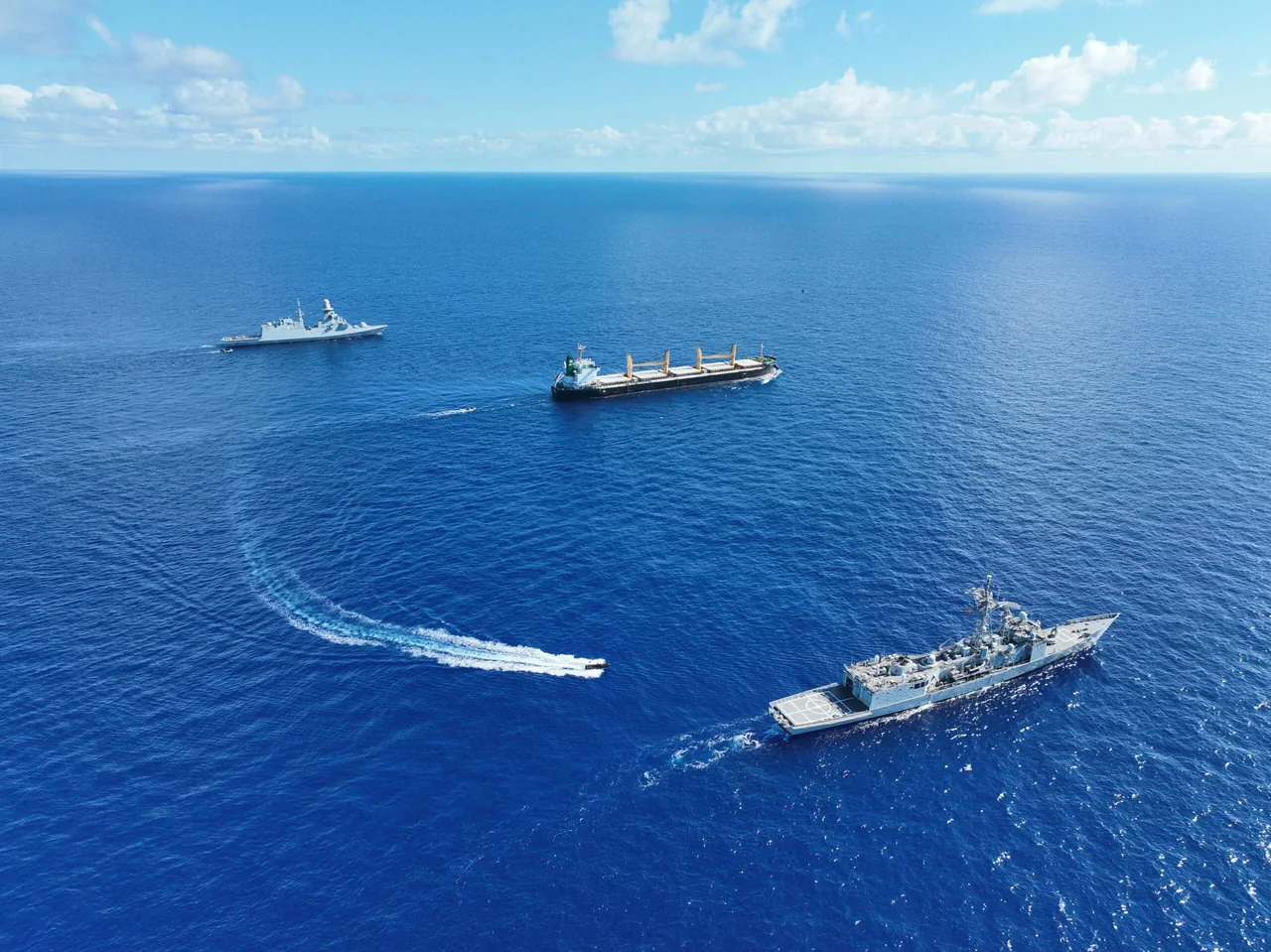
The global maritime system remains open, but operates with less slack, greater volatility, and more variable constraints on access. This shift in dynamics has significant implications for commercial shipping and trade. The era of free seas may be coming to an end, at least in its current form. However, this narrative overstates the moment, as the system is adapting to changing circumstances.
A recent commentary highlights tensions in the Strait of Hormuz and the possibility of states imposing tolls on global shipping. While these tensions are real, they do not necessarily signal a coordinated shift toward monetized sea lanes. Instead, they reflect the complex interplay of crisis, coercion, and market responses that shape the maritime trade environment.
The Strait of Hormuz is experiencing both crisis and coercion amid active military confrontation. This has direct implications for commercial shipping through the region, including attacks, seizures, and efforts to condition transit through tolls or similar demands. Iran's pattern of behavior in Gulf waters over the past decade includes repeated interference with commercial tankers.

The system imposes quieter costs through risk, reflected in insurance premiums, rerouting decisions, and delay exposure embedded in freight rates when security conditions deteriorate. These market-based risk pricing mechanisms have been particularly visible during disruptions such as the Red Sea shipping crisis.
It is essential to distinguish between crisis, coercion, and market response. Conflating these dynamics creates an impression of a coordinated shift toward monetized sea lanes where none exists. This distinction matters for understanding the evolving maritime landscape.
Access has never been absolute in the maritime domain. It has always depended on security presence, enforcement capacity, and shared norms that held the system together — imperfectly but effectively enough under widely accepted rules governing transit through international straits. Disruptions are not new, even at the height of piracy off Somalia.
Episodes of disruption underscore the persistence of challenges in the maritime domain. It is equally important to place these developments within a longer historical pattern shaped by shifting global port influence and evolving security dynamics.
The system's ability to adapt to changing circumstances is crucial for its continued operation. As the maritime landscape evolves, it is essential to recognize both the persistent challenges and the opportunities for growth and cooperation.
Ultimately, the future of the maritime system will depend on its ability to balance competing interests and priorities. This requires a nuanced understanding of the complex dynamics at play and a commitment to cooperation and collaboration.
The shift in the global maritime system has significant implications for commercial shipping, trade, and security. As the system continues to evolve, it is essential to stay informed and engaged with the latest developments and challenges.
The maritime system is facing increased volatility due to the combination of crisis, coercion, and market responses.