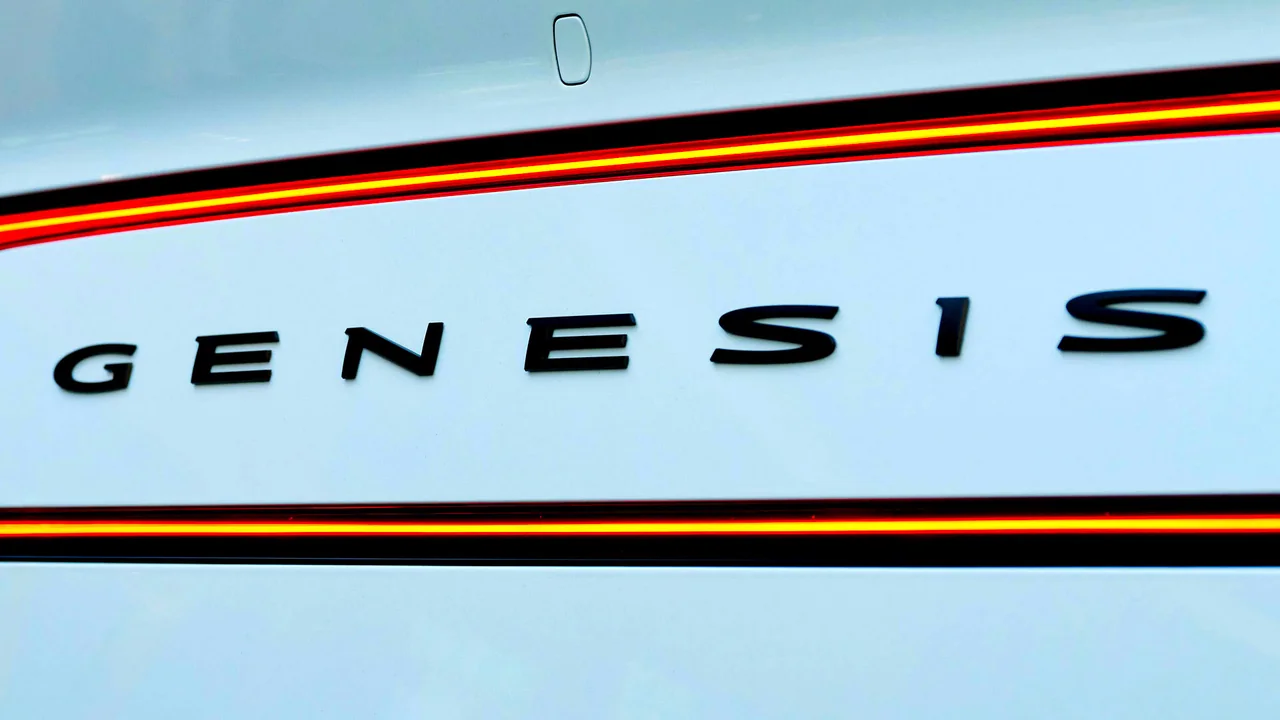
In a move that signals the end of its standalone identity as a luxury brand, Genesis has officially concluded its development phase. The South Korean automaker, which was launched in 2015, has been gradually integrating itself into the Hyundai Motor Group's family tree.
This strategic shift is aimed at leveraging the group's resources and expertise to enhance Genesis' offerings and expand its global presence. As a result, Genesis will now be positioned as an upscale division of Hyundai, with its vehicles sharing platforms, engines, and technologies with other Hyundai models.
The transition marks a significant turning point for Genesis, which had been striving to establish itself as a major player in the luxury market. With this new direction, Genesis is poised to benefit from increased economies of scale and access to advanced engineering capabilities.

However, some industry observers have expressed concerns that the loss of its standalone identity may dilute Genesis' unique selling proposition and appeal to its core customer base. Nevertheless, Genesis' leadership remains committed to delivering exceptional driving experiences and luxurious amenities to its customers, even as it navigates this significant transformation.
The company's future plans are expected to focus on expanding its model lineup, enhancing its dealership network, and strengthening its global distribution channels. As the automotive landscape continues to evolve, Genesis is well-positioned to adapt and thrive in this new chapter of its history.
This strategic shift will likely have a positive impact on Genesis' financial performance, but it also raises questions about the brand's ability to maintain its luxury image. As an EazyInWay expert, I believe that Genesis must carefully balance its desire for cost savings with its commitment to delivering exceptional quality and features to its customers.