
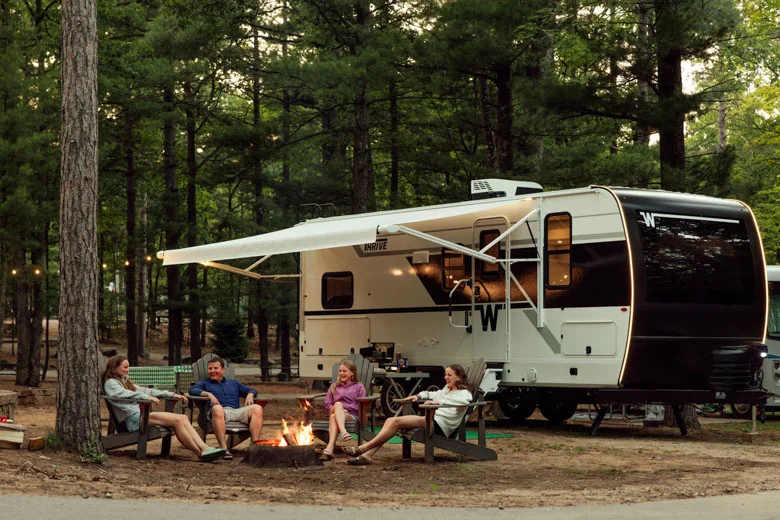
Camping has emerged as a vital resource for local communities, with the outdoor hospitality sector's economic footprint reaching $66 billion in 2025. This represents a $5 billion increase from 2024, driven by sustained growth and an expanded base of engaged campers. The surge of first-time campers between 2020 and 2022 introduced millions of new households to the outdoors, contributing to the sector's sustained growth. As a result, camping has solidified its position as an approachable travel option, with average daily expenditures per person exceeding $200 in 2025.
The outdoor hospitality sector is no longer a niche market, but rather a meaningful pillar of North America's travel economy,
Camping's emergence as a mainstream leisure travel segment has broadened its reach and is driving significant economic impacts within local communities. The Kampgrounds of America Foundation's partnership with Leave No Trace has provided valuable insights into camping trends and best practices.
The growth of the outdoor hospitality sector is driven by younger generations and families with children, who are increasingly seeking accessible and affordable travel options. This shift in consumer behavior reflects a changing landscape for the industry, as campers prioritize simplicity and natural restoration over curated experiences.
As the demand for camping continues to accelerate, it's clear that the industry must adapt to meet this growing need,
The Kampgrounds of America Report highlights the importance of wellness in the camping experience, with 77% of campers stating that 'just being in nature is enough' without structured programming or additional amenities. This analog approach to camping reflects a meaningful generational shift towards prioritizing simplicity and natural restoration.
Camping has become an increasingly popular option for families, with 35% of U.S. adults citing it as the easiest form of travel with children and 35% stating that it is the most affordable travel option. This growth in demand is driven by a desire for accessible and affordable outdoor experiences.
The report also highlights the importance of mental wellbeing in the camping experience, with nearly half of all campers intentionally booking trips to improve their mental health and 50% prioritizing experiences that help them recharge. This orientation around unstructured outdoor wellness represents a significant recalibration for the industry's value proposition.
As the outdoor hospitality sector continues to grow, it's essential that operators prioritize the well-being and needs of their customers,
The Kampgrounds of America Report provides valuable insights into the camping industry, highlighting trends and best practices that will shape the future of outdoor hospitality. By prioritizing simplicity, natural restoration, and wellness, the industry can continue to drive growth and meet the evolving needs of its customers.
As the demand for camping continues to accelerate, it's clear that the industry must prioritize innovation, accessibility, and sustainability in order to meet this growing need.