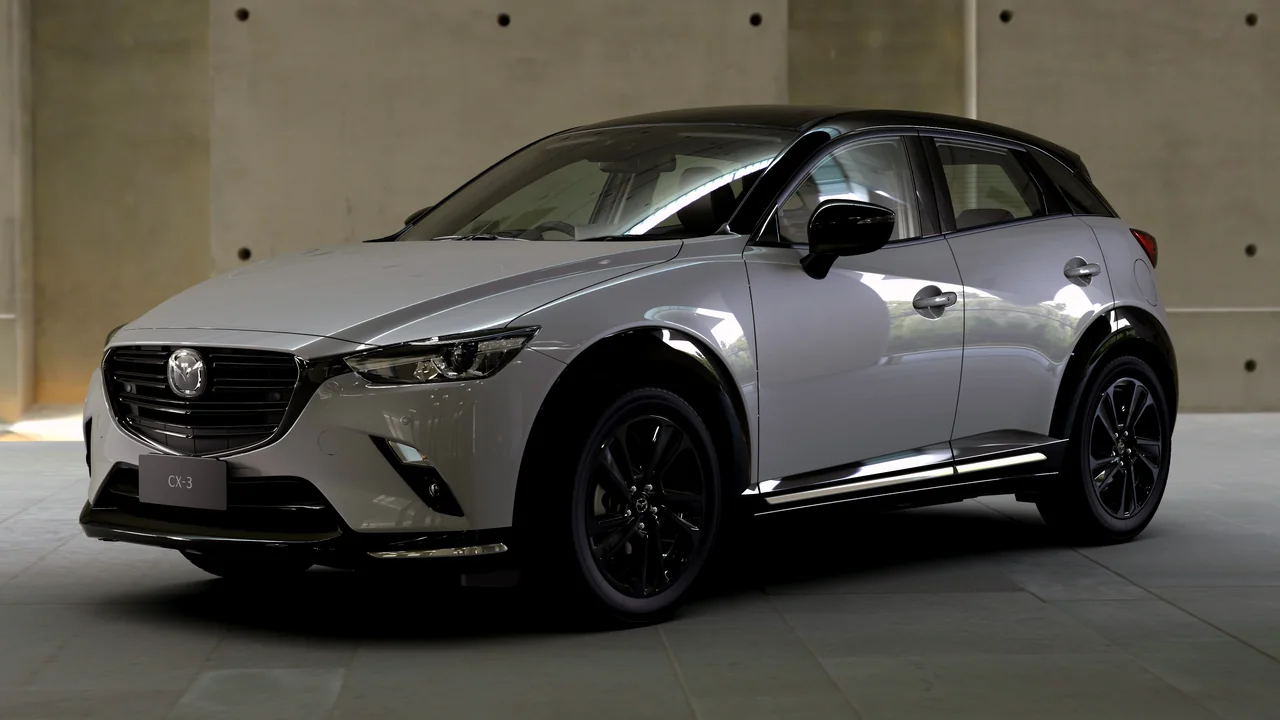
After more than a decade on the market, Mazda's smallest and most familiar face is finally bowing out. The CX-3, which debuted in 2015 and has been quietly hanging on in some corners of the globe, is reaching the end of the road earlier than expected. Production for the Japanese market is officially set to stop at the end of this month.
We'd previously heard that CX-3 production would wrap up in March, but that timeline has now changed. Mazda's Japanese website notes that 'production of domestic' CX-3s will conclude this month, but fails to mention if it'll also stop building examples for overseas markets. The omission leaves room for interpretation, but it's reasonable to assume global production won't be far behind.
Right now, all CX-3s sold in Japan are sourced from Mazda's Thai production facility. The same plant also supplies other markets, alongside a second site in Guanajuato, Mexico. So while Japan's timeline is officially confirmed, the international picture might not be far behind.
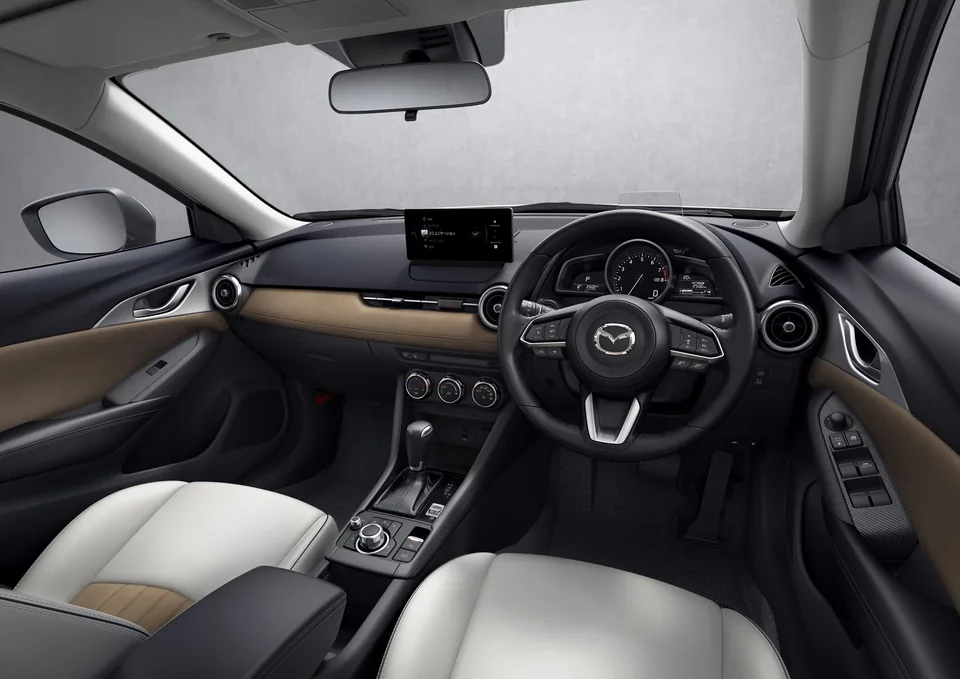
The CX-3 has long been one of Mazda's most important models, but as it's aged, it has become extremely outdated, particularly when compared to Mazda's latest generation of SUVs like the new CX-5, as well as the CX-50, CX-60, and CX-80, among others. Mazda stopped selling the CX-3 in the US in 2021, replacing it with the more modern CX-30. The CX-3 isn't the only compact Mazda reaching the end of its lifecycle.
Reports claim that the Mazda2 will also be discontinued this year, likely by June. However, an all-new Mazda2 inspired by the Vision X-Compact Concept unveiled last year could hit the market as early as 2027, bringing with it a fresh design and up-to-date tech. A small SUV based on this future Mazda2, serving as a successor to the CX-3, will likely follow soon after.
Last year, a pair of sketches that appeared to depict the future CX-3 emerged, showing it with headlights similar to the new CX-5 while also hinting at potential changes in terms of design and features.
The discontinuation of the CX-3 marks an important milestone for Mazda's product lineup, allowing the company to focus on newer models that better meet evolving consumer demands. As we move forward, it will be interesting to see how Mazda navigates the transition from these aging models to its next-generation offerings.