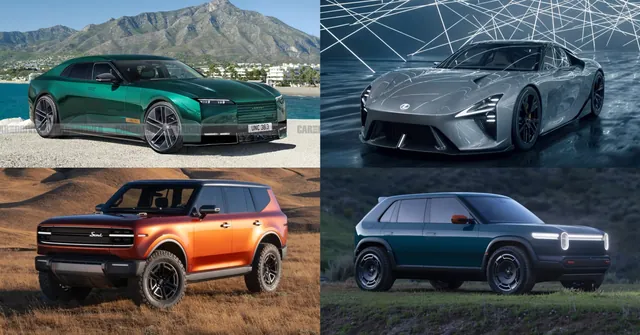

The automotive industry is witnessing a transformative shift as companies begin to prioritize community engagement alongside traditional marketing strategies. This evolution reflects a broader understanding of the importance of local connections and cultural relevance in building brand loyalty. By hosting events that resonate with community values, automotive brands are not just selling vehicles; they are fostering relationships with potential customers.
Car shows, local exhibitions, and community events have become crucial platforms for automotive manufacturers to showcase their latest models and technologies. These gatherings allow consumers to interact with vehicles in a relaxed and familiar environment, enhancing their overall experience. Furthermore, such events create a sense of belonging among attendees, making them feel part of a larger automotive community.
In addition to showcasing new vehicles, these events often feature activities that celebrate local culture and heritage. By incorporating elements such as food trucks, live music, and local artisans, automotive brands can create a festive atmosphere that attracts a diverse audience. This strategy not only enhances the event's appeal but also underscores the brand's commitment to supporting local economies.

The rise of social media has amplified the impact of these community events, allowing attendees to share their experiences with a wider audience. Automotive brands can leverage this organic promotion to reach potential customers who may not have been aware of their offerings. As a result, engaging with the community can lead to increased brand visibility and customer acquisition.
Moreover, community engagement initiatives can help automotive companies gather valuable feedback directly from consumers. By interacting with attendees, brands can gain insights into consumer preferences and trends, which can inform future product development. This direct line of communication is invaluable in an industry that is constantly evolving to meet changing consumer demands.
Sustainability is another critical aspect that many automotive brands are focusing on during community events. By promoting eco-friendly practices and showcasing electric vehicles, manufacturers can align themselves with the growing consumer demand for sustainable transportation solutions. This not only enhances their brand image but also positions them as leaders in the transition towards greener mobility.

As the automotive landscape continues to evolve, the importance of community engagement will likely grow. Brands that successfully integrate local culture into their marketing strategies will stand out in a crowded marketplace. This approach not only strengthens customer relationships but also fosters a sense of loyalty that can translate into long-term success.
In conclusion, the automotive industry is at a pivotal moment where community and culture are becoming integral to brand identity. By embracing local engagement through events and initiatives, manufacturers can create meaningful connections with consumers. As this trend continues to develop, it will undoubtedly shape the future of marketing strategies within the automotive sector.
The integration of community-focused events in the automotive sector highlights a growing trend towards consumer connection and brand loyalty. As manufacturers increasingly prioritize community involvement, this could reshape marketing strategies across the industry.