
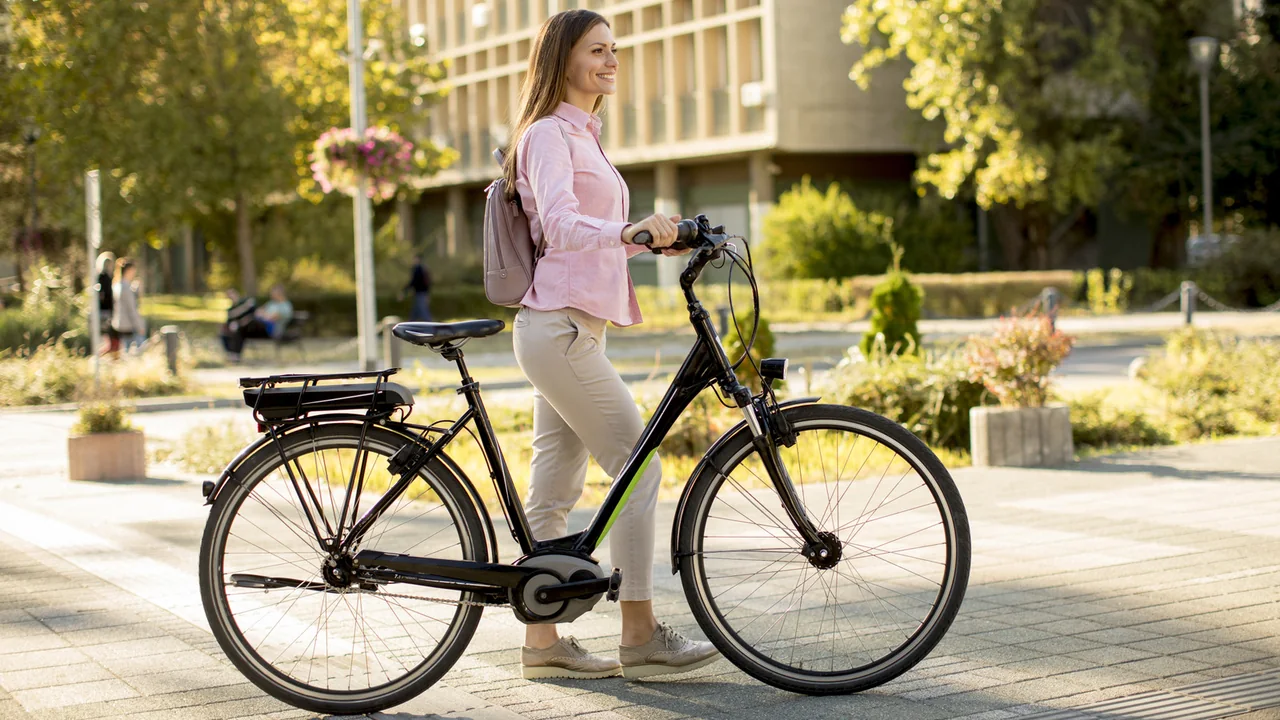
The use of the terms 'electric motorcycles' and 'e-bikes' has become increasingly common, but a critical distinction exists between these two types of vehicles. While both may be powered by electricity, they are subject to different regulatory frameworks and safety guidelines. The consequences of confusing these terms can be severe, as riders may find themselves on more powerful machines than they can handle, which increases the risk of injury or accident.
The importance of understanding the difference between electric motorcycles and e-bikes cannot be overstated. E-bikes are limited in both motor size and speed, with most models restricted to a top speed of 20 mph. In contrast, electric motorcycles have no such limitations, allowing them to reach speeds of over 60 mph.
A recent study by the Children's Hospital of Orange County highlights the risks associated with e-bike accidents involving high-speed riders. The researchers found that injuries increased significantly when riders exceeded 20 mph, with a notable rise in head, neck, face, and internal organ injuries.
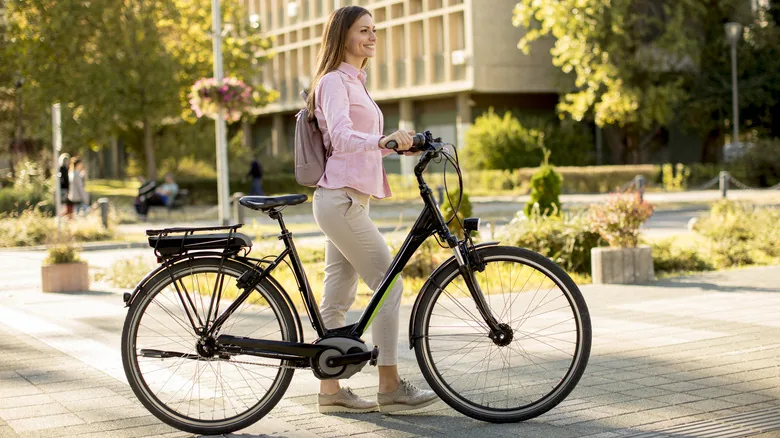
The classification system for e-bikes varies between national and state guidelines. In the United States, the U.S. Consumer Product Safety Commission sets limits on motor size and speed, while individual states have adopted their own classification systems. The PeopleForBikes organization has also developed a three-class system for e-bikes, with Class 1, Class 2, and Class 3 models subject to different speed limits.
The use of electric motorcycles in place of e-bikes poses significant safety risks, particularly for children and inexperienced riders. Parents who purchase e-bikes for their kids may inadvertently expose them to more powerful machines than they can handle, increasing the risk of accidents and injuries.
Regulatory bodies must take a proactive approach to educating consumers about the differences between electric motorcycles and e-bikes. This includes providing clear guidelines on safety features, speed limits, and motor size restrictions.
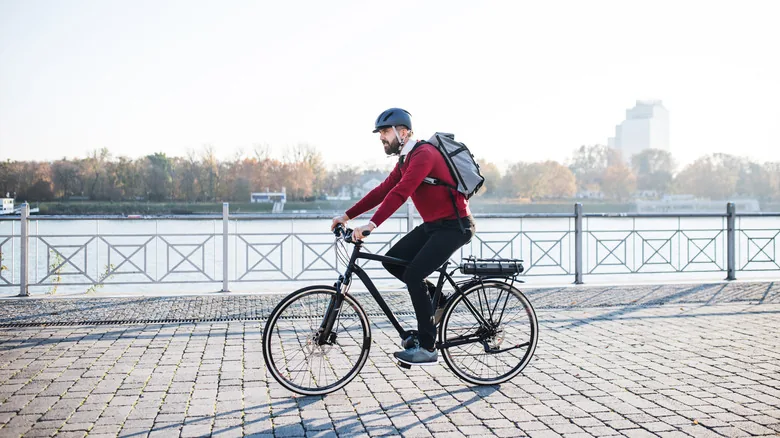
The distinction between electric motorcycles and e-bikes has significant implications for pedestrian safety as well. As e-bike speeds increase, so too does the risk of collisions with pedestrians, particularly in urban areas.
Manufacturers must also play a crucial role in promoting safe riding practices among consumers. By providing clear instructions and guidelines on e-bike usage, manufacturers can help reduce the risks associated with these vehicles.
As the popularity of electric motorcycles continues to grow, it is essential that consumers understand the differences between these vehicles and take necessary precautions to ensure their safety.
The distinction between electric motorcycles and e-bikes is crucial for ensuring rider safety.