
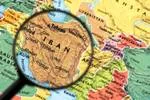
The Strait of Hormuz, a vital waterway connecting Europe and Asia, has reopened for shipping after a ceasefire accord was agreed in Lebanon. The Iranian official stated that all ships can sail through the strait but require prior coordination with Iran's Islamic Revolutionary GuardCorps (IRGC). This new arrangement is part of a deal to unfreeze Iranian funds, which have been frozen since 2012 due to international sanctions.
The agreement comes as tensions in the region continue to ease, with U.S. President Donald Trump expressing optimism that a deal to end the Iran war would come 'soon'. However, the timing remains unclear, leaving the shipping industry and other stakeholders waiting for further clarity on the situation. The Iranian official emphasized that transits through the strait would be restricted to lanes deemed safe by Iran.
The established Traffic Separation Scheme (TSS) lanes for entering and exiting the Gulf used by international shipping since the 1970s may still be in place, but it is not immediately clear if this includes or excludes these lanes from the new arrangement. The official stated that even U.S. vessels would be permitted to transit through the strait, excluding military ships.
The Iranian official also noted that certain routes through Hormuz would remain open, but these would need to be determined as secure by Iran. Navigation through the strait would take place in coordination with Iran and require authorisation from the Guards and Iran's Ports and Maritime Organization to ensure the safety of shipping.
Shipping industry associations are currently reviewing the situation and verifying the compliance of the recent announcement with freedom of navigation for all merchant vessels and secure passage. The International Maritime Organization (IMO) has expressed its commitment to upholding international maritime law and ensuring the safe passage of ships through the strait.
The reopening of the Strait of Hormuz is a significant development in the region's security dynamics, marking a shift towards greater cooperation between Iran and other countries. However, the long-term implications of this agreement remain uncertain, and further clarification on the situation is needed to ensure stability in global shipping lanes.
As the situation continues to unfold, it is essential for all stakeholders to work together to ensure that the safe passage of ships through the strait is maintained. The IMO has a critical role to play in facilitating international cooperation and promoting the principles of freedom of navigation and secure passage.
The Iranian official's statement highlights the importance of coordination between Iran and other countries in maintaining the stability of global shipping lanes. This arrangement underscores the need for greater dialogue and cooperation in the region, particularly when it comes to issues related to security and trade.
In conclusion, the reopening of the Strait of hormuz marks a significant step towards greater regional stability, but further clarification on the situation is needed to ensure that all stakeholders are aware of their obligations and responsibilities under this new arrangement.
The agreement marks a significant shift in the region's security dynamics.