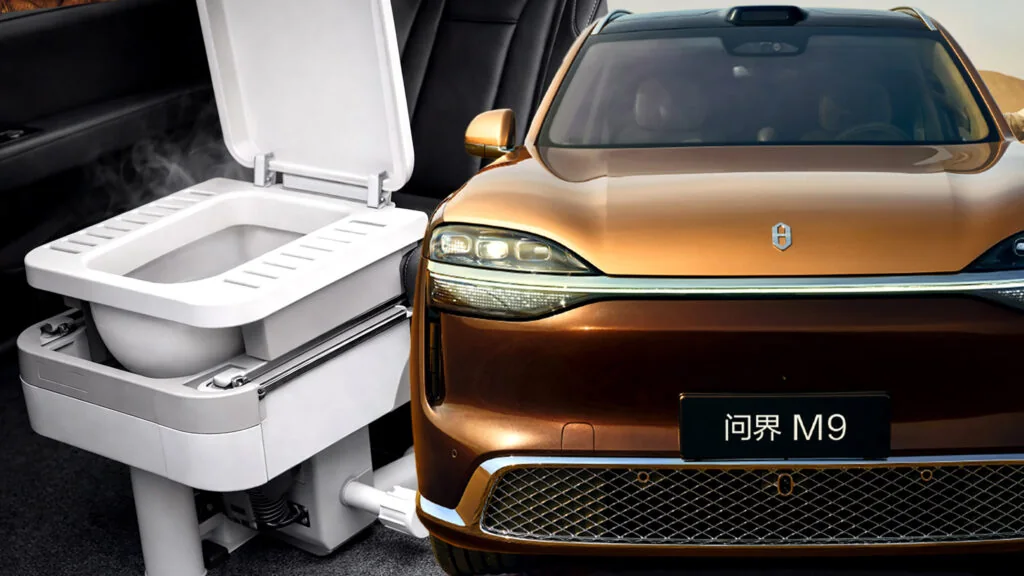
The automotive industry is on the cusp of a major innovation, with a Chinese automaker patenting an in-car toilet that slides out and disappears when you're done. This futuristic concept aims to provide a more comfortable and hygienic driving experience for passengers. The patented design features a sleek and compact toilet module that can be easily installed in various vehicle types, including cars and buses.
The toilet module is equipped with advanced sensors and AI technology to detect when the user has finished using it, triggering a mechanism that slides the toilet out of sight. This feature eliminates the need for manual cleaning and reduces waste disposal issues on long road trips. Additionally, the design incorporates a self-cleaning surface and antimicrobial coating to minimize bacterial growth and odors.
While the concept may seem unusual at first, it's essential to consider the benefits it offers in terms of passenger experience and vehicle maintenance. By integrating a toilet into the vehicle, manufacturers can create more comfortable and convenient driving environments, which could lead to increased customer satisfaction and loyalty. Furthermore, the reduced waste disposal needs can result in cost savings for fleet operators.
However, there are also concerns about the practicality and feasibility of such a design. For instance, how will the toilet module be powered, and what kind of maintenance will be required to keep it functioning properly? Additionally, there may be regulatory hurdles to overcome before this technology can be widely adopted.
Another crucial aspect to consider is the impact on vehicle safety and security. Will the toilet module compromise the structural integrity of the vehicle, or create potential blind spots for the driver? These questions need to be addressed through thorough testing and evaluation before this technology can be considered viable.
Despite these challenges, the patent for an in-car toilet represents a significant step forward in the pursuit of innovative solutions for the automotive industry. As manufacturers continue to push the boundaries of what is possible, we can expect to see more exciting developments in the years to come. The integration of advanced technologies like AI and sensors will likely play a key role in shaping the future of vehicle design.
The potential applications for this technology extend beyond passenger vehicles, with possibilities for use in public transportation, emergency services, and even construction equipment. By exploring new uses for existing technologies, manufacturers can unlock significant cost savings and efficiency gains. This is a prime example of how innovation can drive growth and improvement in the industry.
As we move forward, it's essential to consider the broader implications of this technology on society as a whole. Will the widespread adoption of autonomous vehicles with built-in toilets lead to changes in urban planning and infrastructure development? These questions highlight the need for ongoing dialogue between manufacturers, policymakers, and regulatory bodies to ensure that emerging technologies align with societal needs and values.
Ultimately, the success of this innovative design will depend on its ability to balance competing priorities like comfort, convenience, and practicality. By engaging with stakeholders and addressing concerns through careful planning and testing, manufacturers can bring this technology to market in a way that benefits both customers and the industry as a whole.