
The energy crisis highlights the need for Europe to avoid new dependencies on critical raw materials. This is particularly important as the EU seeks to transition away from fossil fuels and towards renewable energy sources.
Switching to renewables and electric vehicles will change the dynamics of the energy market, but it also creates a new challenge: securing access to the critical minerals needed to support these technologies.
The European Commission has taken several global initiatives aimed at securing a sustainable and diverse supply of critical minerals. These include the Critical Raw Materials Act, Global Gateway funding, and agreements with third countries that have been upgraded into Clean Trade and Investment Partnerships.
However, despite these efforts, the concentration of critical mineral supplies has worsened, with China controlling processing for 19 out of 20 critical minerals and export controls on raw materials continuing to proliferate.
The problem is not a lack of regulatory frameworks or political support, but rather a disconnect between good intentions in political declarations and having the actual tools to make progress on the ground.
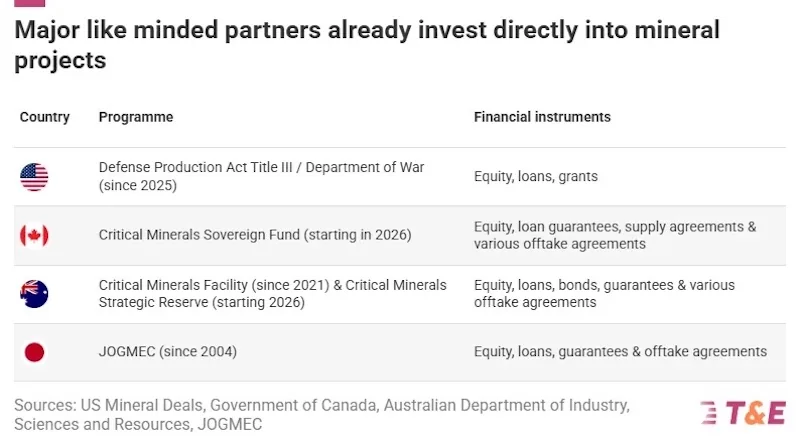
A major reset of Europe's global minerals policy is needed to address this issue. This requires choosing partners strategically and bringing domestic companies to the table that can provide investment, know-how, and offtake.
The EU should focus on delivering concrete projects on the ground, rather than just making promises in political declarations. This means investing in projects directly and providing funding support to partner countries.
One promising area of focus is South Africa, which has abundant resources of manganese that are central to western-led battery chemistries' ability to compete with China-led lithium-iron ones.
By helping South Africa set up facilities to refine battery-grade manganese, the EU can reduce its reliance on Chinese imports and support a more diverse mineral supply chain.
Ultimately, the EU's minerals diplomacy must be grounded in concrete action and investment, rather than just handshakes and declarations.