

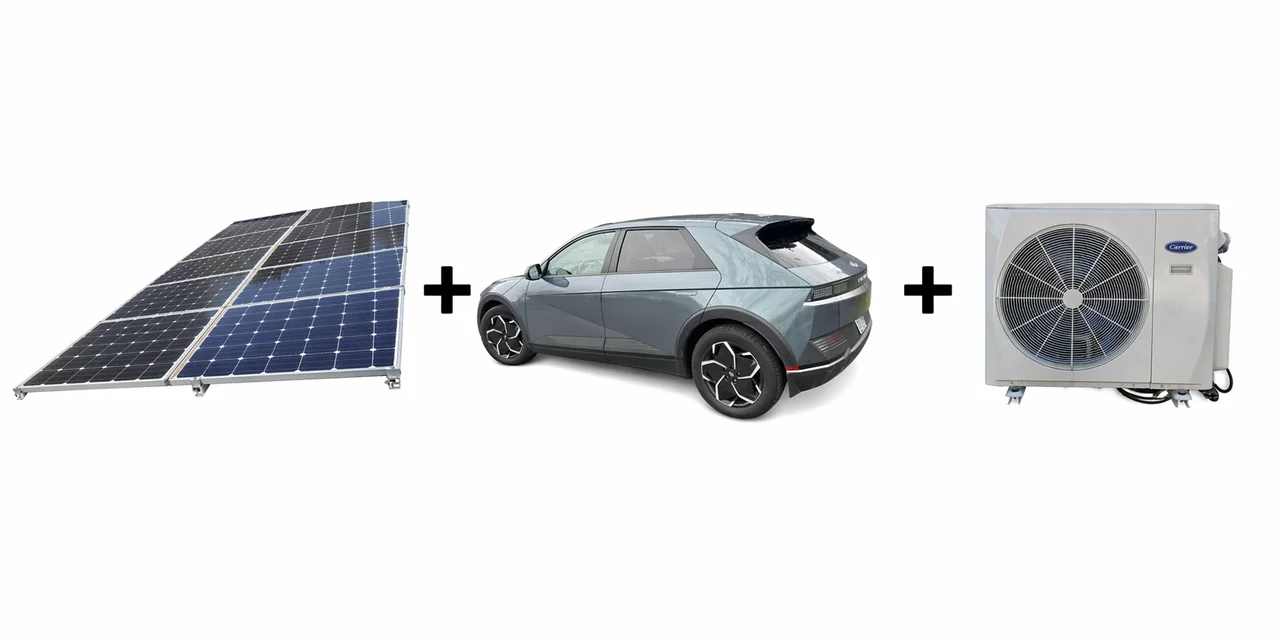
The shift from traditional energy sources to net-zero bills is a game-changer for households across the US. With gas prices soaring and natural gas prices rising, many families are now able to breathe easy knowing their energy bills are zero.
This newfound freedom is thanks to the adoption of three key technologies: photovoltaic solar panels, electric vehicles, and heat pumps. These innovations have enabled households to produce, store, and consume energy in a more efficient and sustainable way.
The popularity of solar panels has been on the rise, with 7% of homes in the US currently sporting these green gadgets. The growth of solar power can be attributed to its affordability and effectiveness in reducing carbon emissions.
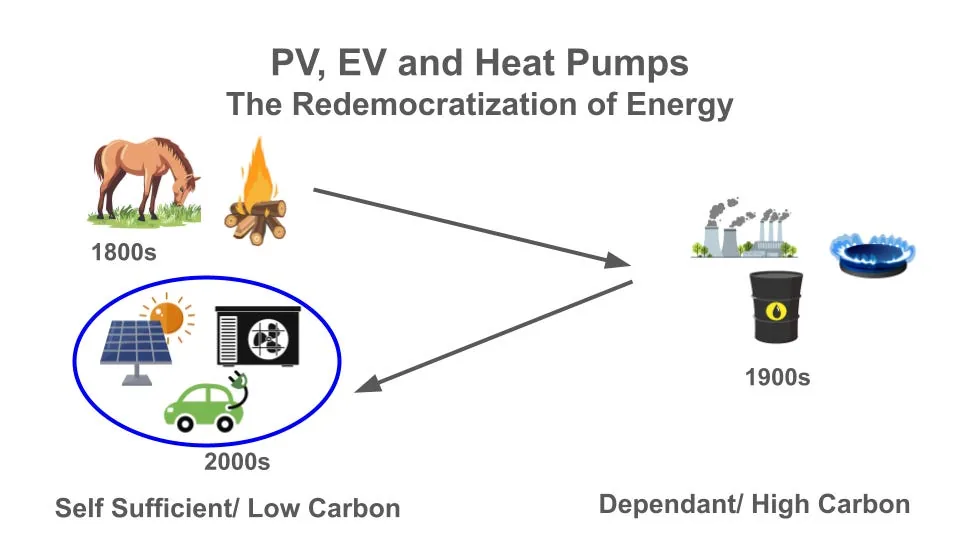
Despite recent changes to tax credits for solar leases, the cost of solar panels has decreased dramatically over the years. In fact, the overall system cost has fallen by 67% since 2010, making it an attractive investment option even without government incentives.
The experience of installing multiple solar systems over the past 15 years has been a resounding success for this household. With each new installation, the payback period has decreased, and the annual electricity production has increased significantly.
One of the most significant benefits of solar power is its ability to lock in a price for electricity, providing households with a stable energy source that's immune to rising costs. This is particularly appealing in an era where energy prices are on the rise.
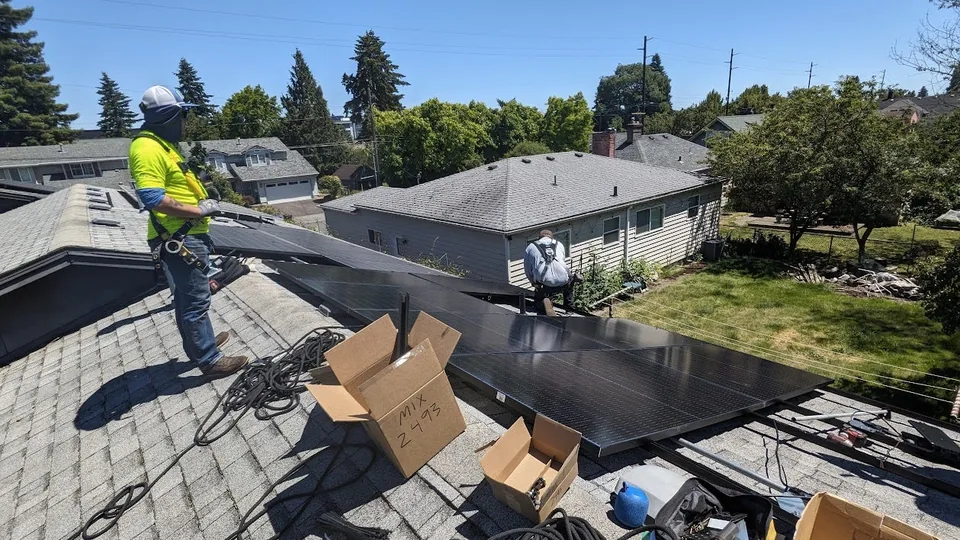
Combining solar panels with all-electric vehicles allows households to produce all the energy their home and vehicle need, reducing reliance on fossil fuels and lowering carbon emissions. It's a win-win situation for both the environment and the wallet.
As the world continues to transition towards renewable energy sources, it's essential to consider the role of heat pumps and electric vehicles in reducing our carbon footprint. By adopting these technologies, households can significantly reduce their energy bills and contribute to a more sustainable future.
As the world shifts towards renewable energy, it's essential to consider the role of heat pumps and electric vehicles in reducing our carbon footprint.