
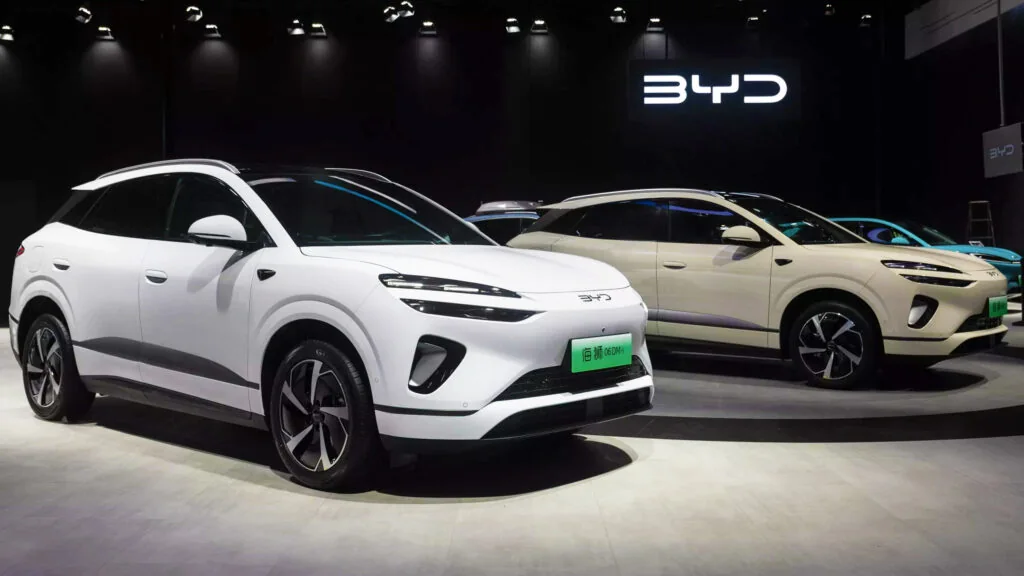
Demand for electric cars in China may be cooling, and some of the country’s biggest automakers are starting to feel the chill. Several of the most prominent domestic brands, including BYD , Xpeng, and Xiaomi, reported noticeable drops in January sales.
Data shows that BYD sold 205,518 vehicles in China last month, a sharp decline from the 300,538 vehicles the company moved in January 2025. Both BYD’s electric vehicles and plug-in hybrids were affected, with exports taking a hit too, dropping to 100,482 units in January from 133,172 in December.
A recent government policy change may go some way to explaining the drop, as the country reinstated a 5 percent purchase tax for new energy vehicles. This change may prompt some consumers to delay purchases, while automakers hold back on new model launches.
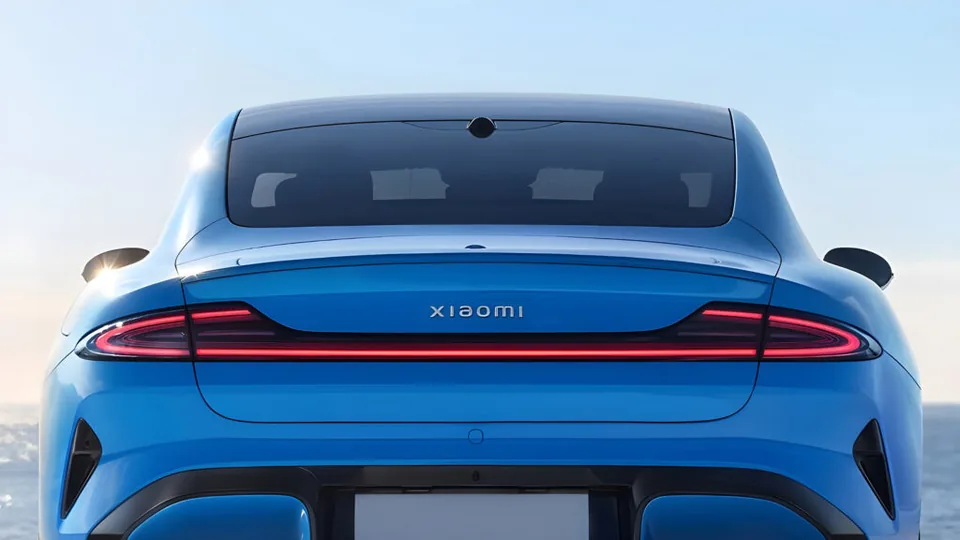
1 percent year-on-year to 20,011 units, and Xiaomi sold 39,000 cars in January, which was an improvement over the same time last year but a steep drop from December. Li Auto’s performance dipped as well, with deliveries slipping to 27,668 units for the month.
However, some competitors capitalized on the slowdown, including Aito, which reported more than 40,000 deliveries in January, and Leapmotor, which sold 32,059 units. Geely also saw an increase in sales, selling more than 270,000 cars in January, a 1 percent year-over-year gain.
The slowdown has fueled speculation that Beijing may step in once again to support the EV market.
The recent decline in electric vehicle sales in China suggests that the market is experiencing a natural cooling-off period, but the government's response will be crucial in determining the trajectory of the industry. As the largest market for electric vehicles, China's actions will have significant implications for the global EV landscape.