Shifting U.S. tariff policies are creating a widening divide across the powersports industry, with some manufacturers signaling minimal impact while others warn of significant financial pressure and ongoing uncertainty. The recent announcements from companies including Polaris Inc. and BRP Inc., along with advocacy efforts from industry groups such as the Motorcycle Industry Council , show how evolving trade measures are affecting different parts of the market in very different ways.
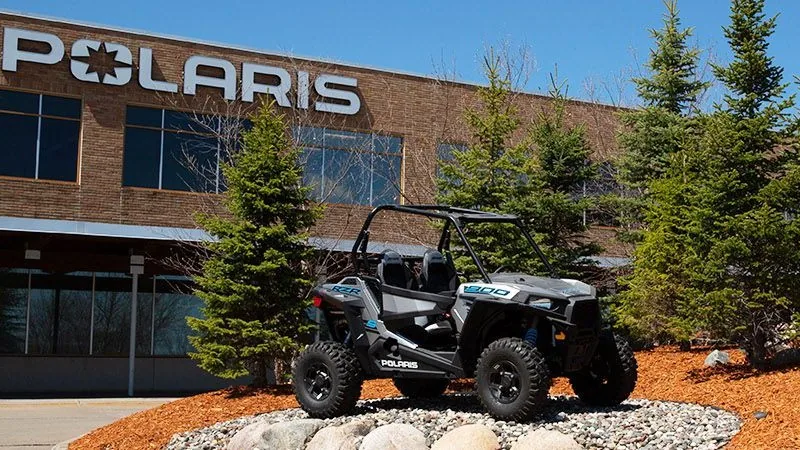
The impact of tariffs on the powersports industry is multifaceted, with some manufacturers benefiting from their domestic production footprint while others face significant financial pressure. Polaris Inc., a U.S.-based OEM, has invested heavily in U.S.-based production and supplier relationships, which executives say helps offset import-related cost pressures.
The situation is more challenging for BRP Inc., a Canada-based manufacturer, which recently announced it is suspending its fiscal 2027 guidance following recent amendments to Section 232 tariffs on steel, aluminum and copper imports. The revised structure now applies a 25% tariff to the total value of imported snowmobiles and most off-road vehicles.
The estimated $500 million in additional tariff costs for BRP could have significant implications for the company's financial performance and operational flexibility. Industry representatives emphasize the need for companies to review their sourcing strategies and classify products correctly to take advantage of refund processes.
A newly launched tariff refund process administered by U.S. Customs and Border Protection may offer partial relief to companies affected by tariffs. However, the outcome will depend heavily on each company's specific situation and operational flexibility.
The powersports industry is not immune to the global economic landscape, and evolving trade measures are testing its resilience. Manufacturers must navigate complex regulations and adapt to changing circumstances to remain competitive.

Some industry associations are pushing back against further tariff expansion, highlighting the need for a more stable regulatory environment. The Motorcycle Industry Council , for example, is advocating for policies that promote fair competition and reduce uncertainty.
The impact of tariffs on the powersports industry will continue to be felt in the coming months. Companies must prioritize operational flexibility, sourcing strategies, and financial planning to mitigate the effects of changing regulations.
As the situation unfolds, manufacturers and industry groups must work together to find solutions that promote fair competition and reduce uncertainty. The future of the powersports industry depends on its ability to adapt to evolving trade measures and navigate complex regulatory landscapes.
The evolving trade landscape is testing the resilience of powersports manufacturers, with some adapting to changing regulations while others struggle to mitigate costs.