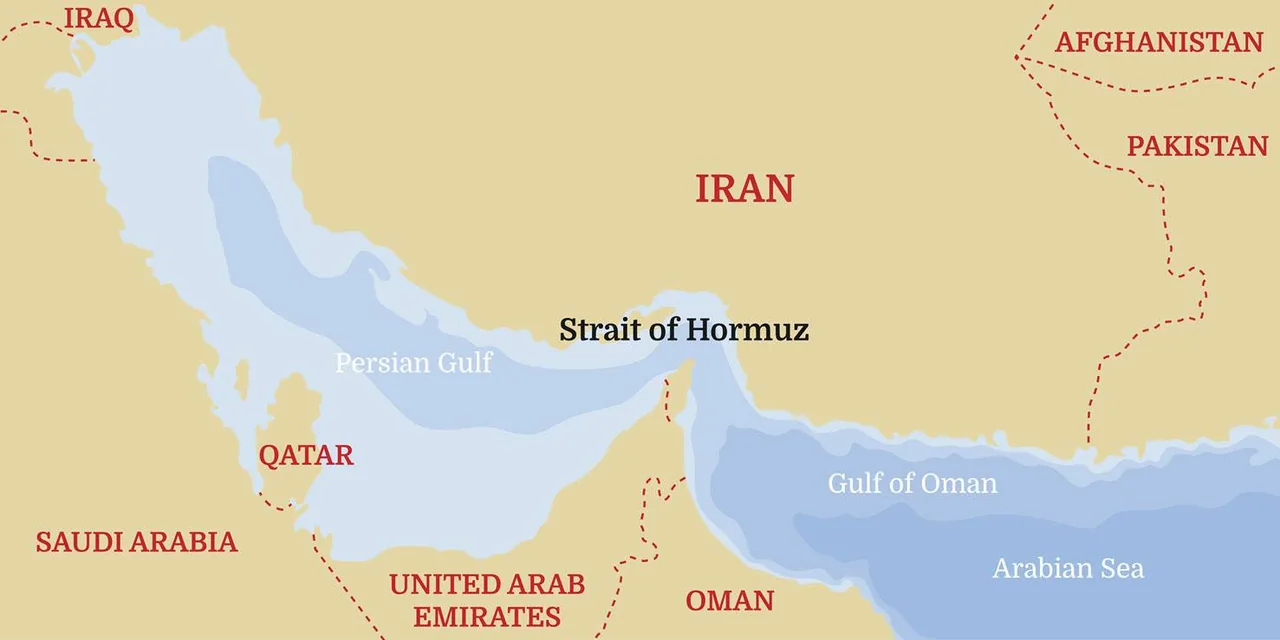
The shipping industry is facing significant uncertainty as the Strait of Hormuz, one of the world's most critical waterways, remains under blockade by Iran. The situation has been exacerbated by reports of an email scam targeting ships claiming to be from Iranian authorities.
The US naval assets are enforcing a blockade in the Gulf of Oman, which is still too dangerous for warships to operate inside the Strait of Hormuz. This has resulted in several ships being forced to turn back or being attacked and detained by Iran. The situation is complex and volatile, with ships perceived friendly or neutral not being blockaded but only allowed to transit via a route defined by Iran close to the Iranian coast.
The US has also attacked and detained one Iranian container ship and forced several others to abort their transit attempts through the Strait of Hormuz. In response, Iran has attacked and detained two container ships and forced several others to turn back. The attacks have raised concerns about the safety of seafarers and the use of ships as bargaining chips in the conflict.
The shipping industry is calling for a stable ceasefire and assurances from both sides that the Strait of Hormuz is safe to transit. In terms of returning to pre-conflict traffic patterns, the mine threat is a major concern. Given Iranian indications that mines have been laid in parts of the Strait of Hormuz, a mine clearance effort will most likely be needed to fully re-open the waterway.
It is not clear exactly how long such a mine clearance effort will take, but it is likely to take several weeks. In the meantime, shipping will be restricted to using routes close to Iran and Oman, which cannot safely accommodate normal volumes of shipping through the Strait of Hormuz.
The situation highlights the need for increased maritime security measures to protect ships and crew from such threats. The industry must also work towards a peaceful resolution to the conflict to ensure safe passage for all vessels.
The impact on global trade is already being felt, with several major shipping lines adjusting their routes or reducing their capacity to navigate the Strait of Hormuz. This could lead to delays and increased costs for shippers and consumers.
The international community must come together to address this crisis and find a solution that balances the needs of all parties involved. A stable and secure Strait of Hormuz is essential for global trade and economic growth.
As the situation continues to unfold, the shipping industry will be watching closely for any developments that could impact their operations and the safety of seafarers.
The shipping industry needs a stable ceasefire and assurances for safe passage.