
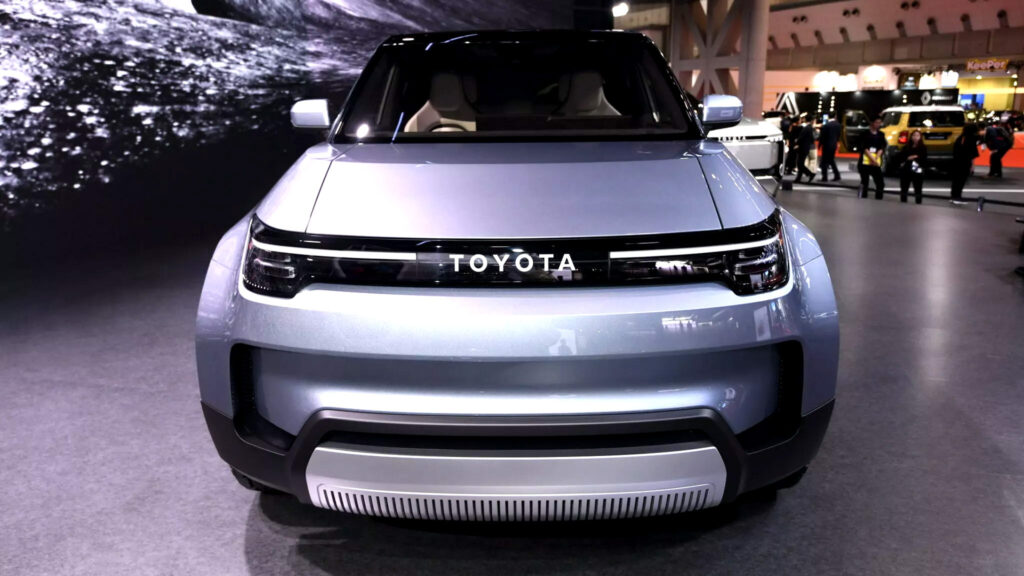
The decision made by President Donald Trump regarding the tariffs imposed on imported vehicles may have a significant impact on Toyota's affordable small pickup truck. The current tariffs of 25% on vehicles from Japan, where Toyota is based, could potentially lead to higher production costs for the company.
This increase in cost could be passed down to consumers, affecting the affordability of the vehicle. However, it is also possible that Trump's decision may not have a significant impact on Toyota's sales, as the company has already implemented measures to mitigate the effects of tariffs.
In fact, Toyota has been exploring alternative production options and sourcing materials from countries with lower tariffs to minimize its exposure to the current tariffs. The company's efforts to diversify its supply chain and reduce its reliance on Japanese parts may help it weather the storm of higher tariffs.
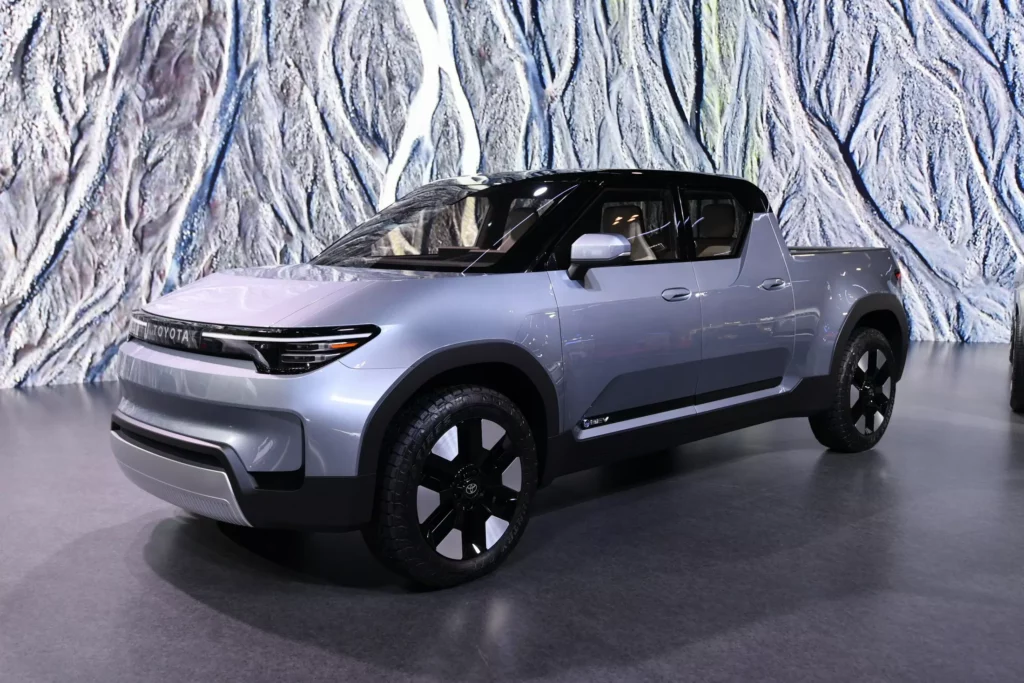
Furthermore, Toyota's commitment to offering affordable vehicles in the US market is likely to remain a key factor in its sales strategy, regardless of any changes in tariffs. With its reputation for building reliable and affordable vehicles, Toyota is well-positioned to continue attracting customers who are looking for a cost-effective option.
The company's focus on quality, durability, and value will likely help it maintain its market share, even if the tariffs imposed by Trump have a negative impact on some of its competitors. As the situation unfolds, it remains to be seen how Toyota's affordable small pickup truck will fare in the face of changing trade policies.
The automotive industry is highly sensitive to changes in global trade policies, and Toyota's decision to continue offering an affordable small pickup truck in the US market may be a strategic move to maintain its market share. By diversifying its supply chain and exploring alternative production options, Toyota can minimize its exposure to tariffs and ensure that it remains competitive in the market.