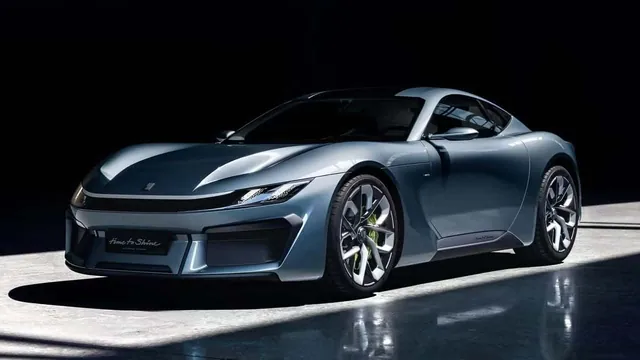

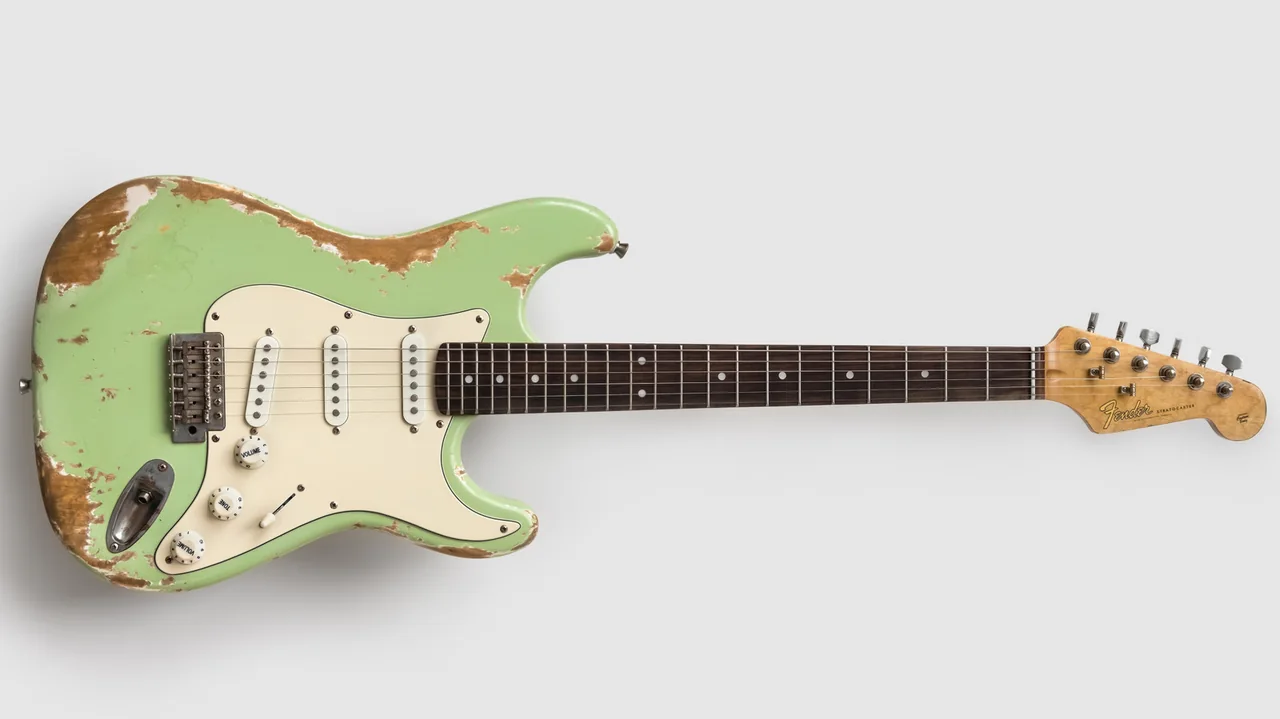
In the world of music, a new generation of fans is discovering the rich history behind their favorite guitar shades. The most popular car colors - white, gray, and black - may seem boring, but they inspired a rainbow of cool hues that adorned stages and showroom floors in the 1950s and 60s.
The post-World War II era saw a surge in creativity as Americans entered the Space Age. Detroit's auto industry rolled out new colors and paint finishes with industrial-sized chemistry sets, while companies like DuPont were busy creating unique shades.
Fender, the legendary guitar maker, tapped into this trend by using automotive paint for their instruments. The bolt-on neck design of Fender solid-body guitars revolutionized mass production, making it easier to create a wide range of colors.
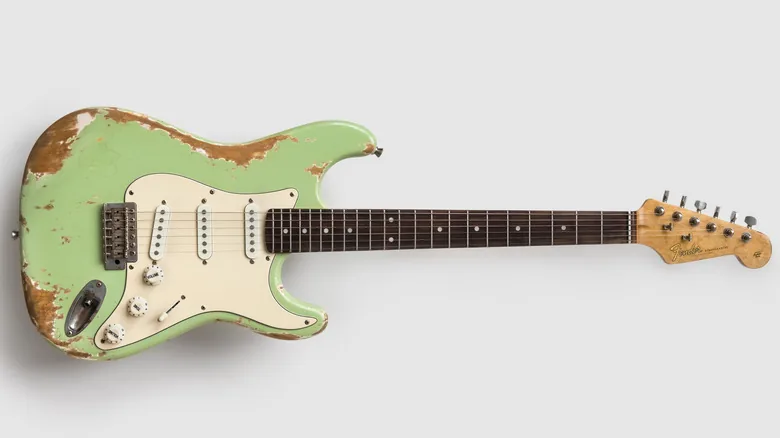
The result was a stunning array of cool color options that spanned everything from dull family sedans to luxury and sports cars. Guitar makers like Gibson and Gretsch took note of these trends and incorporated them into their designs.
Classic shades like Sea Foam Green, Cardinal Red, and Shell Pink became staples in the music world. These colors were originally inspired by car paint, but they have since become iconic in their own right.
Gibson's use of auto paint for its instruments is particularly noteworthy. The company borrowed Oldsmobile's Golden Mist Metallic and Bronze Mist Metallic for its legendary Les Paul Studio and Gibson SG Standard '61 models.
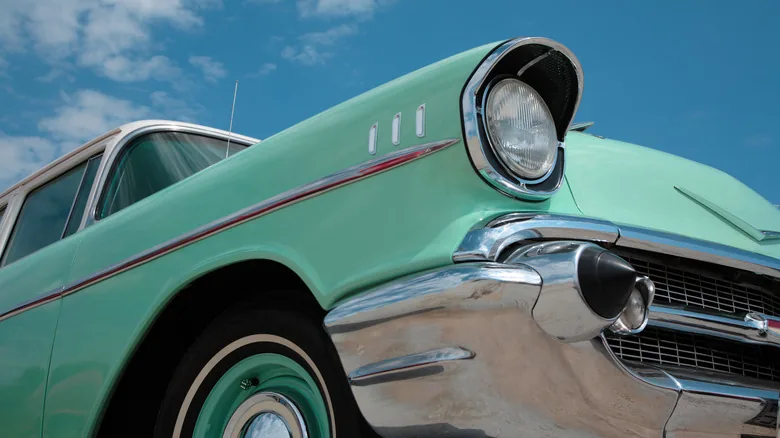
Fender, on the other hand, was all-in on the color spectrum. They grabbed Shell Pink from DeSoto, Burgundy Mist from Oldsmobile, and Fiesta Red from Ford, among other car-inspired hues.
The intersection of automotive and musical design has led to some fascinating color combinations. It's a testament to the creativity and innovation of companies like Fender and Gibson, who pushed the boundaries of what was possible with paint and instrument design.
Today, many classic guitar shades continue to inspire new generations of musicians and music fans alike.
The legacy of 1950s-60s car colors can be seen in modern instruments, from the Fender Stratocaster to the Gibson SG. These iconic designs are a reminder that sometimes, the most unexpected influences can lead to something truly remarkable.
The intersection of automotive and musical design has led to some fascinating color combinations.