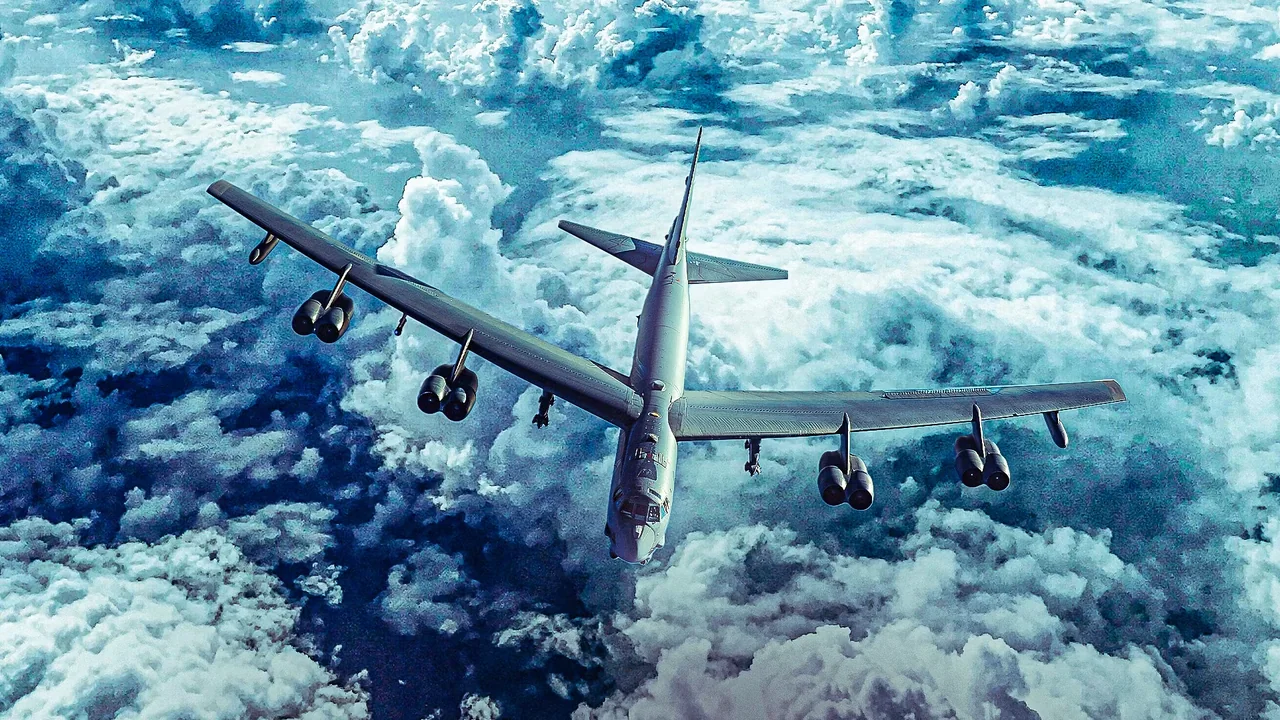
In recent footage, a Boeing B-52 Stratofortress was captured performing an aggressive maneuver while connected to a KC-135 Stratotanker. The visual spectacle has left many in awe, but the real story lies in the deliberate training of pilots.
The US Air Force has trained its pilots to execute this maneuver as part of a structured exercise, not as a stunt or combat tactic. This approach demands pilot confidence and a deep understanding of aircraft limits.
The 70-degree bank angle is far beyond standard operating procedures, with most aircraft typically banking between 25 to 35 degrees. At 60 degrees, the load factor increases significantly, pushing the wings to support twice the aircraft's weight at 3G.

The B-52's massive size and weight pose significant challenges, with some estimates suggesting it can weigh up to 488,000 pounds during takeoff. The aerodynamic demands of such a maneuver are substantial.
To execute this maneuver successfully, pilots must maintain precise control inputs while minimizing the risk of disconnection or damage from the tanker. This requires exceptional hand-eye coordination and situational awareness.
The KC-135's size and maneuverability also play a crucial role in maintaining contact with the B-52 during refueling. Despite its substantial length, the tanker must remain stable to avoid losing connection.

This training system is no longer as prevalent today, but it highlights the importance of pushing aircraft limits and testing pilot capabilities. The Whifferdill maneuver, while often misunderstood, serves as a testament to the crew's expertise and trust in their aircraft.
The B-52's capabilities are often underestimated, revealing a more complex aircraft that can handle far more than initially meets the eye. This training exercise underscores the value of structured flight training and the importance of understanding aircraft limitations.
The B-52's capabilities are often underestimated, revealing a more complex aircraft.