

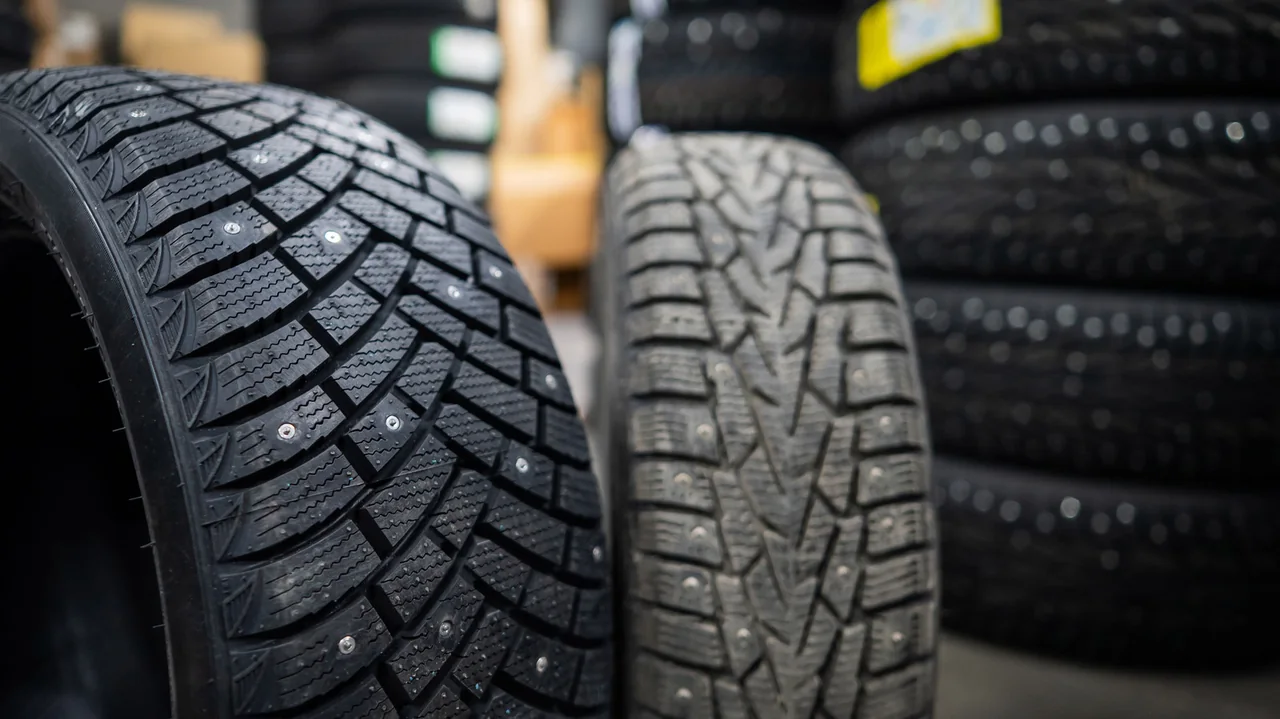
Aftermarket tires have become increasingly popular among car enthusiasts, with many manufacturers carefully selecting and co-engineering tires for specific vehicles. However, there is always room to optimize performance by upgrading to aftermarket tires. This can be particularly appealing to drivers who prioritize certain attributes over others, such as fuel economy, ride quality, or grip in various scenarios.
The relationship between OEM tires and aftermarket upgrades is complex, with manufacturers often prioritizing specific attributes over others. For instance, a factory-designed tire may excel in dry performance but compromise on wet weather capabilities. Conversely, an aftermarket tire can be tailored to prioritize the latter attribute, making it a better choice for drivers in rainy climates.
Take the BMW M3 G80-generation as an example, where Michelin's Pilot Sport 4S tires were specially engineered by BMW and Michelin to meet the high-performance sedan's demands. The result was a tire that delivered exceptional dry performance, with a two-second advantage over the standard PS4S in dry testing.
However, this compromise came at the cost of wet weather capabilities, which proved to be better suited for the standard PS4S. This highlights the importance of understanding the trade-offs involved when choosing between OEM and aftermarket tires.
In reality, drivers have the option to select from a wide range of aftermarket tires that cater to specific preferences or scenarios. Whether it's fuel economy, ride quality, or grip in various conditions, there is an aftermarket tire available to suit individual needs.
By upgrading to aftermarket tires, drivers can unlock improved performance and attributes that may not be available through OEM options. This can lead to enhanced driving experiences, particularly for enthusiasts who prioritize specific features over others.
The aftermarket tire market offers a diverse range of options, from high-performance compounds to specialized winter or off-road tires. As a result, drivers are no longer limited by the factory-designed attributes that may not meet their individual requirements.
For those seeking to optimize their driving experience, exploring aftermarket tire options can be an attractive choice. By doing so, they can tailor their vehicle's performance to suit their specific needs and preferences.
In conclusion, the relationship between OEM tires and aftermarket upgrades is complex, with manufacturers often prioritizing specific attributes over others. By understanding these trade-offs and selecting from a wide range of aftermarket options, drivers can unlock improved performance and attributes that may not be available through OEM choices.
The aftermarket offers a wide range of options for drivers seeking improved performance or specific features.