

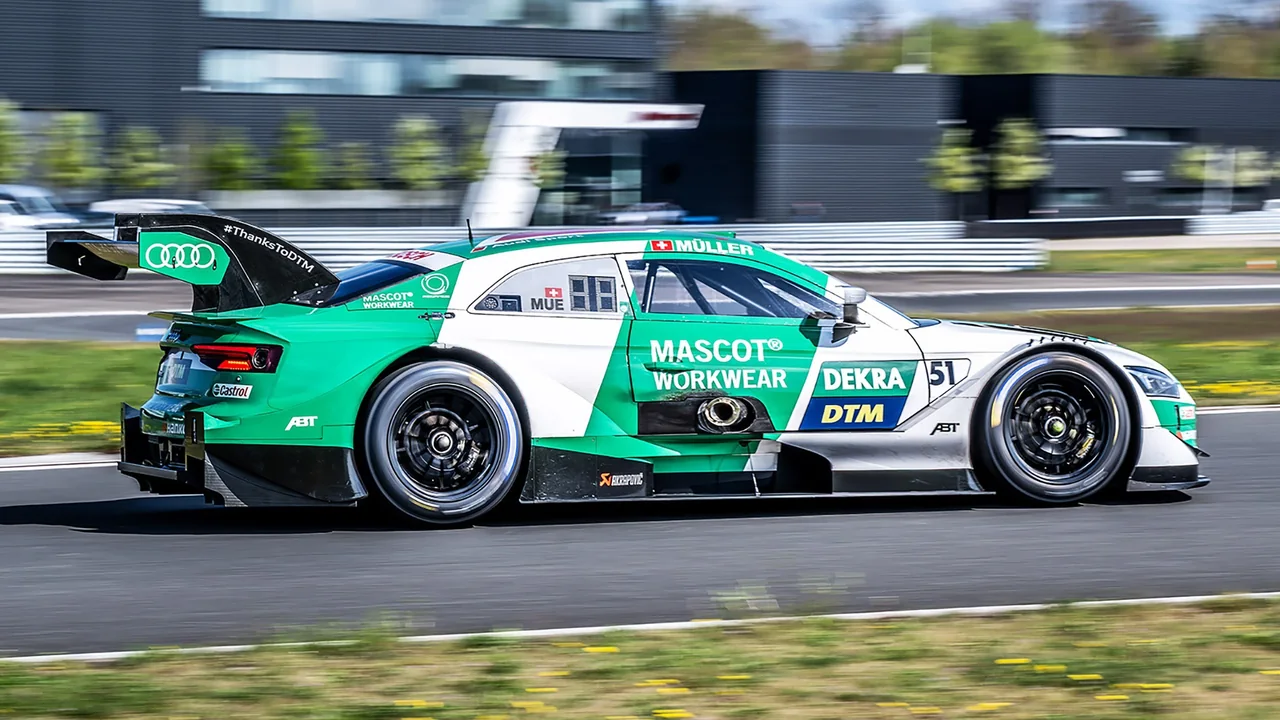
Audi Sport, the racing division of the renowned German automotive brand, is currently facing a significant challenge in meeting the growing demand for retired racers. The team's operations are being impacted by supply chain issues, which are making it difficult to secure the necessary personnel to compete at the highest level. As a result, Audi Sport is having to think outside the box to find alternative solutions to this problem.
The demand for retired drivers has exceeded supply, leading to a shortage of experienced racers who can provide the expertise and guidance required by the team. This shortage is not only affecting Audi Sport's operations but also impacting the overall performance of the racing team. The team's success relies heavily on the experience and knowledge of its drivers, making this shortage a critical issue that needs to be addressed urgently.
To mitigate the impact of this shortage, Audi Sport is exploring various options, including partnering with other racing teams or organizations to access their retired drivers. However, this approach also comes with its own set of challenges, such as navigating complex contractual agreements and ensuring that the team's values and culture are maintained.
The supply chain issues affecting Audi Sport are not unique to the team, however. The entire automotive industry is facing similar challenges in finding qualified personnel, particularly in the racing sector. This shortage has significant implications for the future of motorsports, highlighting the need for innovative solutions to address this issue.
Audi Sport's struggles with supply chain management serve as a reminder that even the most successful organizations are not immune to the challenges faced by the wider industry. The team's ability to adapt and find creative solutions will be crucial in overcoming these hurdles and maintaining its position at the top of the racing world.
The impact of this shortage on Audi Sport's operations is being felt across all aspects of the team, from driver development to car preparation. With experienced drivers in short supply, the team is having to rely on younger, less experienced personnel to fill key roles. While this approach may provide a long-term solution, it also carries significant risks if these drivers are unable to perform at the required level.
Audi Sport's success relies heavily on its ability to attract and retain top talent. The shortage of retired racers is not only affecting the team's performance but also impacting its reputation and competitiveness in the racing world. The team must act quickly to address this issue and find innovative solutions to overcome supply chain challenges.
The demand for retired drivers is expected to continue growing in the coming years, driven by the increasing popularity of motorsports and the rise of new technologies. As a result, Audi Sport and other racing teams will need to be proactive in addressing this shortage and finding creative solutions to overcome supply chain hurdles.
Audi Sport's struggles with supply chain management serve as a wake-up call for the entire automotive industry. The team's ability to adapt and innovate will be crucial in overcoming these challenges and maintaining its position at the top of the racing world.
Audi Sport must adapt to changing demand and find innovative solutions to overcome supply chain hurdles.