
Wheel ends are often overlooked in the quest for better fuel economy, but neglecting them can have significant consequences. Small increases in friction and heat inside the hub can slowly reduce miles per gallon (MPG) and drive-up operating costs. These issues are not always obvious, but they can be preventable by paying close attention to bearing adjustments, seal integrity, lubrication condition, and temperature.
In commercial trucking, factors like aerodynamics and driving habits are often highlighted as key contributors to fuel efficiency. However, small issues at the wheel end can quickly impact efficiency, making it essential for technicians to identify early warning signs and make routine maintenance decisions that will protect both performance and fuel efficiency.
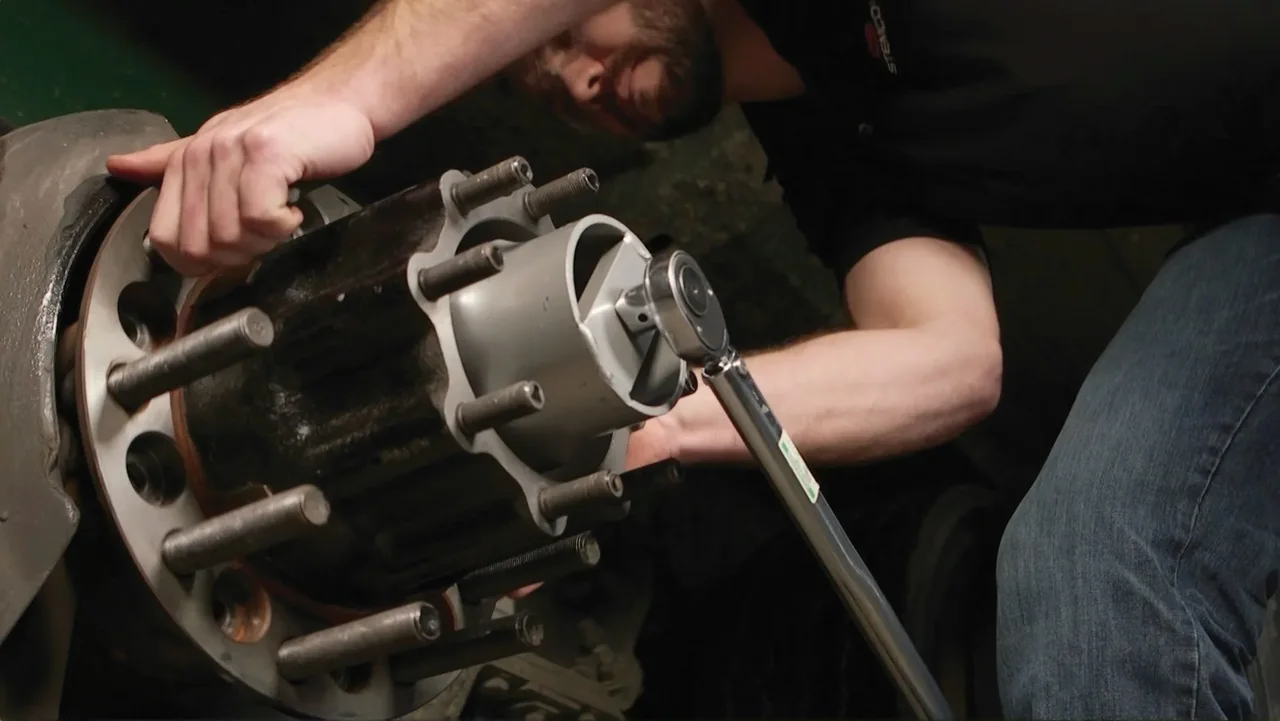
Proper bearing adjustment is critical in maintaining efficient wheel ends. When bearings are too loose or too tight, it creates internal resistance that generates heat and accelerates wear, reducing the system's ability to manage friction and further compounding the problem.
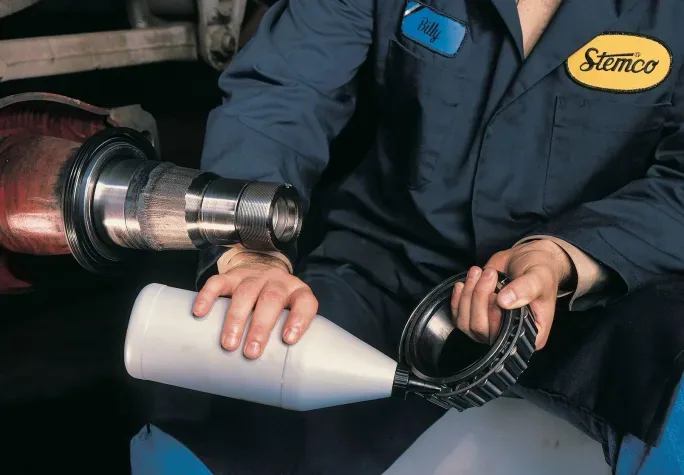
Seal failures and lubrication issues also play a significant role in reducing fuel efficiency. A compromised seal can allow lubricant to escape or contaminants to enter the system, both of which increase drag and reduce the system's ability to manage friction.
In real-world conditions, improper bearing adjustment is often identified through elevated hub temperatures, unusual noise, or visible lubricant leakage. Because bearing settings also influence how the seal operates, an out-of-spec adjustment can quickly lead to additional issues within the assembly.
Regular maintenance checks can help prevent costly repairs down the road. By paying attention to bearing adjustments, seal integrity, and lubrication condition, technicians can identify early warning signs and make routine maintenance decisions that will protect both performance and fuel efficiency.
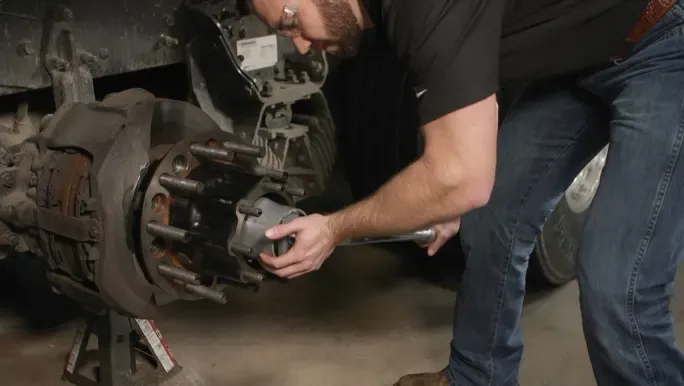
Ignoring wheel-end issues can lead to increased operating costs and reduced vehicle lifespan. In fact, small wheel-end issues can reduce fuel economy by up to 10%. By taking a proactive approach to wheel end maintenance, trucking companies can minimize these losses and maximize their fuel efficiency.
In conclusion, wheel ends are not just an afterthought in the quest for better fuel economy. They play a critical role in maintaining efficient wheel ends, which is essential for reducing fuel consumption and increasing overall vehicle performance.
Ignoring wheel-end issues can lead to increased operating costs and reduced vehicle lifespan.