
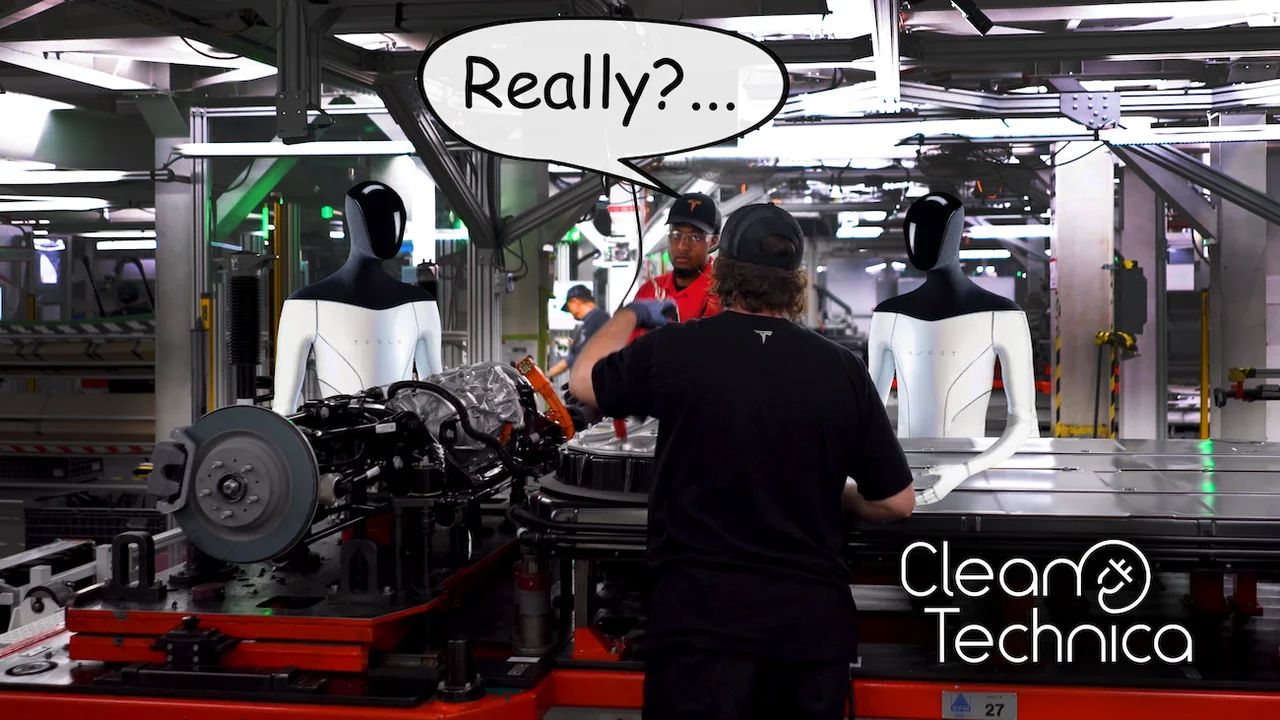
Elon Musk has made a bold statement during Tesla's latest quarterly conference call, claiming that the company's Optimus robot production line will go online this year and produce 1 million robots a year. This move is expected to replace the Model S and Model X production lines in Fremont, California.
The Optimus robot production line is a significant development for Tesla, as it marks a major shift towards autonomous manufacturing. However, the question remains whether this will be enough to address the company's financial challenges.
Musk has also made headlines recently for his comments on the US national debt and its potential solution through AI and robots. He claims that without these technologies, the country is headed towards bankruptcy.
The US national debt currently stands at $38.96 trillion, with an estimated growth rate of 2% per year. This has led to concerns about the sustainability of current spending habits.
Musk's assertion that robots will solve the US financial issues raises questions about the feasibility of relying on AI and automation to address complex economic problems.
The proposed solution also highlights the growing role of technology in shaping national policy. As governments increasingly rely on data-driven decision-making, it is essential to consider the potential consequences of such approaches.
Furthermore, Musk's comments have sparked debate about his own involvement with Republican politics. His efforts to support GOP candidates have been criticized for being self-serving and inconsistent with his stated values.
The US military spending has seen a significant increase under Donald Trump's proposed 2027 defense budget, which could add $5 trillion to the national debt by 2035. This highlights the need for more sustainable fiscal policies.
Ultimately, the success of Tesla's Optimus robot production line and its impact on addressing the US national debt will depend on various factors, including market demand, technological advancements, and government support.
The proposed solution raises concerns about the feasibility of relying on AI and robots to address complex economic problems.